“Rosa” search results (1733)

Panamanian Coffee Manor Rose Summer Coffee introduction Jade Manor boutique coffee bean producing area
Best Panama in 2003, Emerald Manor won the first place of the year by Rose Summer, and the strong and complex flavor surprised all the judges. Over the next decade, Rosa prevailed in all raw bean competitions, and coffee farmers in Central and South America flocked to grow Rosa in Costa Rica, Bolivia, Colombia and other countries. Although there is still a gap between the flavor and Panama.
2016-07-29 Panama Coffee Manor Rosa introduction Jade Fine goods Coffee beans producing areas 2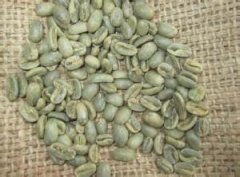
Introduction of Rosa coffee beans
Rosa is a very rare wild species that originated in Ethiopia.
2014-06-19 Coffee knowledge Rosa Coffee Coffee beans
Introduction to Coffee varieties-one: Rosa (English name: Geisha)
Rosa is a very rare wild species that originated in Ethiopia.
2014-08-21 Coffee knowledge Rosa coffee beans introduction of coffee varieties
Boutique coffee beans recommend Rosa coffee beans
Rosa originated from a very rare wild species in Ethiopia, and the beans may be named after this coffee bean found near the local village called Rosa. The coffee tree is tall, its leaves are slender, and it is not afraid of coffee rust. It is characterized by a wide gap between branches on the trunk. The appearance of raw beans is slender, and ripe beans have strong and rich fruit aromas. I personally feel full-bodied.
2014-10-28 Coffee knowledge boutique coffee beans rose summer coffee beans
Boutique Coffee Variety introduction Rosa (Geisha)
Rosa originated from a very rare wild species in Ethiopia, and the beans may be named after this coffee bean found near the local village called Rosa. The coffee tree is tall, its leaves are slender, and it is not afraid of coffee rust. It is characterized by a wide gap between branches on the trunk. The appearance of raw beans is slender, and ripe beans have strong and rich fruit aromas. I personally feel full-bodied.
2014-11-11 Coffee knowledge boutique coffee coffee varieties rose summer
Boutique coffee beans recommend Hawaiian Rosa coffee beans
Rosa originated from a very rare wild species in Ethiopia, and the beans may be named after this coffee bean found near the local village called Rosa. The coffee tree is tall, its leaves are slender, and it is not afraid of coffee rust. It is characterized by a wide gap between branches on the trunk. The appearance of raw beans is slender, and ripe beans have strong and rich fruit aromas. I personally feel full-bodied.
2014-12-15 Boutique Coffee beans recommended Hawaii Rose Summer originated in Ethiopia
Basic knowledge of boutique coffee beans Rosa coffee beans
Rosa originated from a very rare wild species in Ethiopia, and the beans may be named after this coffee bean found near the local village called Rosa. The coffee tree is tall, its leaves are slender, and it is not afraid of coffee rust. It is characterized by a wide gap between branches on the trunk. The appearance of raw beans is slender, and ripe beans have strong and rich fruit aromas. I personally feel full-bodied.
2015-01-17 Boutique coffee beans basics common sense rose summer originated from Ethiopia non-
Boutique coffee beans basic Rosa coffee beans
Rosa originated from a very rare wild species in Ethiopia, and the beans may be named after this coffee bean found near the local village called Rosa. The coffee tree is tall, its leaves are slender, and it is not afraid of coffee rust. It is characterized by a wide gap between branches on the trunk. The appearance of raw beans is slender, and ripe beans have strong and rich fruit aromas. I personally feel full-bodied.
2015-03-20 Boutique coffee beans foundation rose summer originated in Ethiopia very Jane
Introduction of Ethiopian boutique coffee Rosa coffee beans
Rosa originated from a very rare wild species in Ethiopia, and the beans may be named after this coffee bean found near the local village called Rosa. The coffee tree is tall, its leaves are slender, and it is not afraid of coffee rust. It is characterized by a wide gap between branches on the trunk. The appearance of raw beans is slender, and ripe beans have strong and rich fruit aromas. I personally feel full-bodied.
2015-11-29 Ethiopia boutique coffee rose summer coffee beans introduction originated from
The flavor and taste of Rosa coffee with bright aroma the characteristics of manor producing area introduce the fine coffee beans of Rosa coffee.
The rose variety has beautiful narrow leaves, fruits and raw beans are also slightly narrower than other Arabica coffee, sensitive to the growing environment, excellent flavor and less harvest when planted at high altitude. Until 2004 rose to fame, Rosa Coffee has been in a state of obscurity, the magical flavor of ta has not been discovered. In the experimental planting stage, the quality of the coffee produced is 1.
2016-08-06 Aroma bright rose summer coffee flavor taste manor producing area characteristics introduction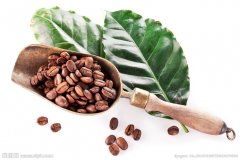
Rosa Geisha Cauca Valley Hope Manor, Cauca, Colombia
According to the Panamanian Emerald Manor website, rose summer coffee seeds were taken from Geisha Mountain (Mount Rosa) in southwestern Ethiopia in 1931, transplanted to Kenya in 1931 and 1932, replanted in Tanzania in 1936 and introduced to Costa Rica in 1953. It is not known when it will be introduced to Jaramillo Manor in Panama, except Panama.
2016-05-23 Rose Summer Geisha Colombia Cauca Valley Hope
Boutique coffee beans Panama Rosa Manor coffee beans
Looking forward to PerciN2 [Origin]: 90 + Panamanian Rose Summer Manor, [season]: 2013-2014 [Variety]: Rosa [Level]: 39 [altitude]: 1250m-1650m [treatment]: sun [flavor]: intense flavors of cherry, carob, vanilla, tropical fruit and mixed fruit juice. [packing specifications]: 30KG/ sacks (raw beans), 5kg/ cartons (raw beans)
2015-01-08 Boutique Coffee beans Panama Rosa Manor Prospect PerciN2 Origin
Introduction to the characteristics of Panamanian Rosa Coffee Flavor and Taste Manor
However, the results are different: depending on the weather, soil and altitude, the star variety seems to have different tastes in different geographical locations. However, in the Aktenango region, we see typical rosy summer features: the slender shape of beans, the changes during baking, and the elegant and uncooked flavor in the cup. The dry aroma of rose summer is very bright, with roses.
2016-07-26 Citrus fragrance Panama Rosa Coffee Flavor Taste Manor producing area characteristics
Introduction, taste, history and origin of Rosa Coffee
The species of Geisha was discovered in the Rose Summer Forest of Ethiopia in 1931 and sent to the Coffee Institute in Kenya; it was introduced to Uganda and Tanzania in 1936, in Costa Rica in 1953, and Panama was introduced in the 1970s by Francesca of Dongba Seven Farm Garden. Mr. Serraxin got the seeds from CATIE in Costa Rica and started growing Rosa Coffee because
2016-06-02 Rose summer coffee introduction taste history origin rose summer Geisha is in
The latest details of Panamanian Rosa Coffee the secret behind the delicacy
Today, the editor will introduce to you the history of Rosa coffee, the current market situation and price of Rosa coffee. I guess everyone would like to know the taste of Rosa coffee and so on. The editor learned that in the early years, the identification of top coffee mostly followed Japan, one king and one queen of coffee, the Blue Mountains of Jamaica and Kona of Hawaii, but with the continuous improvement of the level of coffee-producing countries.
2015-11-21 Panama Rose Summer Coffee latest details delicious behind Hidden Secret Today
Boutique Panamanian coffee beans Panama Rosa coffee beans and Guatemala Rosa coffee beans
The microclimate of the Panamanian highlands is the most important resource that makes Panamanian coffee unique. The most important resource that makes Panamanian coffee unique is its microclimate. The east-west environment of the Republic of Panama allows cold air to flow through the Central Mountains and converge above 6500 feet, creating a variety of microclimates in the Boquete and Volcn Candela regions.
2016-05-04 Boutique Panama coffee beans rose summer Guatemala highlands with small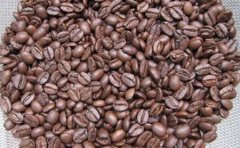
Brief introduction of Rosa Coffee beans Rose Summer Coffee Historical Origin Rose Coffee planting Rose
Rosa originated from a very rare wild species in Ethiopia, and the beans may be named after this coffee bean found near the local village called Rosa. The coffee tree is tall, its leaves are slender, and it is not afraid of coffee rust. It is characterized by a wide gap between branches on the trunk. The appearance of raw beans is slender, and ripe beans have strong and rich fruit aromas. I personally feel full-bodied.
2016-03-25 Rose summer coffee beans profile coffee flavor historical origin planting rose summer originated from
Panamanian Rosa Coffee Flavor and taste introduction to boutique coffee beans in manor area
The fragrance of flowers, tropical fruits, strong sweetness; these are the feelings that Rose Summer has always given us. Properly baked, they make you feel like sipping the fragrance of a bouquet of flowers. Maybe you don't know the story of Rosa, an ancient native species from Ethiopia that was brought into a coffee experimental garden in Costa Rica as a coffee sample.
2016-09-08 Panama Rose Summer Coffee Flavor Taste Manor producing area characteristics boutique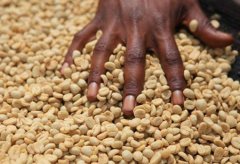
Introduction of high quality boutique coffee taste characteristics of Rosa coffee unique flavor of Rose summer coffee
Rosa originated from a very rare wild species in Ethiopia, and the beans may be named after this coffee bean found near the local village called Rosa. The coffee tree is tall, its leaves are slender, and it is not afraid of coffee rust. It is characterized by a wide gap between branches on the trunk. The appearance of raw beans is slender, and ripe beans have strong and rich fruit aromas. I personally feel full-bodied.
2016-03-29 Quality boutique coffee introduction rose summer taste characteristics unique flavor
Panamanian coffee bean Panama Rosa coffee bean Guatemala Rosa coffee bean coffee bean flavor
The species of Geisha, the editor of Rose Summer Coffee, was discovered in the Rose Summer Forest of Ethiopia in 1931 and sent to the Coffee Research Institute in Kenya; it was introduced to Uganda and Tanzania in 1936, in Costa Rica in 1953, and Panama was introduced by Franco Seven Farm Garden in Dongba in the 1970s. Mr. Serraxin got the seeds from CATIE in Costa Rica and began to plant them.
2016-03-15 Panama Coffee beans Rosa Guatemala Flavor Coffee Editor Ge