“Roasting terminology” search results (200)

The tasting language of coffee
Before you begin to understand the characteristics of coffee beans in different places, you must know the following taste words in order to know the characteristics and flavor of coffee beans in various producing areas. Body (consistency) has been translated as mellow, the correct taste should be to feel the coffee after the entrance of the thick, thick texture. The tactile impression and consistency of the tongue in terms of weight and quality are as light as water.
2014-08-25 Coffee knowledge coffee tasting language coffee terminology
Coffee bean grading
At present, there is no international standard for coffee bean quality classification, and the classification method varies from country to country, so coffee classification is carried out according to some characteristics applicable to each producing country. Take samples of coffee beans from a bag, judge them according to the standards of the producing country, grade the samples, and determine whether they are good or bad according to the evaluation.
2014-06-10 Coffee bean grading
How to grade coffee beans
At present, there is no international standard for coffee bean quality classification, and the classification method varies from country to country, so coffee classification is carried out according to some characteristics applicable to each producing country. Take samples of coffee beans from a bag, judge them according to the standards of the producing country, grade the samples, and determine whether they are good or bad according to the evaluation.
2014-08-09 Coffee knowledge coffee bean grading how to grade
Terms such as one explosion and two explosions in coffee deep roasting and shallow roasting
Abstract: deep roasting and shallow roasting are simple. Coffee beans are called deep roasting after entering the second explosion, and before the first explosion is dense to the second explosion, it is called light roasting to medium-deep roasting, and the color is closer to black with the deeper the roasting. Deep roasting and shallow roasting simply speaking, coffee beans will be called deep roasting after entering the second explosion, and will be called light roasting to medium-deep roasting before the first explosion to the second explosion, and the color will also follow.
2016-04-28 Coffee depth roasting shallowness medium first explosion second explosion terminology
High-quality coffee learns how to grade coffee beans
At present, there is no international standard for coffee bean quality classification, and the classification method varies from country to country, so coffee classification is carried out according to some characteristics applicable to each producing country. Take samples of coffee beans from a bag, judge them according to the standards of the producing country, grade the samples, and determine whether they are good or bad according to the evaluation.
2014-10-29 Coffee knowledge boutique coffee science how to grade coffee beans
Basic knowledge of boutique coffee how to grade coffee beans?
At present, there is no international standard for coffee bean quality classification, and the classification method varies from country to country, so coffee classification is carried out according to some characteristics applicable to each producing country. Take samples of coffee beans from a bag, judge them according to the standards of the producing country, grade the samples, and determine whether they are good or bad according to the evaluation.
2015-03-20 Boutique coffee basics common sense coffee beans how to grade
How to grade the basic coffee beans of fine coffee
At present, there is no international standard for coffee bean quality classification, and the classification method varies from country to country, so coffee classification is carried out according to some characteristics applicable to each producing country. Take samples of coffee beans from a bag, judge them according to the standards of the producing country, grade the samples, and determine whether they are good or bad according to the evaluation.
2015-01-17 Boutique coffee basic coffee beans how grading current quality points
Basic knowledge of boutique coffee how to grade coffee beans?
At present, there is no international standard for coffee bean quality classification, and the classification method varies from country to country, so coffee classification is carried out according to some characteristics applicable to each producing country. Take samples of coffee beans from a bag, judge them according to the standards of the producing country, grade the samples, and determine whether they are good or bad according to the evaluation.
2014-12-15 Boutique coffee basics common sense coffee beans how grading current products
Roasting coffee beans with technology-modified ruts
Although coffee drinking and growing methods developed dramatically in the seventeenth and eighteenth centuries, progress in roasting was very poor. The most common method of roasting at the time was to follow the Middle Eastern method of simple roasting: placing green coffee beans in an iron pan, then moving to a fire and roasting, stirring until the coffee beans were evenly mixed.
2015-04-13 technology improvement rutting roasting coffee beans though seventeenth eighteenth century coffee
How do you grade coffee beans? Basic knowledge of boutique coffee beans
At present, there is no international standard for coffee bean quality classification, and the classification method varies from country to country, so coffee classification is carried out according to some characteristics applicable to each producing country. Take samples of coffee beans from a bag, judge them according to the standards of the producing country, grade the samples, and determine whether they are good or bad according to the evaluation.
2015-05-09 Coffee beans how to grading boutique basics common sense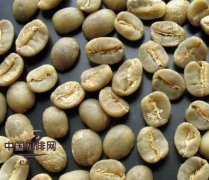
Boutique Coffee learn the basics of coffee how to grade coffee beans?
At present, there is no international standard for coffee bean quality classification, and the classification method varies from country to country, so coffee classification is carried out according to some characteristics applicable to each producing country. Take samples of coffee beans from a bag, judge them according to the standards of the producing country, grade the samples, and determine whether they are good or bad according to the evaluation.
2015-01-31 Boutique coffee basics coffee beans how grading current quality
Boutique Coffee Dictionary commonly used coffee terms about coffee utensils
* Propeller bean grinder: a bean grinder whose shape is similar to that of a propeller. * disk type bean grinder: a bean grinder whose knife is of flat plate type. * Cone bean grinder: a bean grinder with a tapered knife. * Bean storage tank: the space above the bean grinder to store coffee beans. * Bean trough: the place at the bottom of the bean grinder to receive the ground coffee powder, and the bean trough for business use is usually the dispenser.
2015-04-13 Boutique coffee dictionary common use terminology about appliance propeller type mill bean machine
Common tasting terms in coffee shops
Complexity (Complexity) texture, taste (Body, Mouthfeel) acidity (sour) bitterness (Bitter) sweetness (Sweet)
2014-05-16 Coffee commonly used terminology tasting
Introduction to Coffee Cup Test what do you need to prepare before the cup test?
Coffee cup testing is not only a professional skill, a profession, but also a pleasure, so we can do it at work, in class, in formal activities, at home, on leisurely occasions, or communicate with friends. During the cup test, the cup tester (cup tester, cup tester) should smell the dry aroma of the coffee, break the residue with the cup spoon, release the wet fragrance of the coffee in the cup, suck the coffee liquid, and let the coffee.
2015-11-02 Coffee cup introduction cup test need preparation what coffee cup both a special
Some common coffee terms
Flavor [Flavor]: the overall impression of aroma, acidity, and mellowness. Acidity [Acidity]: all coffee grown on the plateau has a strong acidity. The sour here is different from bitterness and Sour, and has nothing to do with pH. It refers to a fresh and lively quality that promotes coffee to exert its functions of invigorating the mind and clearing the taste. The acidity of coffee is not sour
2014-07-10 Coffee knowledge coffee terminology coffee encyclopedia
Related nouns of coffee
Flavor [Flavor]: the overall impression of aroma, acidity, and mellowness. Acidity [Acidity]: the strong acidity of all coffee grown on the plateau. The sour here is different from bitterness and Sour, and has nothing to do with pH value. It refers to a fresh and lively quality that promotes coffee to exert its functions of invigorating the mind and clearing the taste. The acidity of coffee
2014-06-05 Coffee knowledge coffee terminology coffee encyclopedia
Common coffee terms
About coffee beans: * Coffee cherry: the fruit of a coffee tree, named because its rind is bright red and its shape is very similar to cherries. * round beans: when the coffee fruit is growing, one of the two seeds develops very well, and the other seed is eaten so that the coffee bean that should be oval becomes round. * Elephant beans: bigger than ordinary coffee beans and usually taste
2014-08-18 Coffee knowledge coffee terminology coffee bean words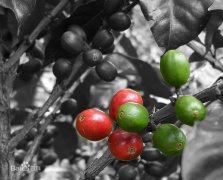
Various descriptions of coffee. Professional coffee terms.
Flavor [Flavor]: the overall impression of aroma, acidity, and mellowness. Acidity [Acidity]: the strong acidity of all coffee grown on the plateau. The sour here is different from bitterness and Sour, and has nothing to do with pH value. It refers to a fresh and lively quality that promotes coffee to exert its functions of invigorating the mind and clearing the taste. The acidity of coffee
2016-05-09 Coffee various predicate professional terminology
Interpretation of coffee industry terms
About coffee beans: * Coffee cherry: the fruit of a coffee tree, named because its rind is bright red and its shape is very similar to cherries. * round beans: when the coffee fruit is growing, one of the two seeds develops very well, and the other seed is eaten so that the coffee bean that should be oval becomes round. * Elephant beans: bigger and tastier than ordinary coffee beans
2014-05-12 Coffee knowledge coffee terminology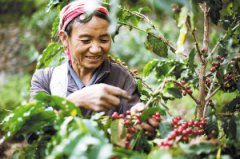
Yunnan Coffee and Chinese Coffee Market
Coffee trees need high altitude, tropical climate and fertile soil to grow the best coffee beans. Such climatic conditions on earth surround the equator, about between 25 degrees north latitude and 30 degrees south latitude. This zone, commonly known as the golden coffee belt, belongs to tropical and subtropical regions and is technically called coffee belt. When it comes to coffee in the world, let's talk about Chinese coffee first.
2016-06-07 Yunnan Coffee China Market need High altitude altitude Tropical Climate