“Roasting encyclopedia” search results (500)
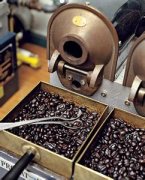
Unveil the mystery of coffee roasting
You may find it hard to imagine that there are 700 to 850 aromatic substances in a small coffee bean locked in the raw bean in the form of a password. But raw coffee beans can't be detected without roasting these fragrant pits, it's just a code. It can be seen that coffee roasting is of great significance to coffee.
2014-06-20 Coffee knowledge coffee roasting coffee encyclopedia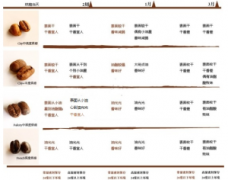
Is there any oil in the coffee?
Spring is warm and sunny, and the temperature here in Chongqing is getting higher and higher, so recently more friends have asked whether fresh beans should be dry on the surface, and those with glossy light must not be fresh, right?
2014-07-02 Coffee knowledge coffee oil coffee encyclopedia coffee common sense
Coffee knowledge: coffee roasting
Coffee roasting (coffee roasting) means that through heating raw beans, starch in raw beans is converted into sugars and acids at high temperature, substances such as cellulose will be carbonized to varying degrees, water and carbon dioxide will be volatilized, proteins will be converted into enzymes and fats, and the remaining substances will be combined to form an oil film on the surface of coffee beans, and in the process coffee acids will be formed.
2014-07-17 Coffee knowledge coffee roasting coffee encyclopedia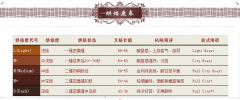
Coffee roasting training
When coffee beans grow on trees, they change from green to red. After harvest, they are selected, peeled, dried, and so on. What comes out is the so-called coffee beans. At this time, we call them raw beans, which are green.
2014-07-02 Coffee knowledge coffee roasting coffee encyclopedia coffee technology
SCAA's coffee roasting
American Coffee Association (SCAA) roasting standard this standard uses infrared caramelization tester technology (Agtron) to measure the color of coffee beans to determine the roasting degree of coffee, and the color is divided into eight equal parts into eight standard color blocks for coffee industry as roasting identification.
2014-08-20 Coffee knowledge coffee roasting roasting skills coffee encyclopedia
Green coffee
When it comes to Bordeaux in France, people may think more of the world-famous Bordeaux wine. But in fact, coffee, a commodity in world trade, has also been closely related to Bordeaux for many years. The first coffee shop in Europe appeared in the mid-17th century. With the development of coffee trade, two French ports, Le Havre and Bordeaux, have gradually become imports.
2014-08-07 Coffee knowledge Green Coffee Coffee Encyclopedia
The process of roasting coffee
1 is the state of raw coffee beans, 2 is that coffee beans are heated at the furnace temperature 3. As the temperature rises, the free water in coffee beans begins to evaporate, and the beans begin to change from green to yellow. At this stage, beans still have obvious grass flavor. 4 coffee beans are further dehydrated, from light yellow to color similar to longan. At this stage, the free water in coffee beans is further removed, and coffee beans gradually expand 5.
2014-07-03 Coffee knowledge coffee roasting coffee encyclopedia coffee common sense
Charcoal roasted coffee
Charcoal roasted coffee is a Japanese coffee, a taste of almost no acid, strong bitterness and mellow, the taste is relatively strong, the pursuit of roasting strong feeling.
2014-06-18 Coffee knowledge charcoal coffee Japanese coffee coffee encyclopedia
The color and smell of coffee represent the quality of coffee.
The color, aroma and taste of coffee are caused by some complex chemical changes that take place during the baking process.
2014-06-18 Coffee knowledge coffee quality coffee encyclopedia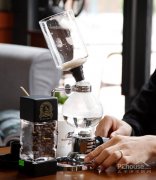
Boutique coffee roasting coffee master 6 steps to concoct handmade coffee
Home can also produce fragrant handmade coffee, Vietnamese coffee master, teach everyone to use siphon pot 6 steps to concoct mellow and natural handmade coffee. Are you tired of instant coffee? Fragrant handmade coffee can also be made in the home. PChouse specially invited coffee experts from Vietnam to teach you how to make handmade coffee in six steps, and then buy a set of siphon pots with exquisite coffee cups.
2014-11-25 Coffee knowledge coffee roasting coffee encyclopedia
The process of roasting coffee
Most people think that baking is nothing, just frying the raw beans with fire. In fact, in the process of coffee processing, roasting is the most difficult step, it is a kind of science, but also an art, so in Europe and the United States, experienced roasters enjoy a highly respected status. Baking can be divided into the following three stages
2014-07-15 Coffee knowledge coffee roasting coffee encyclopedia
The principle of fried coffee beans
The raw coffee beans are fried to make the coffee beans show a unique coffee color, aroma and taste. The most important thing of frying and baking is to be able to stir-fry the inside and outside of the beans evenly without overscorching. 80% of the taste of coffee depends on roasting, which is the most important and basic condition for making good coffee.
2014-08-09 Coffee knowledge fried coffee beans coffee encyclopedia
The way coffee is roasted
Due to different principles, the traditional roaster can be divided into two baking methods: hot air type (factory type more than 100 kg) and direct heating type-gas or charcoal (divided into large and medium-sized, small 1.5 kg, large 10 kg).
2014-07-07 Coffee knowledge coffee roasting coffee encyclopedia
Coffee knowledge stage and main uses of Coffee
Stir-fried coffee and raw beans are also called Roasting. Coffee according to roasting to remove moisture, the composition will also undergo chemical changes, resulting in volatile aroma, and become caramel color. As a result, the weight is reduced by 15% to 20%, and the capacity is increased by about 30%. The unique flavor of coffee-sour, bitter, sweet, astringent, mellow, etc., is produced by roasting. Usually the method of making coffee is traditional, according to
2014-09-28 Coffee knowledge coffee roasting coffee encyclopedia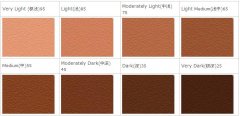
Baking degree resolution diagram
American Coffee Association (SCAA) roasting standard this standard uses infrared caramelization tester technology (Agtron) to measure the color of coffee beans to determine the roasting degree of coffee, and the color is divided into eight equal parts into eight standard color blocks for coffee industry as roasting identification.
2014-08-08 Coffee knowledge roasting degree resolution chart coffee encyclopedia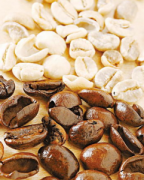
Introduction of defective beans in coffee roasting
Moldy beans: because of incomplete drying, or damp in the process of transportation and storage, cyan and white molds grow, which sometimes make the beans stick together. If these moldy beans are not removed, they will produce moldy smell. Dead beans: beans with abnormal results. The color is not easy to change because of baking, so it is easy to distinguish. The flavor is thin, as harmful as silver skin, and will become a peculiar smell.
2014-07-02 Coffee knowledge defective beans Coffee Encyclopedia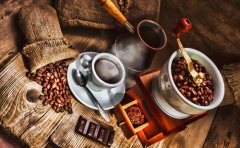
Processing of coffee beans
1. Peeling removes the peel and most of the flesh by mechanical or manual means. two。 Fermentation removes the mucus and film from the core by fermentation. as the length of fermentation time will affect the flavor of coffee, each manufacturer has its own fermentation time. 3. The drying method is mainly divided into natural sun drying and natural air drying. Excessive water content can easily lead to mildew and insect growth of raw coffee beans.
2014-07-08 Coffee knowledge coffee bean processing coffee encyclopedia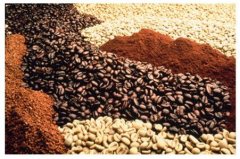
The method of roasting coffee beans with manual filter
First, prepare 100 grams of raw coffee beans, if there are broken coffee beans, remove them. Then put the raw coffee beans in the filter, close the lid, open the gas to medium fire, hold the filter about 20-30 centimeters above the gas, swing it in a round way, and bake patiently.
2014-07-18 Coffee knowledge manual strainer roasted coffee beans coffee encyclopedia
Introduction to eight varieties of coffee beans
1. Blue Mountain Coffee (BLUE MOUNTAIN) is a coffee bean produced in Blue Mountain of Jamaica at an altitude of more than 2500 feet. It is a kind of coffee with slight acid, softness, sweetness and delicate flavor. Pure Blue Mountain Coffee tastes and smells light, but it tastes very mellow and exquisite. It is rated as having noble taste and is the best coffee. Mocha Coffee (MOCHA) is currently produced in Yemen.
2014-06-25 Coffee knowledge coffee varieties coffee encyclopedia
The five flavors of coffee
The color, aroma and taste of sweet coffee are caused by some complex chemical changes that take place during the roasting process. Therefore, raw beans must go through appropriate chemical procedures to achieve the most balanced state of its essential ingredients in order to be regarded as the best baked beans. The aroma of coffee will change with the heat, so the baking time should be shortened as much as possible, and the coffee is hot.
2014-08-05 Coffee knowledge coffee taste coffee encyclopedia