“Reunion Island” search results (300)
Brazilian Queen's Manor Red and Yellow Bourbon Coffee beans Queen's Manor Coffee Flavor Story
Introduction of boutique coffee beans: Hirado varieties: yellow bourbon treatment: sun bourbon species, native to Bourbon Island in the Indian Ocean (now known as Reunion Island), is the second species of Typica mutation, and Ironka belong to the oldest existing coffee varieties, the green fruit will show bright red when ripe, while the yellow bourbon species is hybridized with other varieties. Because of its production
2016-10-24 Brazil Queen Manor Red and Yellow Bourbon Coffee beans Flavor characteristics Taste Grinding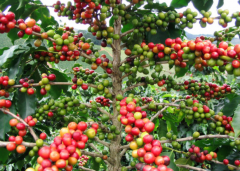
Madagascar Coffee Industry
Madagascar-An African island nation located in the southwestern Indian Ocean, it is the fourth largest island in the world. The strange baobab trees here have long been known to the world. Because Madagascar is made entirely of volcanic rocks, it has also become a paradise for coffee trees. Since 1970, coffee cultivation in Madagascar has remained at around 200,000 hectares with an average yield of 80,000 tons.
2016-05-25 motor gas coffee industry located indian ocean southwest non
Brazil Bourbon Santos Coffee BOURBON SANTOS
Brazil grows many kinds of coffee, and most of them are not of high quality, but there are some world-famous products, Brazil Bourbon Santos (BRAZIL BOURBON SANTOS) is one of them.
2014-07-03 Brazilian coffee beans Brazilian boutique coffee beans individual coffee beans
What is Kenya AA Kenya Coffee Overview Kenya Coffee Auction with Direct Trade Grown Ways
Although Kenya coffee history and coffee birthplace of Ethiopia adjacent, but coffee cultivation history is not long. Coffee is believed to have been brought to Kenya by Fathers of Holy Spirit congregation in the late 19th century, more commonly in 1893, probably from Reunion Island (Bourbon Island, Bourbon)
2016-03-31 What Kenya Coffee Overview Auction Direct Trade Planting Way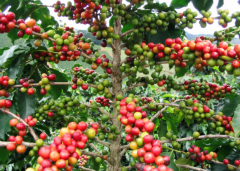
Coffee Industry Coffee Information in Madagascar
Madagascar, an African island country in the southwestern Indian Ocean, is the fourth largest island in the world. The peculiar baobab here has long been known to the world. Because Madagascar is made up entirely of volcanic rocks, it has also become a paradise for coffee trees. Since 1970, the planting area of Malagasy coffee has been maintained at about 200000 hectares, with an average yield of 80, 000 tons.
2016-05-19 Motor Garth Coffee Industry Information located in Indian Ocean southwest
Boutique Coffee introduction to 53 Coffee producing areas around the World
forty-four. In 1715, the first coffee trees (about 40) were transported from the Yemeni port of Moka to La Runion, but unfortunately only two survived. By 1719, coffee plantations had flourished and the first beans were sold. Over the next few years, the government took a hard measure: the islanders, black and white, had to plant 100 coffee trees a year.
2015-01-19 Boutique Coffee Global 53 Origin introduction 44 Reunion 171st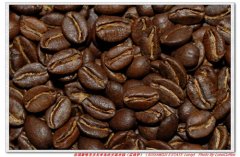
Rayloy Coffee beans from Kuanji Farm, New Caledonia, France
The annual output of this coffee is limited, it is very rare ~ it looks strange ~ the beans are very small ~ very lucky to taste this coffee ~ there is little Chinese information about this coffee ~ I don't know to what extent it is better to roast ~ in the end, it is not deep ~ about 1 minute after the explosion, it stops baking ~ although the beans are very small ~ when grinding beans with a hand grinder
2015-09-12 France New Kerry Niya Isoku Angie Farm Rayloy Roy Coffee beans
Brazil Santos Coffee
Although Brazil produces 30 to 35 percent of the world's coffee annually, ranking first in the world, no Brazilian bean is considered top-class coffee.
2014-06-18 Coffee knowledge Brazilian coffee Coffee green beans
Brazilian coffee raw beans
Although Brazil produces 30 to 35% of the world's coffee annually, ranking first in the world, none of the Brazilian beans can be called the top coffee. The mountains are covered with coffee trees in southern Brazil, but Santos is the only one that can be put on the table; most of the other hastily processed beans are used to make instant coffee and easy-to-open coffee. Growth of Santos coffee
2014-09-01 Coffee knowledge Brazilian coffee beans raw coffee beans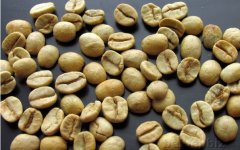
Introduction to Brazilian Santos Coffee Raw beans
Although Brazil produces 30 to 35% of the world's coffee annually, ranking first in the world, none of the Brazilian beans can be called the top coffee. The mountains are covered with coffee trees in southern Brazil, but Santos is the only one that can be put on the table; most of the other hastily processed beans are used to make instant coffee and easy-to-open coffee. Growth of Santos coffee
2014-11-11 Coffee knowledge boutique coffee beans Brazil Santos coffee raw beans
Boutique Brazilian coffee bean Brazil santos coffee gr
Although Brazil produces 30 to 35% of the world's coffee annually, ranking first in the world, none of the Brazilian beans can be called the top coffee. The mountains are covered with coffee trees in southern Brazil, but Santos is the only one that can be put on the table; most of the other hastily processed beans are used to make instant coffee and easy-to-open coffee. Growth of Santos coffee
2015-03-04 Boutique Brazil coffee beans santos coffee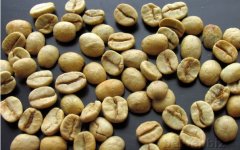
Brazil Santos Coffee Raw Bean Brazil Santos Coffee
Although Brazil produces 30 to 35% of the world's coffee annually, ranking first in the world, none of the Brazilian beans can be called the top coffee. The mountains are covered with coffee trees in southern Brazil, but Santos is the only one that can be put on the table; most of the other hastily processed beans are used to make instant coffee and easy-to-open coffee. Growth of Santos coffee
2015-07-01 Nishiyama toast coffee raw beans Brazil Santos Coff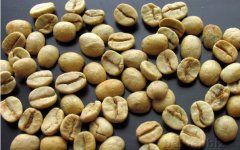
Brazil Santos Coffee Raw Bean Brazil Santos Coffee
Brazilian coffee raw bean Brazil santos coffee green bean although the annual output of Brazilian coffee reaches 30% to 35% of the world, ranking first in the world, none of the Brazilian beans can be called the top coffee. There are coffee trees all over the mountains, distributed in the south of Brazil, but Santos is the only one that can be put on the table; most of the other beans are handled hastily.
2015-09-12 Nishiyama toast coffee raw beans Brazil Santos Coff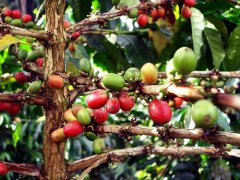
High quality Coffee Vera Plateau in Huilan, Colombia
Colombia's boutique bean producing areas are mainly in the south, more than 1500 meters above sea level, including San Augustin, Huila in Huilan province, Popayan, Cauca in Cauca province, Nari ñ o province, and Tolima province, all of which have delicate sour and raspberry aromas, caramel aromas and full sweetness. A wave native to the Indian Ocean.
2016-05-16 Quality coffee Colombia Huilan producing area Vera plateau boutique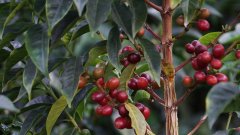
New Bean Vera Plateau Yellow bourbon High quality Coffee in Huilan, Colombia
Colombia's boutique bean producing areas are mainly in the south, more than 1500 meters above sea level, including San Augustin, Huila in Huilan province, Popayan, Cauca in Cauca province, Nari ñ o province, and Tolima province, all of which have delicate sour and raspberry aromas, caramel aromas and full sweetness. A wave native to the Indian Ocean.
2016-05-20 Colombia Huilan producing area New Bean Vera Plateau Yellow bourbon quality Coffee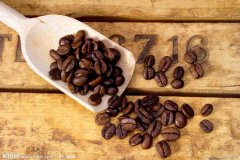
Basic knowledge of coffee beans Brazilian Santos coffee raw beans
Although Brazil produces 30 to 35% of the world's coffee annually, ranking first in the world, none of the Brazilian beans can be called the top coffee. The mountains are covered with coffee trees in southern Brazil, but Santos is the only one that can be put on the table; most of the other hastily processed beans are used to make instant coffee and easy-to-open coffee. Growth of Santos coffee
2015-05-29 Coffee beans basics common sense Xishan toast coffee raw beans though Brazil
Coffee beans Brazilian Santos Coffee Raw beans Brazil Santos Coffee
Although Brazil produces 30 to 35% of the world's coffee annually, ranking first in the world, none of the Brazilian beans can be called the top coffee. The mountains are covered with coffee trees in southern Brazil, but Santos is the only one that can be put on the table; most of the other hastily processed beans are used to make instant coffee and easy-to-open coffee. Growth of Santos coffee
2014-09-05 Coffee beans Brazilian Santos coffee raw beans Brazilian boutique coffee beans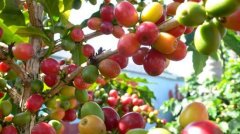
The flavor of Colombian coffee beans bourbon species Columbia
Colombian coffee has a balanced flavor and a smooth taste, just like a gentleman in coffee. He has a wide range of producing areas, such as Medellin, Armenia and Manizales, which are commonly referred to as MAM. Colombia's boutique bean producing areas are mainly in the south, with an elevation of more than 1500 meters, including those of Huilan Province.
2016-05-08 Columbia coffee beans flavor bourbon species coffee balance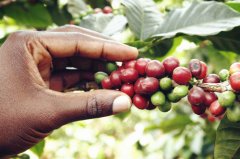
Yellow bourbon boutique coffee rich in sweet aroma of caramel from Vera plateau in Huilan, Colombia
Colombia's boutique bean producing areas are mainly in the south, more than 1500 meters above sea level, including San Augustin, Huila in Huilan province, Popayan, Cauca in Cauca province, Nari ñ o province, and Tolima province, all of which have delicate sour and raspberry aromas, caramel aromas and full sweetness. A wave native to the Indian Ocean.
2016-07-06 Huang bourbon boutique coffee Columbia Huilan producing area Vera plateau caramel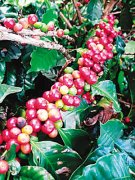
American Columbia Coffee Flavor from Vera Plateau in Huilan, Colombia
Colombia's boutique bean producing areas are mainly in the south, more than 1500 meters above sea level, including San Augustin, Huila in Huilan province, Popayan, Cauca in Cauca province, Nari ñ o province, and Tolima province, all of which have delicate sour and raspberry aromas, caramel aromas and full sweetness. A wave native to the Indian Ocean.
2016-07-07 Colombia Huilan producing area Vera Plateau America Coffee Flavor single Product Brother