“Race” search results (584)

How to make good coffee seven rules for making good coffee
● uses freshly roasted coffee beans, which can be stored for no longer than a week, preferably roasted half an hour ago, just like running a race requires a warm-up, and what you need is to be in a ready mood. Coffee beans, carefully baked, Napoli style, different temperature and humidity with different ovens, different stages with different temperatures; heat to
2015-01-31 Coffee how pull up seven rules use freshly roasted roasted coffee beans storage
Climatic characteristics of coffee producing areas in El Salvador
On the whole, Salvadoran coffee inherits the mild quality of Sino-American coffee, which is soft, slightly sour and has beautiful sweetness. At the same time, it also has its own characteristics: the aromatic taste is slightly sour and very soft; it is pure and has no miscellaneous flavor, and the taste balance is excellent; the smooth feeling like cream chocolate is impressive; the dense feeling of the coffee in the mouth gives the coffee depth.
2016-06-14 El Salvador coffee producing areas climate characteristics in general
Boutique coffee beans blue mountains Geisha rosy summer
It begins with a passage from teacher Han Huaizong's "Fine Coffee Studies": coffee varieties from Ethiopia and Yemen in the old world were transplanted to the Central and South American promised land in the new world, and took root, giving rise to many new varieties of mixed-race domestication. Among them, the most legendary color, the most beautiful taste spectrum, the cup test competition in the world won the most awards, the highest price, when the Panamanian green top pointed body Geisha; 2004
2015-01-13 Boutique coffee beans blue mountains Geisha Rosa Han Huaizong teacher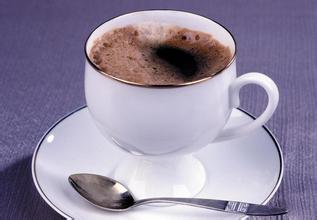
Introduction of Salvadoran coffee producing areas with a slightly sour aroma
Don't underestimate El Salvador's coffee production. In its heyday, it was once the fourth largest coffee producer in the world, but decades of civil war almost dragged down the coffee industry. fortunately, the war has stopped in recent years, and the coffee industry has come back to life. The only benefit that the civil war brought to the country of El Salvador was that the farmers left their fields barren and failed to catch up with the most popular Katimo sun-exposed cultivation train in the past two decades.
2016-06-24 Fragrant tasty sour El Salvador coffee producing area introduction underestimate Salva
Boutique Coffee beans Blue Mountains Geisha Rose Summer introduction
It begins with a passage from teacher Han Huaizong's "Fine Coffee Studies": coffee varieties from Ethiopia and Yemen in the old world were transplanted to the Central and South American promised land in the new world, and took root, giving rise to many new varieties of mixed-race domestication. Among them, the most legendary color, the most beautiful taste spectrum, the cup test competition in the world won the most awards, the highest price, when the Panamanian green top pointed body Geisha; 2004
2014-09-26 Coffee knowledge coffee beans rose summer blue mountains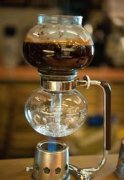
The common sense of fine coffee has come up with seven rules for good coffee.
● uses freshly roasted coffee beans, which can be stored for no longer than a week, preferably roasted half an hour ago, just like running a race requires a warm-up, and what you need is to be in a ready mood. Coffee beans, carefully baked, Napoli style, different temperature and humidity with different ovens, different stages with different temperatures; heat to
2015-05-08 Boutique coffee common sense pull up seven rules use freshly baked roasted coffee beans
Introduction to Mercedes Manor in El Salvador Coffee Manor
Savanna climate. The plain area belongs to the tropical rain forest climate and the mountain area belongs to the subtropical forest climate. The average annual temperature is 25-28 ℃. The annual precipitation is more than 1800 mm in mountain areas and about 1000 mm in coastal areas. The rainy season is from May to October. Don't underestimate El Salvador's coffee production. In its heyday, it was the world's fourth largest coffee producer, but decades of civil war almost dragged down coffee
2016-07-25 El Salvador Coffee Manor producing area Flavor palate characteristics introduction Mercer Germany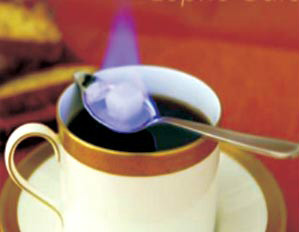
El Salvador boutique coffee producing area Sonsonate province IzaIco region Santa Ana volcano region library
El Salvador boutique coffee is concentrated in the volcanic rock producing areas of Santa Ana in the west and Charantanan fruit in the northwest. In recent years, the top 10 cup tests are almost entirely from these two producing areas, with an altitude of about 9-1500 meters, mainly bourbon (68%). Followed by Pacas (29%), mixed-race Pakamara, Dulaai and Kaddura accounted for only 3%. The coffee harvest season has been held since November.
2016-06-24 El Salvador boutique coffee producing area Sonsonate IzaIco
The common sense of fine coffee has come up with seven rules for good coffee.
● uses freshly roasted coffee beans, which can be stored for no longer than a week, preferably roasted half an hour ago, just like running a race requires a warm-up, and what you need is to be in a ready mood. Coffee beans, carefully baked, Napoli style, different temperature and humidity with different ovens, different stages with different temperatures; heat to
2014-12-15 Boutique coffee common sense pull up seven rules use freshly baked roasted coffee beans
Caffeine can improve the performance of athletes, but don't overdo it.
Italian driver VincenzoNibali won the race at the Tour de France, which ended on Sunday, after which the organizing committee tested VincenzoNibali for enhanced athletic drugs (stimulants). VincenzoNibali and his teammates can choose to drink a few cups of coffee or cans of Red Bull before the game, because caffeine is not violated by the World Anti-Doping Organization.
2015-09-11 Caffeine can improve athletes performance must do not excessive in the last week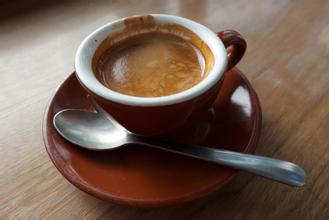
The difference of sun washing in the production process of coffee to coffee beans
Using freshly roasted coffee beans, store them for no more than a week, preferably roasted half an hour ago, just like you need to warm up in a race, you need to get into a relationship and be in a ready mood. Coffee beans, carefully baked, Napoli style, different temperature and humidity with different ovens, different stages with different temperatures; heat to
2016-06-07 Coffee coffee beans production process solarization washing differentiation use freshly baked roasted
Kalantan fruit volcanic rock producing area in the northwest of El Salvador coffee producing area
El Salvador boutique coffee is concentrated in the volcanic rock producing areas of Santa Ana in the west and Charantanan fruit in the northwest. In recent years, the top 10 cup tests are almost entirely from these two producing areas, with an altitude of about 9-1500 meters, mainly bourbon (68%). Followed by Pacas (29%), mixed-race Pakamara, Dulaai and Kaddura accounted for only 3%. The coffee harvest season has been held since November.
2016-06-28 El Salvador coffee producing areas northwest Charan Tannan volcanic rocks
The overall soft, slightly sour Salvador coffee estate introduction Renas estate
Savanna climate. Plain area belongs to tropical rain forest climate, mountain area belongs to subtropical forest climate. The annual average temperature is 25-28℃, the annual precipitation in mountainous areas is more than 1,800 mm, and that in coastal areas is about 1000 mm. May-October is the rainy season. Don't underestimate El Salvador's coffee production. In its heyday, it was the world's fourth-largest coffee producer, but decades of civil war nearly brought coffee down.
2016-07-19 whole soft slightly sour el coffee estate appellation presentation renas
An introduction to the Salvadoran Coffee producing area in the volcanic Rock producing area of Charantan, Northwest China
El Salvador boutique coffee is concentrated in the volcanic rock producing areas of Santa Ana in the west and Charantanan fruit in the northwest. In recent years, the top 10 cup tests are almost entirely from these two producing areas, with an altitude of about 9-1500 meters, mainly bourbon (68%). Followed by Pacas (29%), mixed-race Pakamara, Dulaai and Kaddura accounted for only 3%. The coffee harvest season has been held since November.
2016-06-27 Northwest Charan Tannan volcanic rocks producing areas El Salvador coffee introduction Thrall
Salvadoran coffee with a slightly sour taste Taste Manor Features Fine coffee Introduction
Salvadoran fine coffee is concentrated in Santa Ana in the west and Charantan Nango volcanic rock producing areas in the northwest. In recent years, almost all of the top 10 cup tests come from these two producing areas, with an altitude of about 900-1500 meters. Bourbon is the main one (accounting for 68%), followed by Pacas (accounting for 29%), and mixed Pacamara, Duraai and Cadura only account for 3%. Coffee harvest season lasts from November
2016-08-10 taste sour salvador coffee flavor palate estate region characteristics
El Salvador Coffee Estate Flavor Introduction El Salvador Coffee Features Mercedes Estate
Don't underestimate El Salvador's coffee production. In its heyday, it was the fourth largest coffee producer in the world, but decades of civil war almost brought down the coffee industry. Fortunately, the war stopped in recent years and the coffee industry recovered. The only benefit of the civil war for the Salvadoran nation was that farmers left their fields barren and failed to catch up with the most popular Cattimer train of the last two decades, thus preserving
2016-07-29 El Salvador Coffee Manor Region Flavor Taste Introduction Characteristics Messe De
Introduction of coffee from the Santa Ana volcano area of El Salvador with excellent thickness and grease.
El Salvador boutique coffee is concentrated in the volcanic rock producing areas of Santa Ana in the west and Charantanan fruit in the northwest. In recent years, the top 10 cup tests are almost entirely from these two producing areas, with an altitude of about 9-1500 meters, mainly bourbon (68%). Followed by Pacas (29%), mixed-race Pakamara, Dulaai and Kaddura accounted for only 3%. The coffee harvest season has been held since November.
2016-06-27 Thickness grease excellent El Salvador Anna volcano area coffee introduction sa
Introduction to the flavor and taste of Salvadoran coffee manor
Pacamara is the artificial breeding variety of Pacas and Maragogipe. It was first cultivated by researchers in El Salvador in 1958. Pacamara is an excellent variety under rare artificial breeding, which is better than blue, and perfectly inherits the advantages of the mother plant. It not only has the excellent taste of Pacas, but also inherits the large size of Maragogipe, and the bean body is at least like beans.
2016-07-26 El Salvador coffee manor producing area flavor taste introduction boutique coffee beans
Introduction to the flavor and taste characteristics of El Salvador Himalayan coffee manor
Savanna climate. The plain area belongs to the tropical rain forest climate and the mountain area belongs to the subtropical forest climate. The average annual temperature is 25-28 ℃. The annual precipitation is more than 1800 mm in mountain areas and about 1000 mm in coastal areas. The rainy season is from May to October. Don't underestimate El Salvador's coffee production. In its heyday, it was the world's fourth largest coffee producer, but decades of civil war almost dragged down coffee
2016-08-06 El Salvador Himalaya Coffee Manor producing area Flavor Taste characteristics introduction
An introduction to the Salvadoran Coffee producing area in the volcanic Rock producing area of Charantan, Northwest China
El Salvador boutique coffee is concentrated in the volcanic rock producing areas of Santa Ana in the west and Charantanan fruit in the northwest. In recent years, the top 10 cup tests are almost entirely from these two producing areas, with an altitude of about 9-1500 meters, mainly bourbon (68%). Followed by Pacas (29%), mixed-race Pakamara, Dulaai and Kaddura accounted for only 3%. The coffee harvest season has been held since November.
2016-06-29 Northwest Charan Tannan volcanic rocks producing areas El Salvador coffee introduction Thrall