“Pulp” search results (4221)

Brief introduction of Coffee Bean Raw Bean treatment
Washing method: 1, select beans: put the harvested fruit in a water tank and soak for about 24 hours. At this time, ripe fruit will sink, while immature and overripe fruit will float up and can be removed. 2. Remove the pulp: use a machine to remove the skin and pulp, leaving only the coffee beans wrapped in the endocarp. At this time, there is a layer of mucous membrane on the outside of the beans, and the process of washing is
2014-09-23 Coffee knowledge coffee bean treatment washing method
Coffee bean treatment method of washing, entry coffee must understand
What is the washing method? As a coffee consumer, whether we shop online or go to a coffee shop to buy freshly roasted coffee beans, there is always some information about this bean on the package: altitude, country of origin, producing area, some flavor labels, coffee beans and coffee treatment. As far as Leon is concerned, the last person I really know about the above information is the processing method.
2016-06-20 Coffee beans treatment way water washing introduction coffee must understand what is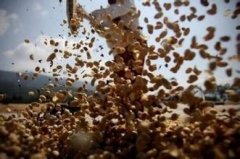
Green bean processing washing steps
Coffee beans are coffee beans have not been roasted before the state, coffee beans processing process is more troublesome, today we talk about how to wash coffee beans, that is, coffee beans processing washing beans this step.
2014-07-11 Coffee knowledge coffee beans washing steps
What does coffee fruit look like?
What we see every day is roasted coffee beans, and at most we have seen yellow-green coffee beans. That coffee bean is the most fruit. What is it like at first? What we usually see is a bit like cherries, so we sometimes call coffee cherries. Generally speaking, each coffee fruit contains two coffee beans. The beans are covered with pericarp, pulp and pectin.
2014-07-02 Coffee cherries coffee trees coffee beans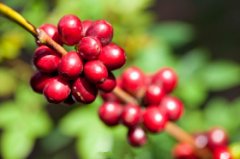
What does coffee fruit look like?
What we see every day is roasted coffee beans, and at most we have seen yellow-green coffee beans. That coffee bean is the most fruit. What is it like at first? What we usually see is a bit like cherries, so we sometimes call coffee cherries. Generally speaking, each coffee fruit contains two coffee beans. The beans are covered with pericarp, pulp and pectin.
2015-06-04 Coffee fruit exactly what is looks we everyday see all roast
Points for attention in Coffee planting
When the fruit of the coffee tree is picked, the four layers of skin wrapped around the coffee beans need to be removed in order to finally get the coffee beans needed. The main methods to remove the outer epidermis of coffee beans are "wet treatment" and "dry treatment".
2014-07-09 Coffee knowledge coffee tree planting planting matters coffee encyclopedia
How many ways do you handle coffee beans? Flavor stories and characteristics of coffee bean treatment
a. Washing type / non-washing type: in the sink, after rubbing with water and utensils, the pulp and gum are removed and dried, which is called washed coffee beans with uniform quality. Non-washing type: after the sun is naturally dried, the pulp and peel is removed by a sheller, and its quality is unstable. b. The fruit of flat bean / round bean coffee is made up of two oval seeds opposite each other. The connected side
2016-06-22 Coffee beans treatment methods introduction several kinds
What exactly does the coffee bean coffee fruit look like?
What we see every day are roasted coffee beans, at most we have seen yellow-green raw coffee beans, which is the most kind of fruit. What did it look like at first? What we usually see is a bit like cherries, so we sometimes call coffee fruits coffee cherries. Generally speaking, there are two coffee beans in each coffee fruit, which are covered with exocarp, pulp and pectin.
2014-09-25 Coffee bean coffee fruit
Coffee bean treatment method introduction what is coffee treatment method
After removing the pulp, the quality of coffee honey treatment was better than that of drying treatment, but not as good as washing treatment. This method of processing coffee beans by honey treatment has recently been sought after by coffee lovers. It has a sweet taste and is rich in Crema. It is suitable for extracting Espresso from the base of Italian coffee. The advantage is that it can restore the flavor of coffee beans, the coffee is more sweet, and the taste of red wine is stronger.
2016-07-25 Coffee beans processing methods introductions what coffee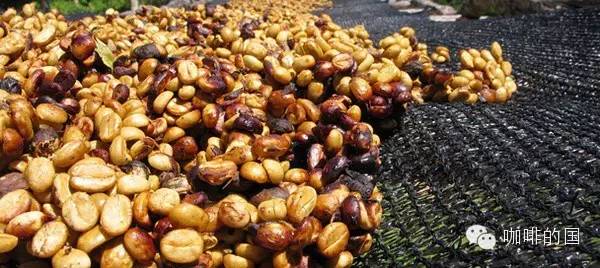
Coffee Network recommends Red Honey treatment of SHB Coffee cooked beans from Fire Phoenix Manor in the Valley of Central Costa Rica
Costa Rican coffee is produced in the Republic of Costa Rica (The Republic of Costa Rica) in the south of Central America. Its coffee quality is similar to that of Colombian coffee and is suitable for blending mixed coffee. The research center, located about 30 kilometers northeast of San Jose, the capital of Costa Rica, belongs to the Costa Rican Coffee Association and is a national coffee of Costa Rica.
2016-03-26 Coffee recommendation Costa Rica Central Valley Fire Phoenix Manor Red Honey treatment
Introduction to the treatment method of Solar Sidamo Coffee
1, choose beans: put the harvested fruit in a water tank and soak for about 24 hours. At this time, ripe fruit will sink, while immature and overripe fruit will float up and can be removed. 2. Remove the pulp: use a machine to remove the skin and pulp, leaving only the coffee beans wrapped in the endocarp. At this time, there is a layer of mucous membrane on the outside of the beans, and the process of washing is to wash this.
2016-08-01 Sun Dharma coffee treatment method introduction bean selection harvest fruit
What exactly does the coffee fruit look like?
What we see every day are roasted coffee beans, at most we have seen yellow-green raw coffee beans, which is the most kind of fruit. What did it look like at first? What we usually see is a bit like cherries, so we sometimes call coffee fruits coffee cherries. Generally speaking, there are two coffee beans in each coffee fruit, which are covered with exocarp, pulp and pectin.
2015-09-15 Coffee fruit what is it what it looks like what we every day what we see is roasting.
How much is Blue Mountain Coffee?
Edible Method: Chewing to extract its juice Origin: ArabicSpecies: Cuban Coffee, Brazilian Coffee Representative: Cat poop coffee Catalog 1 Overview 2 Specifications 3 Colors 4 Options 5 Tips for production 6 Benefits 8 Origin 9 Four famous beans 10 Categories 11 Species 12 Method of production 13 Country of origin and name Brazilian Blue Mountain Colombia Mantenin Kona Raw
2016-05-05 boutique coffee beans less money one jin introduction blue mountain coffee
Coffee common sense what does the fruit of coffee look like?
What we see every day are roasted coffee beans, at most we have seen yellow-green raw coffee beans, which is the most kind of fruit. What did it look like at first? What we usually see is a bit like cherries, so we sometimes call coffee fruits coffee cherries. Generally speaking, there are two coffee beans in each coffee fruit, which are covered with exocarp, pulp and pectin.
2014-11-12 Coffee knowledge coffee common sense coffee fruit
Description of Flavor of Coffee washing method introduction of Grinding scale Sun Honey
Coffee treatment method 1, select beans: put the harvested fruit in the water tank, the ripe fruit will sink, while the unripe and overripe fruit will float up and can be removed. 2, drying: put the selected ripe fruit in the square for 5-6 days until it is fully dry. At this time, the fruit becomes dark brown with a moisture content of 13% 3 and shelling: the peel changes after drying.
2016-10-20 Coffee washing treatment flavor description grinding scale sun red honey introduction
The mode of production of coffee and the treatment of raw beans introduce what is mixed coffee.
Production method Editor Ruwak Coffee beans [the most famous coffee beans in history come from coffee beans left in the feces of cats after eating coffee beans] Musk Coffee (Kopi Luwak), Kopi (Indonesian, coffee), Luwak refers to an arboreal wild animal commonly known as the civet in Indonesia, which looks similar to masked palm civet in southern China. Produced in Sumanda
2016-06-28 Coffee mode of production raw beans treatment method introduction what mixing
What is the process of processing coffee fruit into coffee beans
1, choose beans: put the harvested fruit in a water tank and soak for about 24 hours. At this time, ripe fruit will sink, while immature and overripe fruit will float up and can be removed. 2. Remove the pulp: use a machine to remove the skin and pulp, leaving only the coffee beans wrapped in the endocarp. At this time, there is a layer of mucous membrane on the outside of the beans, and the process of washing is to wash this.
2016-06-07 Coffee fruit processing coffee beans need what process bean selection harvest
Characteristics of quality, taste and flavor description of half-sun red bourbon El Salvador Himalayan coffee
The coffee fields of El Salvador Himalayan coffee beans are endless and are mostly harvested mechanically in order to achieve economic benefits. When 75% of the coffee fruit in the coffee garden turns red, mechanical harvesting is started, followed by the same pre-washing operation, which is moved into the sink to remove floating beans, sift out the sunken beans, and then use a large pulp screening machine to dig out the pulp and remove the pods covered with pectin. The next stage is related to
2016-10-20 Sun Red Wave El Salvador Himalaya Coffee quality Taste Flavor description
Introduction to the flavor and taste of Costa Rican Coffee Manor
Other coffees worth mentioning are JuanVinas,PR, H.Tournon, Windmill,SHB, Montebello and SsntaRosa. Fine coffee is generally grown in Geredia and the central canyon. Another eye-catching coffee is Sarchi coffee (sa).
2016-08-05 Costa Rica Coffee Manor producing area Flavor palate characteristics introduction Roman
Introduction to the flavor and taste of Costa Rican Coffee Manor
Other coffees worth mentioning are JuanVinas,PR, H.Tournon, Windmill,SHB, Montebello and SsntaRosa. Fine coffee is generally grown in Geredia and the central canyon. Another eye-catching coffee is Sarchi coffee (sa).
2016-08-05 Costa Rica Coffee Manor producing area Flavor palate characteristics introduction Roman