“Produce” search results (14824)
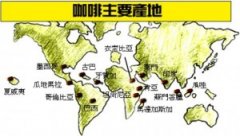
Coffee output ranks fourth in the world. Central America and Mexico produce boutique coffee beans.
A brief introduction to Mexican Coffee Mexico is close to the United States in the north. Due to geographical and climatic reasons, its coffee growing area is close to Guatemala, the production classification belongs to the Central American type, and its coffee output ranks fourth in the world. Brother Mo, about 70% of his coffee is exported directly to the United States, which is washed and divided into three grades according to their height. Generally speaking, the evaluation of Mexican coffee is moderate.
2014-07-22 Mexican coffee beans Central American boutique coffee beans boutique single coffee beans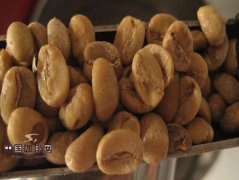
Chemical reflection of coffee in roasting knowledge of roasting coffee beans
Coffee has a rich, wide range of flavors. Coffee produced in different regions, different elevations, different climates and different producing areas has its own unique characteristics. Raw beans are fragrant and have no usual coffee taste at all; the taste of coffee comes from proper roasting. Show fruity (light roasting) or caramel sweetness (deep roasting). The lighter the baking, the more sour it tastes. Baking.
2015-01-28 Coffee roasting medium chemistry reflection coffee beans knowledge coffee possession rich
Introduction to Brazilian Coffee in the World Coffee producing area
The taste of Brazilian coffee has a low sour taste, with the sweet and bitter taste of coffee, the entrance is very smooth, but also with a hint of grass aroma, slightly bitter in the fragrance, smooth and smooth, with a pleasant aftertaste. Brazilian coffee generally refers to coffee produced in Brazil. There are many kinds of Brazilian coffee, most of which are unwashed and sun-dried, according to the name of the state of origin.
2014-10-18 Coffee knowledge coffee origin Brazilian coffee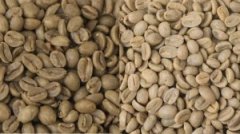
Behind the origin of the sour taste of coffee and the sour taste of coffee is a very complicated problem.
Raw coffee beans contain sour ingredients such as citric acid, malic acid, quinic acid and phosphoric acid, but these are not the main sources of sour taste when drinking coffee. The acid produced during baking is the main source of sour taste. Raw beans produce a series of chemical reactions during baking to form new acids. The most important thing is that chlorogenic acid is decomposed to form quinic acid and oligosaccharides.
2015-09-02 Coffee sour taste origin formation behind a very complicated problem coffee raw beans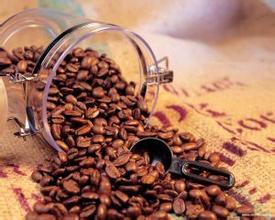
Latest introduction and details of boutique coffee Brazilian coffee beans
Brazilian coffee generally refers to coffee produced in Brazil. There is a wide variety of Brazilian coffee, the vast majority of which are unwashed and sun-dried, classified according to the name of the state of origin and the port of transport. Brazil has 21 states and 17 states produce coffee, but four of them produce the largest, accounting for 98% of the country's total output. Brazilian coffee has a low sour taste, which goes well with coffee.
2015-11-27 Boutique coffee Brazil coffee beans latest introduction details general reference
Rich taste Dominican coffee bean flavor characteristics Introduction
Dominican coffee is grown in upland and lowlands and tastes slightly different. Highland plants are sour, but rich in taste; lowland plants are less sour and smoother in taste. In recent years, specialty coffee has become popular. Some Dominican estates produce high-quality coffee beans with rich aroma and rich taste, with a moderately bright acidity. They have been compared with the more famous Puerto Rico beans or teeth.
2016-07-22 taste thick dominican coffee beans flavor characteristics presentation coffee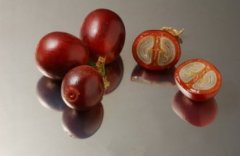
Coffee basic knowledge choose your own cup of coffee
Coffee gives people the first impression of a refreshing drink. If you are used to drinking fancy coffee in coffee chains, have you ever thought of looking for a cup of coffee that suits you? As a matter of fact, individual coffee is not as bitter as we think. Different places of origin and depth of roasting can produce coffee with different tastes. After tasting carefully, you will find that the aroma, acidity,
2015-04-30 Coffee basics common sense choice belong to own a cup of coffee give people first
Introduction of Brazilian Coffee Bean Shantos Flavor description method with excellent sweetness
There are many kinds of Brazilian coffee beans, which are mainly treated by solarization, which are classified according to the name of the country of origin and the port of transport. Brazil has 27 states and 17 states produce coffee, but four of them produce the largest, accounting for 98% of the country's total output. Due to the scattered origin and uneven quality, the classification standard is not unified: NO.2~NO.8 according to the amount of sundries
2016-10-20 Sex Brazil Coffee Pea Mountain toast Flavor description handling Taste characteristics products
The basic knowledge of Brazilian Coffee beans Information on the producing countries of fine coffee beans
Brazil is vividly compared to the giant and monarch of the coffee world. There are about 3.97 billion coffee trees there, and small farmers now grow 75% of Brazil's total coffee production. The number of coffee producers in Brazil is twice or even three times that of Colombia, the second largest coffee producer in the world. Brazilian coffee generally refers to coffee produced in Brazil. Types of Brazilian coffee
2015-10-14 Brazil coffee beans basics common sense boutique country of production information image local comparison
Caping Blanco boutique coffee beans Brazilian coffee the latest coffee introduction
Brazilian coffee generally refers to coffee produced in Brazil. There is a wide variety of Brazilian coffee, the vast majority of which are unwashed and sun-dried, classified according to the name of the state of origin and the port of transport. Brazil has 21 states and 17 states produce coffee, but four of them produce the largest, accounting for 98% of the country's total output. Brazilian coffee has a low sour taste, which goes well with coffee.
2016-01-04 Caping Bran boutique coffee beans Brazil coffee latest introduction
How to find a cup of coffee that suits you
Coffee gives people the first impression of a refreshing drink. If you are used to drinking fancy coffee in coffee chains, have you ever thought of looking for a cup of coffee that suits you? As a matter of fact, individual coffee is not as bitter as we think. Different places of origin and depth of roasting can produce coffee with different tastes. After tasting carefully, you will find that the aroma, acidity,
2015-03-11 How to find a cup fit own single product coffee give people first
Santo Domingo Coffee Flavor Manor Features Dominican Coffee Bean
Dominican coffee is grown in upland and lowlands and tastes slightly different. Highland plants are sour, but rich in taste; lowland plants are less sour and smoother in taste. In recent years, specialty coffee has become popular. Some Dominican estates produce high-quality coffee beans with rich aroma and rich taste, with a moderately bright acidity. They have been compared with the more famous Puerto Rico beans or teeth.
2016-07-26 Taste Thick Santo Mingo Coffee Flavor Manor Region Characteristics Introduction
Coffee beans grow in countries that produce coffee beans at the center of the equator.
Coffee beans grow in tropical or subtropical agricultural gardens centered around the equator called coffee belts and travel to Japan with ships. When the brown coffee beans appear in front of your eyes, they have actually gone through a variety of different circulation processes and the hands of many people. Coffee is widely distributed in South America, Central America, the West Indies, Asia, Africa, Arabia,
2015-09-23 Coffee beans longer than equator center producing country coffee beans for medium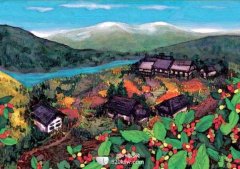
The origin of coffee beans introduces the common sense of Brazilian coffee beans
Brazilian coffee generally refers to coffee produced in Brazil. There is a wide variety of Brazilian coffee, the vast majority of which are unwashed and sun-dried, classified according to the name of the state of origin and the port of transport. Brazil has 21 states and 17 states produce coffee, but four of them produce the largest, accounting for 98% of the country's total output. Brazilian coffee has a low sour taste, which goes well with coffee.
2015-01-08 Coffee beans origin introduction Brazil common sense coffee generally refers to produced species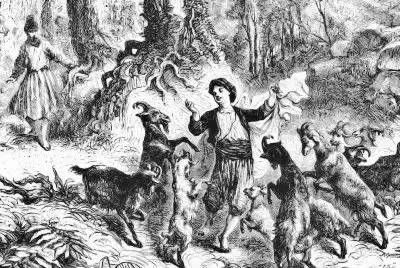
You may not know about coffee.
On a sunny afternoon, will you often have a strong cup of coffee on hand? You may have taken this as a habit that is hard to give up. But as one of the most popular drinks on the planet, your knowledge of coffee may not be as thorough as you might think. For example, how was coffee first discovered? How much water does it take to produce a pound of coffee beans? And whether Kopi Luwak is
2015-11-04 About coffee these not necessarily know sunshine overflowing afternoon yours at hand
Looking for a cup of coffee that suits you.
Coffee gives people the first impression of a refreshing drink. If you are used to drinking fancy coffee in coffee chains, have you ever thought of looking for a cup of coffee that suits you? As a matter of fact, individual coffee is not as bitter as we think. Different places of origin and depth of roasting can produce coffee with different tastes. After tasting carefully, you will find that the aroma, acidity and bitterness of individual coffee from different production processes
2014-08-05 Single product coffee looking for a cup suitable own for people first like
Basic knowledge of Coffee beans Chemical reaction of Coffee in Baking
Coffee has a rich, wide range of flavors. Coffee produced in different regions, different elevations, different climates and different producing areas has its own unique characteristics. Raw beans are fragrant and have no usual coffee taste at all; the taste of coffee comes from proper roasting. Show fruity (light roasting) or caramel sweetness (deep roasting). The lighter the baking, the more sour it tastes. Baking.
2015-06-08 Coffee beans basics common sense coffee roasting medium chemistry reflection ownership
Introduction to Peruvian Coffee Bean Flavor and Taste Peruvian Organic Coffee Fine Coffee beans
Peruvian coffee beans are best known for their coffee beans from Chimacha Mayou in the middle and Cusco in the south. In addition, some areas in northern Peru also produce characteristic organic coffee. Organic coffee is made of beans grown in the shade of trees. Although the yield of coffee beans is not high because of the method of planting in the shade, its quality can reach the level of gourmet coffee. This is due to
2016-07-27 Peru coffee beans flavor taste introduction coffee producing areas organic boutique
Roasting determines the taste of coffee
Generally speaking, each coffee cherry contains two raw beans, and the fragrance is still hidden, waiting to be discovered. In raw beans, it contains a lot of chloric acid. As the baking process, chloric acid will gradually disappear, releasing familiar and pleasant fruit acid-such as acetic acid, citric acid, malic acid in wine. Baking is just right, it can present these beautiful sour taste moderately; on the contrary,
2014-07-04 Roasting determines the taste of coffee and roasting of coffee beans
Boutique coffee beans-details of Brazilian coffee beans take you into the mysterious world of coffee
Brazilian coffee generally refers to coffee produced in Brazil. There is a wide variety of Brazilian coffee, the vast majority of which are unwashed and sun-dried, classified according to the name of the state of origin and the port of transport. Brazil has 21 states and 17 states produce coffee, but four of them produce the largest, accounting for 98% of the country's total output. Brazilian coffee has a low sour taste, which goes well with coffee.
2015-11-30 Boutique coffee beans Brazil details introduction take you walk into coffee mystery world