“Processing Station” search results (500)

Costa Rican goddess manor geisha fine coffee beans in the mountains of central Costa Rica
Origin: Dota,Tarrazu,Costa Rica bean seed: Geisha processing plant: El Diosa altitude: 1850m treatment: Washed picking processing time: 04max 2014 baking degree: Light Green Apple fragrance, Sugarcane Sweet Goddess Manor is located in the Dota region of Costa Rica's most famous tarrazu region, famous for producing micro-batch sub-geisha / Rosa varieties. In 1865,
2016-06-14 Costa Rica goddess manor geisha central mountain boutique coffee beans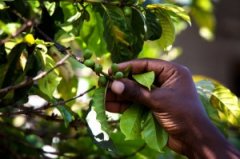
High-quality coffee beans from Africa and Rwanda in the world.
Rwanda Coffee Global Coffee producer-since the 1920s in Rwanda, Arabica coffee grown in Rwanda (Rwanda) has been famous for its unique fruit sweetness and strong grass aroma. In recent years, the Rwandan government has taken positive measures to vigorously promote coffee production, set up coffee production cooperatives in various places, and give technical guidance and financial support to farmers.
2014-07-22 Coffee producing area Rwanda boutique coffee beans African boutique coffee beans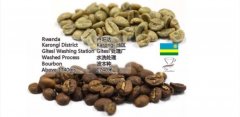
Rwanda boutique coffee roasting training
It is believed that many people may not be familiar with Rwandan coffee, and what is most known about Rwanda may be the organized genocide of Tutsi and moderate Hutu ethnic groups in the country in 1993, during which 1 million local Tutsi people died.
2014-05-21 Coffee knowledge boutique coffee coffee roasting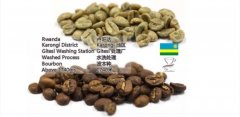
Rwanda coffee Karnogi boutique coffee
Rwanda is a small African country, and the local people are relatively poor, but it produces straight and very good coffee. Unlike its neighbors Kenya and Ethiopia, Rwanda's coffee is mainly round bourbon. The taste is not as prominent as Ethiopia and Kenya, but the evenness is excellent.
2014-07-02 Coffee knowledge Rwandan coffee boutique coffee coffee beans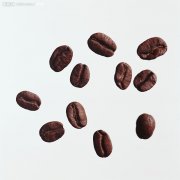
What are defective beans? how to calculate defective beans?
High-quality coffee beans are refined by water treatment. The coffee beans with less impurities can be obtained by the water washing method, but if the water quality and time are not properly controlled during the fermentation process, the coffee beans will easily be infected with the sour taste of excessive fermentation. and dry beans also need to pay attention to timely re-inspection to prevent coffee beans from being contaminated by wet ground and sundries. Processed
2016-06-03 Flaws yes what how?
Columbia Coffee Manor Hope Manor Coca Cauca Columbia Coffee beans in the Andes
HernandoTapasco's team, the lead botanist, set up a climate station on the estate to track weather data and help make harvest decisions. The data on the farm were collected continuously and analyzed once a week. After harvest, they will compare weather data, production data and cup test data and analyze the correlation. The harvesters of Rose Summer are strictly trained to harvest only ripe cherries
2016-07-18 Columbia Coffee Manor Hope Cauca Andes Mountains
Kenyan Coffee Flavor introduces the processing methods of Kenyan coffee Kenya AA
The Kenyan government takes the coffee industry very seriously, where it is illegal to cut down or destroy coffee trees. Kenyan coffee buyers are world-class high-quality coffee buyers, and no other country can grow, produce and sell coffee on a continuous basis like Kenya. All coffee beans are first purchased by the Kenya Coffee Commission, where they are identified, graded, and then on a weekly basis.
2016-07-27 Kenya coffee flavor introduction what treatment method government pole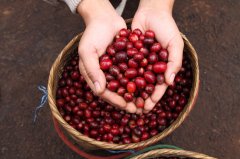
Classification and causes of defective beans in Fine Coffee SCAA
The growth environment of boutique coffee beans also has higher requirements. Generally grow at an altitude of 1500 meters or even more than 2000 meters above sea level, with appropriate precipitation, sunshine, temperature and soil conditions. Some world-famous coffee beans also have a special geographical environment, such as the alpine clouds in the Blue Mountains, the free shade provided by the afternoon clouds in Kona, and the volcanic ash soil in Antigua.
2016-05-31 Boutique coffee SCAA defects classification reasons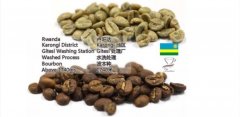
Coffee beans Rwanda coffee Karnogi boutique coffee
Rwanda is a small African country, and the local people are relatively poor, but it produces straight and very good coffee. Unlike its neighbors Kenya and Ethiopia, Rwanda's coffee is mainly round bourbon. The taste is not as prominent as Ethiopia and Kenya, but the evenness is excellent. Karnogi coffee in Rwanda is grown and harvested by local small farmers and is produced by Git
2014-09-23 Coffee knowledge coffee beans Rwandan coffee fine coffee
Coffee update Chongqing plans to build a global coffee futures trading center
Dagong Finance and Economics, Chongqing, July 16 (Reporter Han Yi) the first Chongqing Xinou coffee international special train left the central station of Tuanjie Village on the 16th and is expected to arrive in Duisburg, Germany, 14 days later, and then sold to about 20 European countries. In the future, Chongqing will make full use of its geographical advantages, make use of the Chongqing-Singapore Eurasian-European International Channel, with coffee as the main carrier, to build the world's third largest coffee futures trading center.
2015-07-18 Coffee latest information Chongqing proposed global futures trading center Archduke wealth
Rwandan coffee is the best coffee in Rwanda.
Rwandans have been growing coffee since colonial times, but until 1999, the product was classified as below grade C and was not available on the global market. The reason for the poor quality is that farmers do not have a fixed procedure for cleaning coffee beans, and they do not process coffee fruits according to specifications in time. Buyers pay $0.33 a kilo for coffee beans, farmers keep warm on meager profits from low prices
2016-05-15 boutique coffee rwanda characteristics presentation
Boutique Coffee Rwanda Coffee Manor 1756 members small farmers
Rwandans have been growing coffee since colonial times, but until 1999, its products were still classified as below Class C and were not popular in the global market. The reason for the poor quality is that farmers do not have a fixed procedure for washing coffee beans and do not process coffee fruits according to specifications in time. Buyers buy coffee beans at $0.33 per kilogram, and farmers keep warm by the meagre profits earned at low prices.
2016-05-15 Boutique coffee Rwanda manor 1756 members small farmers
Boutique coffee Rwanda coffee flavor red apple, cherry, cinnamon, honey
Rwandans have been growing coffee since colonial times, but until 1999, its products were still classified as below Class C and were not popular in the global market. The reason for the poor quality is that farmers do not have a fixed procedure for washing coffee beans and do not process coffee fruits according to specifications in time. Buyers buy coffee beans at $0.33 per kilogram, and farmers keep warm by the meagre profits earned at low prices.
2016-05-15 Boutique coffee Rwanda flavor red apple cherry cinnamon honey
Fine coffee Rwanda coffee producing area Western Province Lutexiluo producing area
Rwandans have been growing coffee since colonial times, but until 1999, the product was classified as below grade C and was not available on the global market. The reason for the poor quality is that farmers do not have a fixed procedure for cleaning coffee beans, and they do not process coffee fruits according to specifications in time. Buyers pay $0.33 a kilo for coffee beans, farmers keep warm on meager profits from low prices
2016-05-15 boutique coffee rwanda producing region western province texi
Fine coffee Rwanda coffee treatment method washing, elevated scaffolding sun drying
Rwandans have been growing coffee since colonial times, but until 1999, its products were still classified as below Class C and were not popular in the global market. The reason for the poor quality is that farmers do not have a fixed procedure for washing coffee beans and do not process coffee fruits according to specifications in time. Buyers buy coffee beans at $0.33 per kilogram, and farmers keep warm by the meagre profits earned at low prices.
2016-05-15 Boutique coffee Rwanda treatment way method washing elevated scaffolding solarization
Costa Rica Coffee Manor Hope Manor introduces the western valley
Hernando Tapasco's team, the lead botanist, set up a climate station on the estate to track weather data and help make harvest decisions. The data on the farm were collected continuously and analyzed once a week. After harvest, they will compare weather data, production data, cup test data, and analyze the correlation. The harvesters of Rose Summer are strictly trained to harvest only the mature ones.
2016-07-15 Costa Rica Coffee Manor Hope introduction West Valley Chief Botany
Characteristics of Kenyan coffee beans Kenyan coffee producing areas
It entered Kenya in the 19th century, when Ethiopian coffee drinks were imported into Kenya through southern Yemen. But it was not until the early 20th century that the bourbon was introduced by the St. Austen Mission (St.AustinMission). Kenyan coffee is mostly grown at an altitude of 1500m, 2100m, and is harvested twice a year. To ensure that only ripe berries are picked, people must be in the forest
2016-08-29 Kenya coffee beans characteristics coffee producing areas
Nestl é purchases 4C certified Yunnan coffee beans
After several years of training and preparation, since the beginning of the 2014-15 procurement season, all coffee beans purchased by Nestl é in Yunnan have passed 4C certification. 4C is a widely accepted management rule in the world, which involves the sustainable development of all aspects of the supply chain, such as coffee cultivation, production, processing and marketing. More and more international coffee buyers require that the coffee they buy must meet the requirements of 4C or
2014-12-06 Nestl é Purchasing Certification Yunnan Coffee beans after years training preparation 20
Wild coffee costs more than gold
A cup of natural coffee is something coffee lovers dream about. Aromatic alcohol, mild, soft, sweet, fragrant coffee, can be the main drink on the table of three meals a day, but also can be used as a refreshing thing for leisure drinks.
2014-06-04 Coffee Knowledge Gold Coffee Wild Coffee Blue Mountain
Santa Barara, San Juan Heido Manor, a coffee growing area in Honduras
Origin: Dota,Tarrazu,Costa Rica bean seed: Geisha processing plant: El Diosa altitude: 1850m treatment: Washed picking processing time: 04max 2014 baking degree: Light Green Apple fragrance, Sugarcane Sweet Goddess Manor is located in the Dota region of Costa Rica's most famous tarrazu region, famous for producing micro-batch sub-geisha / Rosa varieties. In 1865,
2016-06-14 Honduras Coffee producing area San Hu Theodore Manor Sanba Lara