“Processed coffee” search results (3800)

Taste characteristics of Ethiopian Coffee Manor Flavor description and introduction of varieties producing areas
Ethiopian coffee beans grow in close to the natural environment, after years of planting under the same growth conditions, Ethiopian coffee beans have gradually adapted to the environment here. More than 60% of coffee beans are grown in forests or semi-forests. Large-scale coffee-growing villages account for about 35% of the country's total coffee production. Many of these are used.
2016-10-15 Ethiopia Coffee Manor Flavor description processing Taste characteristics varieties
Raw beans coffee beans are processed to become coffee beans
Just buy a good coffee machine for coffee. Every cup you drink takes five years to blossom and bear fruit. It goes through complicated procedures such as harvesting, roasting, and so on, and is carefully prepared by the coffee maker. Here are seven simple rules for making good coffee: ● uses freshly roasted coffee beans for a maximum of a week, preferably half an hour before roasting
2016-05-25 Raw beans coffee beans pass how process become buy a set okay coffee machine OK
Sun boutique coffee Harald
In addition to Brazilian coffee processed by tanning, Harald also uses tanning to process coffee. Unlike Brazilian coffee, Harald can give you a refreshing feeling. It has a very sharp fermented smell, similar to the aroma of wine, and has the texture of red wine. It is a very rare fine coffee processed by sun.
2014-07-02 Coffee knowledge boutique coffee Harald coffee coffee encyclopedia
Boutique coffee beans sun-dried boutique coffee Harald
In addition to Brazilian coffee processed by tanning, Harald also uses tanning to process coffee. Unlike Brazilian coffee, Harald can give you a refreshing feeling. It has a very sharp fermented smell, similar to the aroma of wine, and has the texture of red wine. It is a very rare fine coffee processed by sun. Harald is a member of the Oromia region of Ethiopia
2014-09-23 Coffee knowledge Halla coffee boutique coffee
Italian bikini with coffee slimming coffee espresso with beans
The blending of several kinds of noodle coffee has the unique taste of deep baking, good taste, and proper sour taste. 1. 40% of the city-wide roasted Colombian Tuluni coffee-for better taste (it can also be other Colombian coffee, Nicaraguan La Illusion, or Brazilian Monte Carmelo coffee) 20% or 30% French roasted coffee
2016-06-19 Italian style bikini matching coffee slimming concentrated several kinds blending medium
Ethiopia Yega Sheffield Coffee Bean grows Raw Bean G2 Yega Chefe
Ethiopia has the longest history in the world, not only in coffee production and drinking, but also in the world. Most of the production is exported to advanced countries, and unlike other coffee-producing countries, 50% of the coffee produced in Ethiopia is consumed domestically. Nevertheless, more than 60% of Ethiopia's total foreign currency exports still come from the coffee trade, which is enough to replace
2016-05-04 Esso Biya Yega Chevy Coffee Bean planting Raw Bean Ethiopia only in

Ethiopian coffee flavor description processing characteristics of varieties of production area taste processing introduction
In the southwestern highlands of Ethiopia, the Kaffa, Sheka, Gera, Limu and Yayu Senli coffee ecosystems are considered home to Arabica coffee. These forest ecosystems are also home to a variety of medicinal plants, wildlife, and endangered species, large coffee farming villages.
2016-10-17 Ethiopia Coffee Flavor Description Processing Characteristics Variety Region Taste
Ethiopian coffee
Ethiopia is the hometown of Arabica coffee, and it is in the forests of Kaffa that you can see wild Arabica coffee. In Ethiopian, coffee is called "Bun" or "Buna". Coffee beans (coffee bean) may be translated from "Kaffa Bun". Arabica coffee was discovered early in the Harald area.
2014-06-23 Coffee knowledge Ethiopia Coffee Encyclopedia
Brief introduction of Ethiopian Coffee
Ethiopia is the hometown of Arabica coffee, and it is in the forests of Kaffa that you can see wild Arabica coffee. In Ethiopian, coffee is called "Bun" or "Buna". Coffee beans (coffee bean) may be translated from "Kaffa Bun".
2014-06-14 Coffee knowledge Ethiopia
Ethiopian Coffee Manor Flavor description Grinding characteristics introduction to the taste price of varieties in producing areas
Ethiopian coffee beans grow in close to the natural environment, after years of planting under the same growth conditions, Ethiopian coffee beans have gradually adapted to the environment here. More than 60% of coffee beans are grown in forests or semi-forests. Large-scale coffee-growing villages account for about 35% of the country's total coffee production. Many of these are used.
2016-10-10 Ethiopia Coffee Manor Flavor description Grinding characteristics varieties producing areas
Coffee bean producing countries introduce general knowledge of fine coffee
Indian Coffee Type: Arabica Coffee, Robusta Coffee production: 4.600.000 bags of Indian coffee are produced in southern India. The biggest advantage is that coffee is dark, with moderate viscosity and acidity and special attractive nuances, while the biggest disadvantage is that it is less irritating. Coffee from Shevaroysand Newgillis is generally better than that from other parts of southern India.
2015-06-05 Coffee beans producing countries introductions boutique coffee common sense India type A
Coffee beans are processed by washing beans.
Coffee beans are coffee beans have not been roasted before the state, coffee beans processing process is more troublesome, today we talk about how to wash coffee beans, that is, coffee beans processing washing beans this step.
2014-06-05 Coffee Bean Production Coffee Bean Processing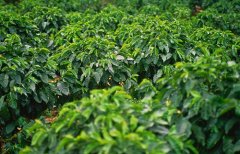
The most famous boutique raw bean flower scent in the world. Ethiopia Yega Xuefei G2.
Ethiopia has the longest history in the world, not only in coffee production and drinking, but also in the world. Most of the production is exported to advanced countries, and unlike other coffee-producing countries, 50% of the coffee produced in Ethiopia is consumed domestically. Nevertheless, more than 60% of Ethiopia's total foreign currency exports still come from the coffee trade, which is enough to replace
2016-06-28 Yega Sheffield the world famous boutique bean flower fragrant Ethiopia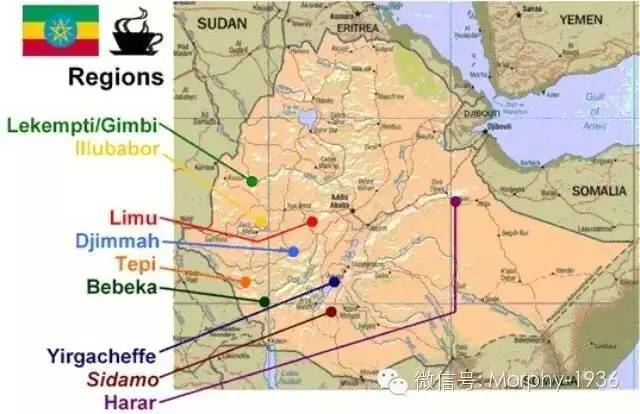
Introduction of boutique coffee beans Ethiopian coffee
Ethiopia is the hometown of Arabica coffee, and it is in the forests of Kaffa that you can see wild Arabica coffee. In Ethiopian, coffee is called Bun or Buna, and coffee beans (coffeebean) may be translated from Kaffa Bun. Arabica coffee was discovered early in the Harald area, probably from Kafa.
2015-07-09 Boutique coffee beans Ethiopia coffee introduction
Flavor characteristics of Ethiopian Fine Coffee Ethiopian Coffee
Ethiopia is the hometown of Arabica coffee, and it is in the forests of Kaffa that you can see wild Arabica coffee. In Ethiopian, coffee is called Bun or Buna, and coffee beans (coffeebean) may be translated from Kaffa Bun. Arabica coffee was discovered early in the Harald area, probably from Kafa.
2016-03-18 Ethiopia boutique coffee flavor characteristics
Drying is the most traditional processing method of coffee beans.
Drying is used for unwashed coffee beans. Wet treatment is used for thoroughly washed or semi-washed coffee beans. Except for the more common use of drying in Brazil and Ethiopia, most Arabica coffee beans are processed by wet treatment. In Indonesia, some Robart coffee beans are processed by wet treatment, but this is not common there. Drying method
2015-03-24 Dried coffee beans traditional construction drying for unwashed place
Drying is the most traditional method of processing coffee beans
Drying is used on unwashed coffee beans. Wet processing is used on thoroughly washed or semi-washed coffee beans. Most arabica beans are processed wet, except for drying, which is more common in brazil and ethiopia. In Indonesia, some Robert beans are wet processed, but this is not common locally. drying method
2015-11-05 drying traditional coffee beans method for unwashed conditioning
The most traditional drying method of coffee bean processing
Drying is used for unwashed coffee beans. Wet treatment is used for thoroughly washed or semi-washed coffee beans. Except for the more common use of drying in Brazil and Ethiopia, most Arabica coffee beans are processed by wet treatment. In Indonesia, some Robart coffee beans are processed by wet treatment, but this is not common there. Drying method
2014-12-17 Traditional coffee beans construction drying for unwashed place
Flavor description of Ethiopian Coffee Manor introduction of High-quality Coffee beans in producing areas
In February 1977, Lieutenant Colonel Mengistu Haier Maryam (MENGISTU HAILE MARIAM) launched a military coup and served as Chairman of the interim military Administrative Council and head of State. In 1979, the Ethiopian Labor people's Party Organization Committee, dominated by soldiers, was established to implement an one-party system. In 1984, the Ethiopian Workers' Party was formed according to the Soviet Communist Party model. Mengistu, September 1987
2016-10-06 Ethiopia Coffee Manor Flavor description Variety producing area characteristics Fine goods