“Natural environment” search results (2000)

The planting Environment of Nicaraguan Coffee Manor introduction to Los Congo Manor
The whole flavor is clean and sweet, with Kaddura sweet characteristics, bright and fresh green apple acid, a hint of rose tea, white grapefruit in the middle, clear and clean and pleasant taste. Huigan apple honey orange fruit is sweet, balanced and juicy, sweet after rhyme. Caturra Kaddura is a hot variety in recent years. It is a natural variety of bourbon and has been cultivated in Central and South America since 1950s. [manor]
2016-07-04 Nicaragua coffee planting environment manor introduction Los Congo whole wind
High quality Coffee production and sales of Coffee from Ethiopia Coffee
Ethiopian coffee beans grow in close to the natural environment, after years of planting under the same growth conditions, Ethiopian coffee beans have gradually adapted to the environment here. More than 60% of coffee beans are grown in forests or semi-forests. Large-scale coffee-growing villages account for about 35% of the country's total coffee production. Many of these are used.
2016-07-06 High quality coffee Ethiopia producing country production situation sales volume introduction boutique
Introduction to Coffee Culture and Flavor in Ethiopia
Sustainable coffee culture Ethiopian coffee beans grow in close to the natural environment, after years of planting under the same growth conditions, Ethiopian coffee beans have gradually adapted to the environment here. More than 60% of coffee beans are grown in forests or semi-forests. The villages that grow coffee in large areas account for about the total amount of coffee produced in the country.
2016-05-31 Ethiopia coffee culture flavor introduction sustainable development
Coca Cauca Fine Coffee from Columbia Coffee Manor
AF attaches great importance to protecting its natural environment, which is the wealth given to them by nature. The most important thing in their work is to always keep clean water on waterways instead of using dangerous chemicals, and to afforest with native plants to maintain the stability of the land and the animals and plants in the area. In addition, they have always adhered to an important commitment to eliminate the production of pollutant
2016-06-17 Columbia Coffee Manor producing area Cauca Fine goods very Note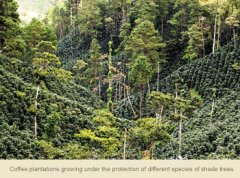
Guatemala Coffee planting Environment Guatemala Coffee cultivation
Faced with severe landscape changes and shrinking habitats, more than 90 species of migratory birds have found refuge in shaded trees. In early autumn (north temperate zone), birds such as Nashville warbler (Vermivoraruficapilla), wide-winged eagle (Buteo swordfish), crested flycatcher (Myiarchuscrinitus), lovely summer Donna Finch (Piranga bayberry), Raptors and others frequently shadow coffee.
2015-11-09 Guatemala coffee planting environment melon Mara facing serious change scenery
Cuban Crystal Mountain Sun washed Cuban Crystal Coffee introduction Cuban Crystal Coffee Crystal Mountain Coffee
In 1748, coffee was introduced into Cuba from Domiga, and Cuba began to grow coffee ever since. With fertile land, humid climate and abundant Rain Water, Cuba can be called a natural treasure land for coffee cultivation. The suitable natural conditions provide a favorable natural environment for the growth of coffee trees, and coffee is well planted and developed here. In Cuba, the cultivation of coffee is regulated by the state. The best in Cuba.
2016-09-01 Cuba Crystal Mountain Solar Water washing Crystal Coffee introduction 1748
Cuban Crystal Mountain Sun washed Cuban Crystal Coffee introduction Cuban Crystal Coffee Crystal Mountain Coffee
In 1748, coffee was introduced into Cuba from Domiga, and Cuba began to grow coffee ever since. With fertile land, humid climate and abundant Rain Water, Cuba can be called a natural treasure land for coffee cultivation. The suitable natural conditions provide a favorable natural environment for the growth of coffee trees, and coffee is well planted and developed here. In Cuba, the cultivation of coffee is regulated by the state. The best in Cuba.
2016-09-01 Cuba Crystal Mountain Solar Water washing Crystal Coffee introduction 1748
Cuban Crystal Mountain Sun washed Cuban Crystal Coffee introduction Cuban Crystal Coffee Crystal Mountain Coffee
In 1748, coffee was introduced into Cuba from Domiga, and Cuba began to grow coffee ever since. With fertile land, humid climate and abundant Rain Water, Cuba can be called a natural treasure land for coffee cultivation. The suitable natural conditions provide a favorable natural environment for the growth of coffee trees, and coffee is well planted and developed here. In Cuba, the cultivation of coffee is regulated by the state. The best in Cuba.
2016-09-01 Cuba Crystal Mountain Solar Water washing Crystal Coffee introduction 1748
Hawaiian coffee growing conditions low-yield coffee beans
Kona Coffee, an editor of the living environment, is grown on the slopes of Mauna Roa volcano on the southwest coast of Hawaii. In terms of flavor, Kona beans are closer to Central American coffee than Indonesian coffee. Its average quality is very high, carefully handled, medium texture, good sour taste, very rich flavor, and fresh Kona coffee is extremely fragrant. If you think you
2016-04-28 Hawaii Coffee cultivation conditions yield Coffee beans Survival Environment Editor Science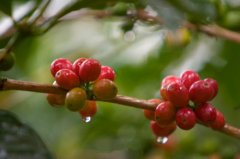
Current situation of Coffee in China Coffee growing Environment in Yunnan
The western and southern parts of Yunnan Province are located between 15o N and the Tropic of Cancer, most of which are 1000-2000 m above sea level. The topography is dominated by mountains and slopes, with large undulation, fertile soil, sufficient sunshine, rich rainfall and large temperature difference between day and night. These unique natural conditions form the flavor characteristics of Yunnan Arabica coffee with balanced aroma and moderate acidity. Coffee in Yunnan should be planted.
2015-03-16 China Coffee current situation Yunnan planting Environment Yunnan Province West South located
Natural coffee plantations in Guatemala Coffee plantations in Guatemala
The Republic of Guatemala borders Mexico to the northwest and is the largest and most populous country in Central America. Guatemala's natural climate and soil conditions make it an excellent environment for coffee growing. Due to the large number of archaeological discoveries, the BBC believes that Guatemala is the birthplace of the world's first human civilization and has helped the country find a steady stream of tourists.
2015-11-09 Guatemala Natural Coffee Plantation Republic Mexico
Ethiopian Coffee Manor Ted Manor Ethiopian Coffee producing area
Ethiopian coffee beans grow in close to the natural environment, after years of planting under the same growth conditions, Ethiopian coffee beans have gradually adapted to the environment here. More than 60% of coffee beans are grown in forests or semi-forests. Large-scale coffee-growing villages account for about 35% of the country's total coffee production. Many of these are used.
2016-07-27 Ethiopia Coffee Manor Ted producing area Coffee beans growing in
Taste characteristics of natural Ethiopian coffee fermented in the sun introduction to the flavor of fine coffee beans in the manor
Ethiopia has unique natural conditions suitable for growing all imaginable varieties of coffee. As a upland crop, Ethiopian coffee beans are mainly grown in areas between 1100 and 2300 meters above sea level, roughly distributed in southern Ethiopia. Deep soil, well drained soil, weakly acidic soil, laterite and soil are soft and contain
2016-09-03 Sun fermentation Natural Ethiopia Coffee Taste Variety characteristics Manor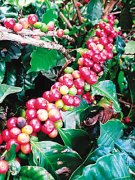
How to grow coffee in coffee growing environment Hawaiian low altitude coffee
The good quality of Kona coffee should be suitable for the right geographical location and climate. Coffee trees grow on the slopes of volcanoes, and their geographical location ensures the altitude needed for coffee to grow; the dark volcanic ash soil provides the necessary minerals for coffee. This is probably due to the fact that Kona Island is rich in volcanic black mud, which has moderate acidity, rich mineral content and high water content.
2016-05-19 Coffee planting environment how Hawaii altitude Kona coffee good quality
Introduction to the flavor and taste characteristics of Ethiopian coffee manor with fragrant and mellow smell
Ethiopian coffee beans grow in close to the natural environment. After years of planting under the same growth conditions, Ethiopian coffee beans have gradually adapted to the environment here. More than 60% of coffee beans are grown in forests or semi-forests. Large-scale coffee-growing villages account for about 35% of the country's total coffee production.
2016-09-13 Smell mellow thick Ethiopia coffee manor producing area flavor taste
Jamaica Blue Mountain Coffee, a coffee producer with a superior growing environment.
The Blue Mountain plantations are mainly distributed in the mountains of the southwest of the country at an altitude of 800-1200 meters above sea level. According to the conditions of coffee cultivation and the climate type of high-quality planting area, the most suitable natural zone for coffee bean growth is the savanna belt. From the location of Starbucks headquarters in the materials, we can see that its layout should be dominated by the city.
2016-06-18 With superior planting environment coffee producing country Jamaica Blue Mountain
Ethiopian Coffee Bean Flavor Manor introduces Ethiopian Coffee Brands
Ethiopian coffee beans grow in close to the natural environment, after years of planting under the same growth conditions, Ethiopian coffee beans have gradually adapted to the environment here. More than 60% of coffee beans are grown in forests or semi-forests. Large-scale coffee-growing villages account for about 35% of the country's total coffee production. Many of these are used.
2016-07-16 Ethiopia coffee beans flavor taste manor producing area introduction coffee brand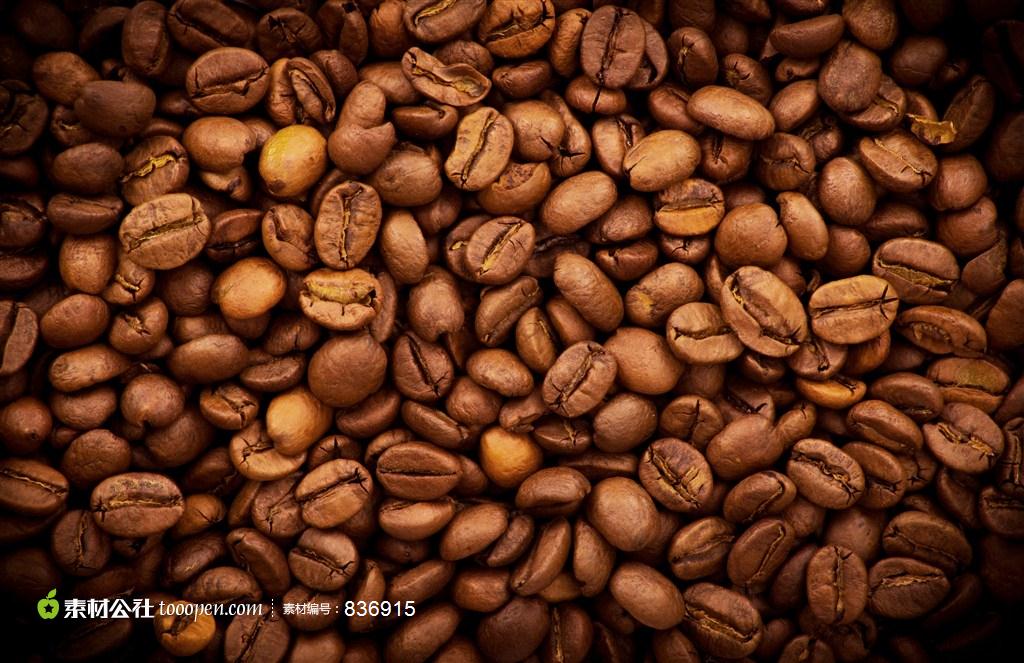
Introduction to the flavor of high-quality coffee beans in the manor characteristics of natural Ethiopian coffee fermented in the sun
Ethiopia has unique natural conditions suitable for growing all imaginable varieties of coffee. As a upland crop, Ethiopian coffee beans are mainly grown in areas between 1100 and 2300 meters above sea level, roughly distributed in southern Ethiopia. Deep soil, well drained soil, weakly acidic soil, laterite and soil are soft and contain
2016-09-05 Sun fermentation natural Ethiopia coffee taste variety manor characteristics
Ethiopian Fine Coffee Flavor characteristics of Ethiopian Coffee Yega Chefe Coffee
Ethiopian coffee beans grow in close to the natural environment, after years of planting under the same growth conditions, Ethiopian coffee beans have gradually adapted to the environment here. More than 60% of coffee beans are grown in forests or semi-forests. Large-scale coffee-growing villages account for about 35% of the country's total coffee production. Many of these are used.
2015-11-26 Ethiopia boutique coffee flavor characteristics Yega Sheffield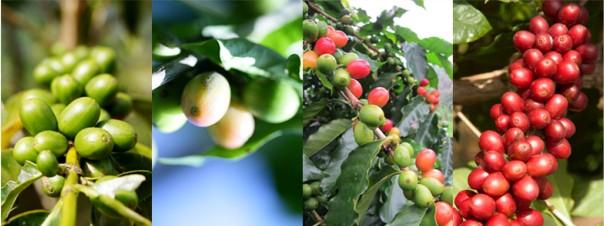
Coffee Network recommends Panamanian Poket boquete Rosa Coffee with 30% Cupid SHB Fine Coffee
From the victorious producing areas of the B.O.P contest! Panamanian coffee originated in 1780, when European immigrants introduced the first Tipica tree species. Located in Central America, with the natural advantages of sunshine, land and mountains, coupled with a sufficient working population, the region is an excellent area for growing and producing high-quality boutique coffee, and it is a paradise for coffee. Especially G from Panama.
2016-03-26 Coffee recommended Panama Pokui boquete Rosa content 30%