“La region” search results (600)

Sumatra Coffee region introduces La Souna Vahana Manor
This coffee trip visited several famous coffee exporters in MEDAN, the capital of Sumatra. The first is, of course, my supplier PAWANI. I am now their first authorized distributor in China. Hehe, PAWANI has a history of 56 years since its establishment. The founder, Mr. Dudebar, and two companions founded PAWANI, which means a long time.
2016-06-28 Sumatra coffee producing area introduction Lassou Nava Hana manor this time
Tarasu, the capital coffee region of southern Costa Rica
Located in the south of the country's capital, San Jose, Tarasu is one of the most valued coffee growers in the country. La Minita Tarrazu coffee is a famous local product, but its production is limited, about 72600 kilograms a year. It is grown on a piece of land called La Minita, which is owned by the McAlpine family of England.
2016-06-17 Costa Rica south capital coffee producing areas Tara Sue are located in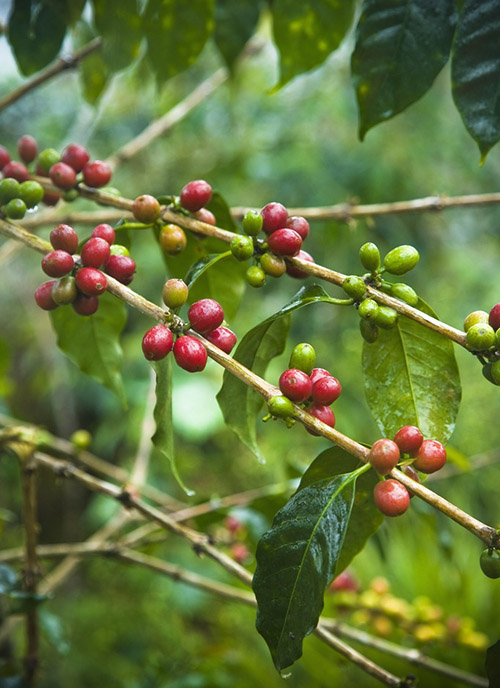
Washed coffee raw beans bourbon Kaddura high altitude at La Tisa Manor, Guatemala
Volcanic soil, high altitude, humid and rainy climate, and active volcanic activity have created the unique geographical conditions of the Farahan Plateau. The Pacaya volcano in the region is the most active of the three still erupting volcanoes in Guatemala, leaving the Farahan Plateau often shrouded in a thin layer of dust and providing plenty of minerals for the soil of the Farahan Plateau. When the coffee beans are dried
2016-07-26 Guatemala Ratti Manor washing processing Coffee Raw beans bourbon Kadu La
Bolivian Coffee Variety producing areas introduce Yongas, northeast of La Paz
Arabica coffee cannot be grown in cold places above 2000 meters above sea level. if the altitude is too high, coffee trees will frost because the temperature is too low. So Bolivian coffee is mainly grown in the Yungas region northeast of La Paz. It borders the Amazon basin and is about 1500-2500 meters above sea level with an average annual temperature of about 10-15 ℃. Therefore, it ensures the growth of coffee.
2016-06-18 Bolivia Coffee Variety producing area introduction La Paz Northeast Garth Rabbi
Characteristics of La Souna Mantenin Coffee
In less than a decade of promotion by the local Ministry of Agriculture, the coffee variety Rasuna Rasuna has shown good quality. The quality, yield and resistance to common pests and diseases of coffee beans have always been excellent. In all categories, Indonesia Rasuna coffee beans coffee cup test quality is excellent. Wet processing to reduce acidity, Rasuna coffee beans have Sumanda
2016-10-17 Rusu Naman Tenin Coffee characteristics Local Ministry of Agriculture Promotion less than year
Tarasu, a coffee-producing region in southern El Salvador
Located in the south of the country's capital, San Jos, Tarasu is one of the most valued coffee growers in the country. La Minita Tarrazu coffee is a famous local product, but its production is limited, about 72600 kilograms a year. It is grown on a piece of land called La Minita, which is owned by the McAlpine family of England.
2016-06-16 El Salvador south coffee producing areas Tara Sue are located located in the country.
Introduction of the six major coffee producing areas in Honduras to the western and southern regions
In Honduras, coffee-producing areas are divided into six major areas, spread to the west and south, namely Santa Barbara (Santa Barbara), El Paraiso (El Paraiso), Copan (Copan), La Paz (La Paz) and Comayagua (Olan Mound), with an average planting height of more than 1100 meters above sea level. The variety of coffee is Elaraby
2016-06-17 Honduras six Coffee production area introduction West South
Central and South American Coffee Flavor washing Raw Coffee beans at La Tisa Manor in Guatemala
Coffee was really introduced into Guatemala in 1750 by Father Jesuit, where the coffee industry was developed by German colonists at the end of the 19th century. Today, most of the coffee industry's production takes place in the south of the country. There are seven main coffee producing areas in Guatemala: Antigua, Coban, Atitlan and Huehuete.
2016-05-14 Central and South America Coffee Flavor Guatemala Ratti Manor washing processing Raw beans
Introduction of Santa Barara Manor in San Juan Heido region in six coffee producing areas in Honduras
In Honduras, coffee-producing areas are divided into six major areas, spread to the west and south, namely Santa Barbara (Santa Barbara), El Paraiso (El Paraiso), Copan (Copan), La Paz (La Paz) and Comayagua (Olan Mound), with an average planting height of more than 1100 meters above sea level. The variety of coffee is Elaraby
2016-06-29 Honduras six Coffee producing area introduction San Hu Theodore Sanba Lara Chuang
Bolivian coffee producer Yongas, northeast of La Paz, has a unique coffee growing environment.
We know that Arabica coffee cannot be grown in cold places above 2000 meters above sea level. if the altitude is too high, coffee trees will frost because the temperature is too low. So Bolivian coffee is mainly grown in the Yungas region northeast of La Paz. It borders the Amazon basin and is about 1500-2500 meters above sea level with an average annual temperature of about 10-15 ℃. Therefore, guarantee
2016-06-18 Owned thick coffee planting environment Bolivia producing country La Paz northeast
Guatemala Republic Coffee beans Flower-scented Coke of La Tisa Manor on the Farahan Plateau of Guatemala
Coffee was really introduced into Guatemala in 1750 by Father Jesuit, where the coffee industry was developed by German colonists at the end of the 19th century. Today, most of the coffee industry's production takes place in the south of the country. There are seven main coffee producing areas in Guatemala: Antigua, Coban, Atitlan and Huehuete.
2016-07-06 Guatemala Republic Coffee beans Farah Plateau Ratti Manor Flower scent Rich
El Salvador Coffee Manor producing area Santa Ana Volcano area-Kuskabapa region
Anny is the second generation of LOMA LA GLORIA's estate, and her father bought the estate on the volcanic slope (El Boqueron). Before 2012, Anny's father managed the estate on his own, and all the products were picked and sent to the washing station. In 2012, Anny returned to the manor and had planned to open a cafe downtown. After consideration, she began to take over the estate.
2016-06-18 El Salvador Coffee Manor producing area Anna Volcano region Cuz Caba A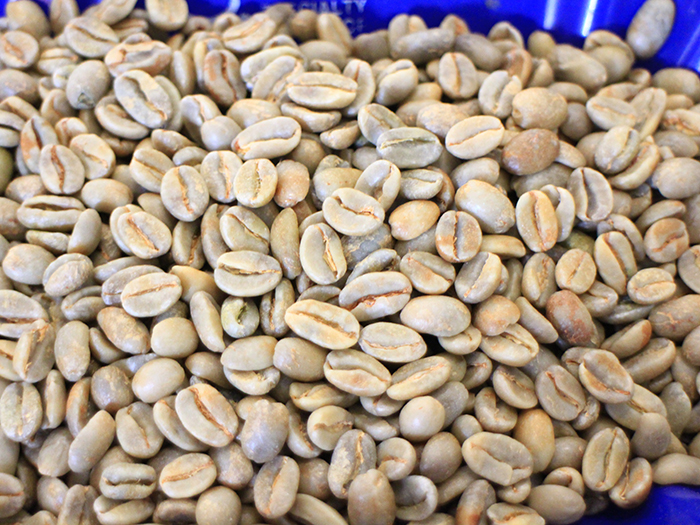
Washed coffee beans in Guardia La Tisa Manor Bourbon Kaddura fresh hard beans at high altitude
Coffee was really introduced into Guatemala in 1750 by Father Jesuit, where the coffee industry was developed by German colonists at the end of the 19th century. Today, most of the coffee industry's production takes place in the south of the country. There are seven main coffee producing areas in Guatemala: Antigua, Coban, Atitlan and Huehuete.
2016-04-13 Melon Mara Ratti Manor washing processing Coffee Raw Bean bourbon Kadu
The soft taste of Colombia coffee growing area Introduction to the Andes Hope Manor
The first estate Herrera bought back home was La Esperanza in Trujillo, very close to their grandfather's original farm, which now serves as regional headquarters. The estate itself is 100% organic, with coffee trees of different varieties including Colombia, Castillo, Caturra and more than 14000 organic roses. Herrera is coming up in Trujill.
2016-07-06 Taste Soft Colombia Coffee Region Planting Introduction Andes
Introduction of La Tisa Manor on the Farahan Plateau of Guatemala
Volcanic soil, high altitude, humid and rainy climate, and active volcanic activity have created the unique geographical conditions of the Farahan Plateau. The Pacaya volcano in the region is the most active of the three still erupting volcanoes in Guatemala, leaving the Farahan Plateau often shrouded in a thin layer of dust and providing plenty of minerals for the soil of the Farahan Plateau. When the coffee beans are dried
2016-05-08 Guatemala Farah Plateau Ratti Manor introduction Volcano soil High altitude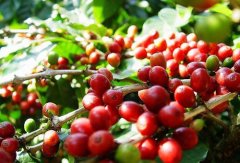
La Tisa Manor, Farahan Plateau, Guatemala
Country: Guatemala Grade: SHB production area: Fraijanes,Guatemala City altitude: 1675 m Harvest time: October to February next year treatment: washing varieties: bourbon, Kaddura processing Plant: Latitha Manor Flavor: black tea, floral, rich caramel coffee was really introduced to Guatemala in 1750, introduced by Father Jesuit at the end of the 19th century
2016-05-10 Guatemala Farah Plateau Ratti Manor country Rank SH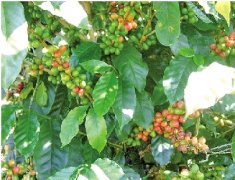
American boutique coffee La Tisa Manor on the Farahan Plateau of Guatemala
Volcanic soil, high altitude, humid and rainy climate, and active volcanic activity have created the unique geographical conditions of the Farahan Plateau. The Pacaya volcano in the region is the most active of the three still erupting volcanoes in Guatemala, leaving the Farahan Plateau often shrouded in a thin layer of dust and providing plenty of minerals for the soil of the Farahan Plateau. When the coffee beans are dried
2016-05-14 America boutique coffee Guatemala Farah plateau Ratti manor volcano earth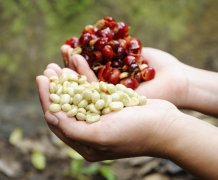
Single black coffee at La Tisa Manor on the Farahan Plateau, Guatemala
Volcanic soil, high altitude, humid and rainy climate, and active volcanic activity have created the unique geographical conditions of the Farahan Plateau. The Pacaya volcano in the region is the most active of the three still erupting volcanoes in Guatemala, leaving the Farahan Plateau often shrouded in a thin layer of dust and providing plenty of minerals for the soil of the Farahan Plateau. When the coffee beans are dried
2016-05-18 Guatemala Farah Plateau Ratti Manor Pinot Black Coffee Volcano soil
Boutique Coffee at La Tisa Manor in the Farahan Plateau of Guatemala
Volcanic soil, high altitude, humid and rainy climate, and active volcanic activity have created the unique geographical conditions of the Farahan Plateau. The Pacaya volcano in the region is the most active of the three still erupting volcanoes in Guatemala, leaving the Farahan Plateau often shrouded in a thin layer of dust and providing plenty of minerals for the soil of the Farahan Plateau. When the coffee beans are dried
2016-05-30 Guatemala Farah Plateau Ratti Manor boutique Coffee Volcano soil High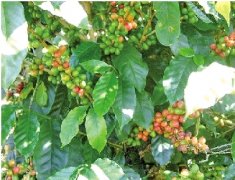
Black tea flowers flavor La Tisa Manor in the Farahan Plateau of Guatemala
Coffee was really introduced into Guatemala in 1750 by Father Jesuit, where the coffee industry was developed by German colonists at the end of the 19th century. Today, most of the coffee industry's production takes place in the south of the country. There are seven main coffee producing areas in Guatemala: Antigua, Coban, Atitlan and Huehuete.
2016-06-22 Black tea flower scent flavor Guatemala Farah plateau Larty manor coffee true