“Jima” search results (482)

A brief introduction to the main producing areas of delicious Ethiopian coffee
Hara (Harar) / Solar or dried (Sundried/Dry-Processed) Hara is located in the Eastern Highlands of Ethiopia (Harerge Province) and grows between 5000 and 7000 feet above sea level. It was still wild on slopes a century ago. Most of the raw beans are medium size and have long tips at both ends, with a yellowish or golden green color and strong chocolate when baking.
2016-05-03 Delicious Ethiopia coffee main producing area profile boutique coffee beans Hara
Coffee producing area in Ethiopia details Ethiopian coffee
The coffee tree originated in Ethiopia, which was originally a wild plant here, and the name coffee comes from the Ethiopian town of Kaffa. Humans may have known how to grow coffee trees as early as the 9th century. Coffee producing area in Ethiopia: many coffee trees in Ethiopia are still wild plants, and the coffee grown on this coffee tree is full of grains.
2015-05-14 Ethiopia coffee origin details
Global Coffee producing area-Ethiopian Coffee Market
The coffee tree originated in Ethiopia, which was originally a wild plant here, and the name coffee comes from the Ethiopian town of Kaffa. Humans may have known how to grow coffee trees as early as the 9th century. Coffee producing area in Ethiopia: many coffee trees in Ethiopia are still wild plants, and the coffee grown on this coffee tree is full of grains.
2015-08-24 Global coffee origin Ethiopia market
A brief introduction to the main producing areas of coffee beans in Ethiopia
Hara (Harar) / Solar or dried (Sundried/Dry-Processed) Hara is located in the Eastern Highlands of Ethiopia (Harerge Province) and grows between 5000 and 7000 feet above sea level. It was still wild on slopes a century ago. Most of the raw beans are medium size and have long tips at both ends, with a yellowish or golden green color and strong chocolate when baking.
2015-09-01 Coffee Origin Ethiopia Coffee beans main producing areas profile Hara
Twelve famous high-quality coffee producers in Ethiopia
The coffee tree originated in Ethiopia, which was originally a wild plant here, and the name coffee comes from the Ethiopian town of Kaffa. Humans may have known how to grow coffee trees as early as the 9th century. Coffee producing area in Ethiopia: many coffee trees in Ethiopia are still wild plants, and the coffee grown on this coffee tree is full of grains.
2015-06-01 Famous twelve quality coffee origin Ethiopia
Ethiopian boutique coffee introduces the characteristics of Ethiopian coffee Ethiopian coffee
The coffee tree originated in Ethiopia, which was originally a wild plant here, and the name coffee comes from the Ethiopian town of Kaffa. Humans may have known how to grow coffee trees as early as the 9th century. Coffee producing area in Ethiopia: many coffee trees in Ethiopia are still wild plants, and the coffee grown on this coffee tree is full of grains.
2016-03-25 Ethiopia boutique coffee introduction characteristics
Ethiopian Sunshine Sidama Coffee Flavor and Taste introduction to Sidamo producing area
Gima, which accounts for about 50 per cent of Ethiopia's annual output, grows between 4400 and 6000 feet above sea level in the country's southwestern highlands (the border between Kaffa and Illubabor provinces) and is usually exported to G5/G4. However, in recent years, about 10% or 20% of Gima has been used to make up for the lack of taste of coffee, but its quality has gradually declined to its own level, but for the purchase of
2016-07-11 Ethiopia sun Dharma coffee flavor taste introduction producing area this
Ethiopian Solar Yega Shifeiwaka Coffee Flavor description Grinding degree Taste treatment method
The world-famous Ethiopian coffee is mainly as follows: 1. Limu coffee grows between 1400 meters and 2000 meters above sea level. Wash the coffee. Excellent quality, with strong nut aromas, suitable acidity, with the intensity of wine. The annual output is 29000 tons. 2. Jima Coffee grows between 1400 and 1800 meters above sea level. Sun-baked coffee. Slightly sour, with nutty aromas and a long finish. Annual output
2016-10-06 Ethiopia Sun Yega Sheffield Wauka Coffee Flavor description Grinding
Brief introduction of Ethiopian Coffee the hometown of Arabica Coffee
Lim G2 Ethiopia is the hometown of Arabica coffee, and you can see wild Arabica coffee in the forests of the Kaffa region. In Ethiopian, coffee is called Bun or Buna, and coffee beans (coffee bean) may be translated from Kaffa Bun. Arabica coffee has long been found in the Harald area, which is very accessible.
2015-10-12 Ethiopia coffee profile rabbi hometown
A brief introduction to boutique coffee beans and Ethiopian coffee
Lim G2 Ethiopia is the hometown of Arabica coffee, and you can see wild Arabica coffee in the forests of the Kaffa region. In Ethiopian, coffee is called Bun or Buna, and coffee beans (coffee bean) may be translated from Kaffa Bun. Arabica coffee has long been found in the Harald area, which is very accessible.
2014-11-19 Coffee knowledge fine coffee beans Ethiopian coffee
What kind of coffee does Sidamo produce? how does Sidamo coffee taste?
Coffee is Ethiopia's main economic crop and the country's largest crop export and important industry. It accounts for 60% of Ethiopia's total export value and supports many small farms, as well as sugar, bananas and cotton. It is also Ethiopia's largest and important commodity export crop after oil, and it is also the largest export of Elaraby in Africa, in 1997.
2016-05-23 Dharma which coffee taste how Yeso Biya want economy
The Sidamo Coffee production area on the Ethiopian Plateau introduces boutique coffee.
Djimmah, which accounts for about 50 per cent of Ethiopia's annual output, grows between 4400 and 6000 feet above sea level in the country's southwestern highlands (the border between Kaffa and Illubabor provinces) and is usually exported to G5/G4. However, in recent years, about 10% or 20% of Gima has been used to make up for the lack of taste of coffee, but its quality has gradually declined to the water it should have.
2016-06-29 Ethiopia plateau altitude Dharma coffee production area introduction boutique Gima
African Coffee Manor Ethiopia Gemma Coffee Raw Bean DjimmaG4 Sun Mocha Flavor
CONTENT [product name] Gemma Djimma [place] Ethiopia (Ethiopia) [place] sun [baking] recommended baking degree: deep baking [cup review] slightly sour, full and complex palate, special fruity aroma (similar to earthy or herbaceous) Gemma is close to Harald's complex wildness in style, slightly bitter on the palate, low acidity, warm and full-bodied taste.
2015-12-28 Africa Coffee Manor Ethiopia producing areas Raw beans DjimmaG4
Introduction to the characteristic varieties of Ethiopia's Xida Motede Manor with unique flavor
The unique fragrance of Yirgacheffe comes from Yirga, a small town in the northwest of Sidamo province. Yirgacheffe coffee raw bean is one of the most distinctive coffee in the world. It is rare and expensive. It is produced in the plateau of Ethiopia's Sidamo province, which is 2000 meters above sea level. It is an outstanding washed coffee in Africa.
2016-09-12 Flavor unique sexual Ethiopia Dharma Ted Manor producing area characteristics
Introduction to Ethiopian Coffee Culture and Flavor of Fine Coffee beans
The southern western highlands of Ethiopia (border of Shewa and Sidmo provinces) east of Jima, north of Sidamo, 3600-6200 feet above sea level are preferred by most Europeans and Americans, most of them are washed with water, their annual output is about 110000bags/60kg, most of the beans are round (15/16scr), the color is green and bluish, the export is mostly G2, the taste is similar to Yegashev, but the viscosity is thin, but
2016-06-15 Boutique coffee beans Ethiopia coffee culture flavor introduction Ted manor
Mellow Coffee Flavor description of Cedar Motad Manor, introduction to the treatment method of grinding degree
Yirgacheffe coffee raw bean is one of the most distinctive coffee in the world, rare and expensive. It is produced in the plateau of Ethiopia's Sidamo province (2000 meters above sea level). It is an outstanding representative of washed coffee in Africa. It has always been famous in the eyes of global coffee connoisseurs. Rare washed high quality Elaraby plus coffee is suitable for all degrees of roasting.
2016-09-30 Mellow light Dharma Ted Manor Coffee Flavor description Grinding treatment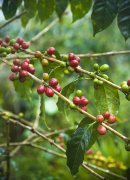
Sidamo boutique coffee cooked beans Ethiopia G2 manor bean washing treatment fruity flavor
There are many water treatment plants on the main roads of coffee producing areas, especially in Jima area, and a large number of treatment plants are not fully utilized because of the fierce competition, so the person in charge of the treatment plant pays higher prices to farmers, but worries about whether they can make a profit. Nowadays, a kilogram of raw beans is usually sold for about 2 Birr (Ethiopian units).
2016-07-07 Dharma boutique coffee cooked beans Ethiopia grade manor washing treatment
Introduction to the characteristics of Coffee Flavor description varieties in Xida Mochizo producing area
Ethiopian coffee is mostly in the sun, but now it seems to have changed in recent years, and the boutique coffee movement has made people's mouths more and more picky. Less gossip, the aroma is obvious: according to Westerners, it is rose tea, but I think it is more like the taste of brown sugar and ginger soup, as well as the tonality of honey and oranges. This one is obviously purer than other Sidamo.
2016-09-19 Taste thin Dharma Shaquiso producing areas Coffee Flavor description varieties characteristics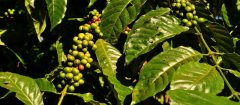
The export of Ethiopian coffee knows the main producing areas of Ethiopian coffee.
Coffee export coffee is Ethiopia's most important export cash crop and the main source of Ethiopia's foreign exchange earnings. Ethiopia's coffee exports account for about 3% of the world market, making it the eighth largest coffee exporter in the world. Coffee exports increased steadily from 58000 tons in 1990 to 110000 tons in 1995-1996 and remained at this level in the following years. two
2016-05-14 Ethel Searle Biya Coffee Export understanding main producing area
Ethiopia's highlands are the birthplace of coffee
The Ethiopian plateau is the birthplace of coffee. In the east, near Harrar, the ancient capital, mocha beans (Harrar,Harari,Harer or Harar) are still produced by traditional drying methods at an altitude of about 2,000 meters above sea level.
2014-06-16 Coffee knowledge Ethiopia birthplace