“In process” search results (25000)

Costa Rica Saint Roman Water washing and processing Plant Coffee Fine Coffee
The best coffee in Costa Rica seems to come from small processing plants, spread across several major coffee producing areas, including Tarazu and the western valley. This so-called coffee revolution originated 15 years ago and has greatly changed the way bean baking experts and importers think about Costa Rican coffee. Take the processing plant as the center, collect coffee beans from the surrounding small farms for processing, most of these farms are small societies
2016-05-18 Costa Rica Roman washing processing plant coffee boutique okay
The way of processing coffee beans washing sun-cured coffee beans
Coffee beans have to go through a lot of processing from picking to edible. Today, I would like to introduce to you the knowledge of coffee bean processing. The time to harvest coffee varies from country to country and from region to region. The harvest process requires a lot of manpower, especially high-quality selected coffee, which can only pick fully ripe red coffee cherries. Because all coffee cherries are not at the same time.
2015-03-05 Coffee beans processing treatment method washing sun exposure coffee beans sweet potato edible
Coffee Common sense Coffee processing methods and Flavor advantages and disadvantages of Coffee beans
The coffee beans we are familiar with are all cooked coffee beans, that is, roasted coffee beans. Different roasting processes can add different flavors to coffee beans. Perhaps few coffee lovers know the processing methods of raw coffee beans. Today, the editor will explain the processing methods and flavor advantages and disadvantages of raw coffee beans. The coffee fruit after harvest must be put into the processing program immediately, otherwise it will open.
2015-02-06 Coffee common sense raw beans processing methods flavor advantages and disadvantages we familiar with coffee
Production and processing of Vietnamese Fine Coffee Taste characteristics of Vietnamese Fine Coffee
The geographical location of Vietnam is very favorable for coffee growing. the south of Vietnam has a hot and humid tropical climate, which is suitable for growing ROBUSTA coffee and the north is suitable for growing ARABICA coffee. Each coffee bean used in the current production of Saigon Coffee is selected from the best coffee areas in the Vietnamese plateau and is roasted with special cream with outstanding milky aroma, mellow coffee flavor and coffee aroma.
2016-03-18 Vietnam boutique coffee production and processing taste characteristics
Coffee beans roasting process Coffee bitterness comes from processing
In western countries, people drink a cup of coffee every morning. In order to cover up the bitterness of coffee, some milk powder and granulated sugar are often added. Why is coffee bitter? What seems like a simple question has puzzled scientists for decades. Now, scientists have narrowed their search to two chemical molecules. in the American Chemical
2015-10-13 coffee beans roasting process coffee bitterness from processing western countries people
St. Roman processing Plant in Tarazu, Costa Rica, where does Costa Rica's best coffee come from?
The best coffee in Costa Rica seems to come from small processing plants, spread across several major coffee producing areas, including Tarazu and the western valley. This so-called coffee revolution originated 15 years ago and has greatly changed the way bean baking experts and importers think about Costa Rican coffee. Take the processing plant as the center, collect coffee beans from the surrounding small farms for processing, most of these farms are small societies
2016-05-07 Costa Rica Tara production area Roman processing plant okay coffee from where Goss
The method of primary processing of coffee beans-honey treatment
A few years ago, a fad of expensive Indonesian Kopi Luwak introduced domestic consumers to the concept of diversified production technologies for boutique coffee, and then the emergence of sparrow shit coffee in Brazil and shit coffee in Thailand was a bit like an odd coffee zoo war. When it comes to the new stars in the production process of boutique coffee, honey treatment has to be mentioned. At the WSC contest, which is known as the Coffee World Cup
2014-09-03 Coffee knowledge coffee bean processing methods for handling coffee beans honey treatment
The most traditional processing method of coffee beans
Drying is used for unwashed coffee beans. Wet treatment is used for thoroughly washed or semi-washed coffee beans. Except for the more common use of drying in Brazil and Ethiopia, most Arabica coffee beans are processed by wet treatment. In Indonesia, some Robart coffee beans are processed by wet treatment, but this is not common there. Drying method
2015-01-28 Coffee beans processed dried traditional manufactured used unwashed coffee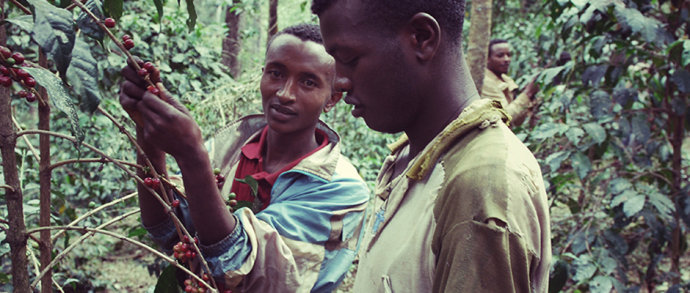
The harvest and processing flow and two basic processing methods of coffee beans in India and West Asia.
Picking: due to climatic differences, the harvest season is usually from September to March in the Northern Hemisphere and from April to August in the Southern Hemisphere. When the coffee beans are ripe, they can be picked. In many alpine slopes, coffee must be picked manually. In relatively flat producing areas such as Brazil, Australia and Hawaii, they can be picked by machines. These two methods
2015-12-29 India West Asia producing areas coffee beans harvesting processing processes and two basic
Drying is the most traditional processing method of coffee beans.
Drying is used for unwashed coffee beans. Wet treatment is used for thoroughly washed or semi-washed coffee beans. Except for the more common use of drying in Brazil and Ethiopia, most Arabica coffee beans are processed by wet treatment. In Indonesia, some Robart coffee beans are processed by wet treatment, but this is not common there. Drying method
2015-03-24 Dried coffee beans traditional construction drying for unwashed place
Coffee basic knowledge Coffee bitterness comes from the processing process
In western countries, people drink a cup of coffee every morning. In order to cover up the bitterness of the coffee, they often add some milk powder and sugar. But why is coffee bitter? A seemingly simple problem has been bothering scientists for decades. Now, scientists have narrowed down their research and targeted two chemical molecules. Chemistry in the United States
2014-12-10 Coffee basics common sense bitterness from processing process Western countries people every
Drying is the most traditional method of processing coffee beans
Drying is used on unwashed coffee beans. Wet processing is used on thoroughly washed or semi-washed coffee beans. Most arabica beans are processed wet, except for drying, which is more common in brazil and ethiopia. In Indonesia, some Robert beans are wet processed, but this is not common locally. drying method
2015-11-05 drying traditional coffee beans method for unwashed conditioning
Coffee Basics Common Sense Coffee Bitterness comes from the processing process
In western countries, people drink a cup of coffee every morning. In order to cover up the bitterness of coffee, some milk powder and granulated sugar are often added. Why is coffee bitter? What seems like a simple question has puzzled scientists for decades. Now, scientists have narrowed their search to two chemical molecules. in the American Chemical
2015-05-28 coffee basics common sense bitterness from processing process western countries people per
Coffee beans what is Honey Process Coffee knowledge is popularized | what is Honey treatment (honey)
4. Honey treatment Today, honey treatment is used in almost all the producing areas of Costa Rica. This method is also widely spread throughout Central America. Because the surface mucosa of coffee beans is extremely sticky and smooth and the sugar content is extremely high, it is often called honey. In the process of honey treatment, coffee will leave some or all of the honey when it is dried. After picking, grading and peeling the coffee fruit, it will be
2016-04-25 Coffee beans what processing coffee knowledge popularization Honey Proce
Talk about the processing process of coffee beans
Within 8 hours after picking, the coffee fruit should be peeled, otherwise negative fermentation will occur, thus affecting the quality of coffee beans.
2014-07-08 Coffee knowledge coffee bean processing coffee encyclopedia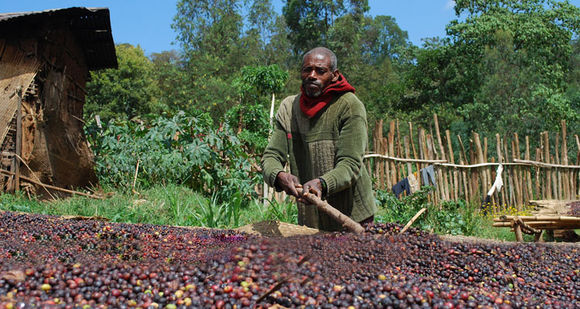
Boutique Coffee Manor in America Royal Coffee from St. Roman processing Plant in Tarazu, Costa Rica
The best coffee in Costa Rica seems to come from small processing plants, spread across several major coffee producing areas, including Tarazu and the western valley. This so-called coffee revolution originated 15 years ago and has greatly changed the way bean baking experts and importers think about Costa Rican coffee. Take the processing plant as the center, collect coffee beans from the surrounding small farms for processing, most of these farms are small societies
2016-04-06 America boutique coffee manor Costa Rica Tara producing area Roman processing plant
Wet treatment of High-quality Coffee beans
There are two ways to prepare coffee beans for the baking process. The method chosen has a significant impact on the final price and quality of coffee. The cheapest method of processing is called drying, which is used for lower-grade coffee beans, while higher-quality coffee beans are processed by wet treatment. The wet treatment process requires more capital investment and more energy, but it helps to ensure
2014-12-17 Boutique coffee beans processing baking process preparation two kinds square
On the processing of coffee beans
There are two ways to prepare coffee beans for the baking process. The method chosen has a significant impact on the final value and quality of coffee. The cheapest method of processing is called "drying", which is used for lower-grade coffee beans, while higher-quality coffee beans are processed by "wet treatment".
2014-08-08 Coffee knowledge coffee bean processing coffee encyclopedia
The roasting process of coffee tree fruit from coffee tree to coffee
Coffee is a perennial evergreen shrub or small tree of Rubiaceae. It is a horticultural perennial cash crop with the characteristics of fast growth, high yield, high value and wide market. Wild coffee trees can grow to a height of 5 to 10 meters, but coffee trees planted on the manor are often cut to less than 2 meters in order to increase their fruit and facilitate harvesting. The first flowering period of a coffee tree is about the age of the tree.
2015-11-05 Coffee fruit roasting process coffee grass perennial evergreen shrubs trees
Coffee initial processing Coffee washing process
The coffee beans after harvest must enter the treatment program immediately, otherwise they will begin to ferment, making the coffee beans have a bad smell. There are two methods of treatment: solarization and water washing, which will cause different flavors. Sun-dried beans have a complete natural mellow flavor, gentle aroma and more gum; washing rules have a good mellow taste, high aroma and lively sour taste. The mellow taste is
2014-09-29 Coffee initial processing coffee washing processing