“High Acid” search results (5000)
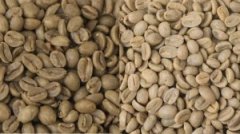
Behind the origin of the sour taste of coffee and the sour taste of coffee is a very complicated problem.
Raw coffee beans contain sour ingredients such as citric acid, malic acid, quinic acid and phosphoric acid, but these are not the main sources of sour taste when drinking coffee. The acid produced during baking is the main source of sour taste. Raw beans produce a series of chemical reactions during baking to form new acids. The most important thing is that chlorogenic acid is decomposed to form quinic acid and oligosaccharides.
2015-09-02 Coffee sour taste origin formation behind a very complicated problem coffee raw beans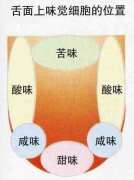
Coffee training knowledge, your coffee acid is not sour.
Acidity is often used in our coffee tasting or coffee training terms, which is translated as acidity in Chinese, which is often misunderstood as the acidity in acid value or the sour taste of lemon or vinegar, but it is not a concept. Usually coffee people describe coffee flavor refers to Acidity (acidity), is to describe a lively, bright, fresh, refreshing feeling. Usually when the taste of coffee is identified
2014-10-08 Coffee knowledge caffeic acid coffee training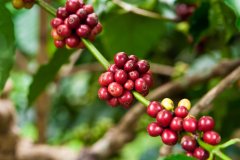
What is the acid in coffee? coffee flavor PH is the important flavor of coffee beans.
Acid acid is a chemical substance characterized by its sour taste. Acid is called acid in English and means sour in Latin. Chemically, the PH value of acid aqueous solution is less than 7, and the smaller the value is, the greater the acidity is. Many foods contain acidic compounds. Common foods include lemon, vinegar, yogurt or coffee. Coffee alone contains hundreds of acidic compounds, and then we
2016-06-24 Coffee medium what is it food flavor coffee beans important Acid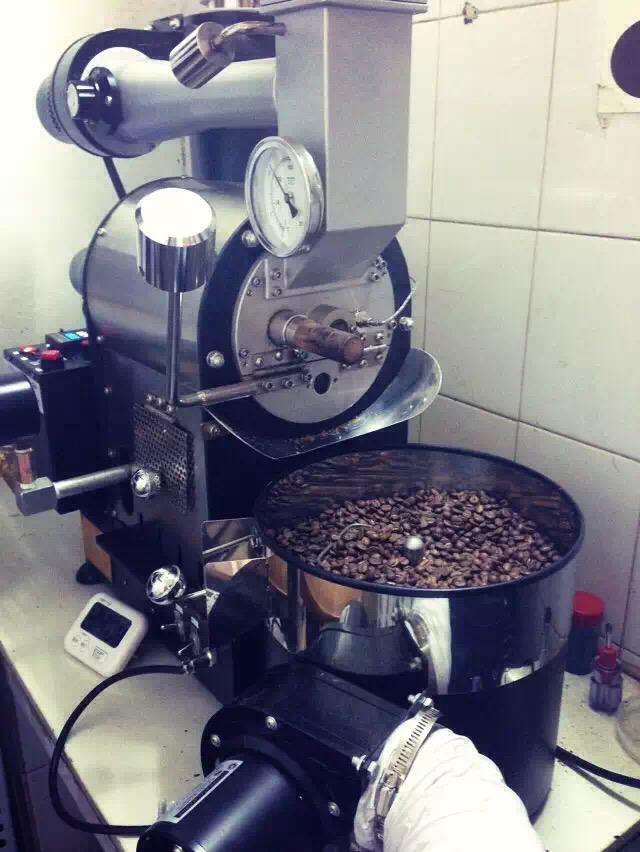
The roasting of coffee beans awakens the strongest aroma in the world and makes you fall in love with it deeply.
Guide: grab a handful of coffee raw beans smell, there is always a pungent smell, very different from the impression of the charming smell of coffee. However, after roasting "fragrance" correctly, raw beans will emit the strongest aroma in the world. Grab a handful of coffee raw beans smell, there is always a pungent smell, very different from the impression of the charming smell of coffee. However, when raw beans are roasted correctly, they will be fragrant.
2015-11-30 Coffee beans roasting awakening world rich aroma let you deep fall in love guide reading
About sour Coffee in Coffee
Some friends call the acid in coffee ascorbic acid. So the first question is whether there should be acid in coffee and what is the charming acid in coffee. When we talk about this problem, we have to compare the difference between Arabica coffee and Robusta coffee. Arabica coffee is superior to Robusta coffee in that the former has the complexity of taste. There are.
2014-07-23 Coffee common sense caffeic acid coffee encyclopedia
The basic chemical reaction of coffee roasting process
Many thermal and chemical reactions take place during baking: decarbonation, dehydration of quinic acid, subdivision, isomerization, polymerization, and complex sugar reactions (caramelization). The main components of the thermal reaction are monosaccharides and sucrose, chlorogenic acid, free amino acids, and fenugreek amide. Both aravinose and calactose in the polysaccharides are transferred, and the basic vulcanization contains hydroxylated amino acid.
2014-08-15 Coffee knowledge coffee roasting process baking chemical reaction
Talk about sour coffee. Sour coffee tastes sour.
I made an appointment with my friends last week to talk about the acid in my coffee. I'll probably finish this with six Weibo posts. Some friends call the acid in coffee ascorbic acid. So the first question is whether there should be acid in coffee and what is the charming acid in coffee. When we talk about this problem, we have to compare the difference between Arabica coffee and Robusta coffee. Ah
2015-11-10 Talk coffee medium get up sour last week friends all right talk coffee.
Basic chemical reactions that occur during coffee roasting
Many thermal and chemical reactions take place during baking: decarbonation, dehydration of quinic acid, fragmentation, isomerization, polymerization, and complex sugar reactions (caramelization). The main thermally reactive components are monosaccharides and sucrose, chlorogenic acid, displaced amino acids, and trigonelline amide. Both aravinone and calactose in polysaccharides are transferred, and basic sulfurization contains hydroxyamino acids.
2014-08-20 Coffee knowledge Coffee roasting Chemical changes Coffee encyclopedia
The basic chemical reaction that takes place during coffee roasting.
Basic chemical reactions that occur during coffee roasting author: Carl Staub originates from the SCAA baking color classification system, developed by Agtron SCAA 1995 original text from: http://www.sweetmarias.com/roast.carlstaub.html translation: Grant, http://www.baristacn.com/forum/thread-1583-1-1.html in the roasting process
2015-04-16 Coffee roasting process medium hair raw basic chemical reaction
Analysis of the components of high-quality coffee beans with knowledge
Raw bean (unit: percentage) moisture: 11.3 fat: 11.7 protein: 11.8 sugar: 8.0 essence: 17.1 caffeine: 1.3 Salmonic acid: 6.0 Minerals: 4.2 crude fiber: 28.6 cooked bean moisture: 2.5 fat: 13.2 protein: 12.8 sugar: 1.8 essence: 29.6 caffeine: 1.3 Salvianolic acid: 4 .0 mineral: 5.2 crude fiber: 29.
2015-01-26 Boutique coffee beans knowledge ingredients analysis raw beans unit percentage moisture 1
The basic chemical reaction that takes place during coffee roasting.
Many thermal and chemical reactions take place during baking: decarbonation, dehydration of quinic acid, subdivision, isomerization, polymerization, and complex sugar reactions (caramelization). The main components of the thermal reaction are monosaccharides and sucrose, chlorogenic acid, free amino acids, and fenugreek amide. Both aravinose and calactose in the polysaccharides are transferred, and the basic vulcanization process includes hydroxylamine.
2014-11-22 Coffee knowledge coffee common sense coffee roasting chemical reaction
The basic chemical reactions that take place during coffee roasting
Many thermal and chemical reactions take place during baking: decarbonation, dehydration of quinic acid, subdivision, isomerization, polymerization, and complex sugar reactions (caramelization). The main components of the thermal reaction are monosaccharides and sucrose, chlorogenic acid, free amino acids, and fenugreek amide. Both aravinose and calactose in the polysaccharides are transferred, and the basic vulcanization process includes hydroxylamine.
2015-10-15 Coffee roasting process medium hair raw basic chemical reaction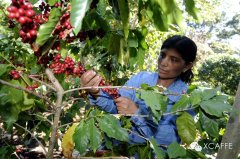
Guatemala Vivetna Fruit producing area Guatemala Coffee with High Acid quality
Boutique coffee (specialty coffee) is also called specialty coffee selection coffee. It refers to coffee made from a small number of raw beans with excellent taste grown in an ideal geographical environment. Depending on the special soil and climatic conditions in which they grow, they have outstanding flavor. After strict selection and classification, this kind of coffee is hard in texture, rich in taste and stylish.
2016-06-25 Guatemala Viv Tenan producing area Coffee Origin High Acid Fine Coffee
Basic chemical reactions of coffee beans during coffee roasting
Many thermal and chemical reactions take place during baking: decarbonation, dehydration of quinic acid, subdivision, isomerization, polymerization, and complex sugar reactions (caramelization). The main components of the thermal reaction are monosaccharides and sucrose, chlorogenic acid, free amino acids, and fenugreek amide. Both aravinose and calactose in the polysaccharides are transferred, and the basic vulcanization process includes hydroxylamine.
2015-03-16 Coffee roasting process coffee beans raw basic chemical reaction
How does the coffee taste when it's deep roasted?
Deep roast coffee differs from other coffees in the mixing process of the basic tastes. Due to the intense thermal decomposition of coffee beans, most of the sugar in coffee is broken down. Loss of sweetness in taste. Due to the addition of carbolic compounds, sweetness is replaced by bitterness. Bitterness is often misunderstood. Bitterness in food is often regarded as something bad. However, in certain foods,
2016-06-01 depth roast come out coffee taste how various
The basic chemical reactions that take place during coffee roasting
Many thermal and chemical reactions take place during baking: decarbonation, dehydration of quinic acid, subdivision, isomerization, polymerization, and complex sugar reactions (caramelization). The main components of the thermal reaction are monosaccharides and sucrose, chlorogenic acid, free amino acids, and fenugreek amide. Both aravinose and calactose in the polysaccharides are transferred, and the basic vulcanization process includes hydroxylamine.
2014-08-21 Coffee roasting process medium hair raw basic chemical reaction
The basic chemical reactions that take place during coffee roasting.
Many thermal and chemical reactions take place during baking: decarbonation, dehydration of quinic acid, subdivision, isomerization, polymerization, and complex sugar reactions (caramelization). The main components of the thermal reaction are monosaccharides and sucrose, chlorogenic acid, free amino acids, and fenugreek amide. Both aravinose and calactose in the polysaccharides are transferred, and the basic vulcanization process includes hydroxylamine.
2015-01-08 Coffee common sense baking process medium hair raw basic chemical reaction passing
The basic chemical reaction of coffee technology in the process of coffee roasting
Many thermal and chemical reactions take place during baking: decarbonation, dehydration of quinic acid, subdivision, isomerization, polymerization, and complex sugar reactions (caramelization). The main components of the thermal reaction are monosaccharides and sucrose, chlorogenic acid, free amino acids, and fenugreek amide. Both aravinose and calactose in the polysaccharides are transferred, and the basic vulcanization process includes hydroxylamine.
2014-10-09 Coffee knowledge coffee technology coffee roasting baking chemical reaction
Key points of coffee roasting techniques: basic chemical reactions that take place during coffee roasting
Basic chemical reactions that occur during coffee roasting author: Carl Staub originates from the SCAA baking color classification system, developed by Agtron SCAA 1995 original text from: http://www.sweetmarias.com/roast.carlstaub.html translation: Grant, http://www.baristacn.com/forum/thread-1583-1-1.html in the roasting process
2015-12-16 Coffee roasting techniques key points process medium hair raw basic chemical reaction
The basic Chemical reaction of Coffee Baking process
Original: Basic Chemical Reactions Occurring in the Roasting Process by Carl Staub sourced from the SCAA Roast Color Classification System developed by Agtron-SCAA in 1995 Many thermal and chemical reactions occur during the roasting proces
2015-01-27 Coffee roasting process basic Chemical reaction Chinese-English Bilingual Translation original B