“Green Plant” search results (1000)

Leaves and flowers of coffee
Coffee leaves opposite, usually two rows spreading, individual single leaf whorl, petiole short, leaf leathery, green (dark green on the upper surface, light green on the lower surface). Glossy oval, oval to long oval. The leaf size of small-grain coffee is relatively uniform, the leaf is small and the end is longer, and the leaf edge wave is obvious, about 12-16 cm long and 5-7 cm wide. The leaves of the medium grain species are long and large, soft and thin.
2014-08-07 Coffee coffee opposite leaves opposite general biseriate spreading individual single leaf whorl
What are the benefits of green coffee?
1: UTZ Certification UTZ is an independent certification body that certifies coffee with traceability. UTZ means good in Quiche (a Mayan language), so UTZ-certified coffee is good coffee. UTZ member companies at each link in the coffee supply chain can view each batch of UTZ certified coffee beans as they move through the supply chain: from the estate to everywhere.
2016-06-08 coffee green beans which related certified boutique UTZ mutual one
Beijing HOME CAFE Cafe
The house that looks like a plant store is actually Home Caf, a coffee shop in Beijing. It is designed by Beijing Penda Studio. Penda Studio was commissioned by Hongkun Group to design a store concept for their coffee brand Home Caf to provide a place to breathe freely in China's heavily polluted areas. Living in Beijing today, you can
2015-09-16 Beijing HOME CAFE coffee shop this it seems plants shops houses
Species Planning of Coffee beans in Kenya
1) Common classification: hand-picked coffee fruit, picked by hand, picked out immature fruit (unripe), overripe fruit (overripe) and other defects, peeled, after about 36 hours of fermentation, placed on a metal grid for sun drying, in the processing plant to remove the seed shell (parchment), become a blue-green appearance of attractive Kenyan raw beans. These beautiful raw beans, roots
2016-06-02 Kenya coffee beans species planning common classification manual picking coffee classics
Then use 16 ways of coffee grounds to grow coffee, green barista's gift.
1. Fertilizer adding coffee grounds to the soil of the flowerpot may make your plants very happy, whether it is sprinkled directly on the soil surface or made into spray water, it will be good for plant growth. 2. Deodorant put the remaining coffee grounds in a bowl or in the refrigerator to remove the smell, or use it to remove the smell from your hands. 3. Repair scratched furniture, some water and coffee grounds
2016-04-16 Reuse coffee 16 methods planting environmental protection green gifts fertilizer
Then use 16 ways of coffee grounds to grow coffee, green barista's gift.
1. Fertilizer adding coffee grounds to the soil of the flowerpot may make your plants very happy, whether it is sprinkled directly on the soil surface or made into spray water, it will be good for plant growth. 2. Deodorant put the remaining coffee grounds in a bowl or in the refrigerator to remove the smell, or use it to remove the smell from your hands. 3. Repair scratched furniture, some water and coffee grounds
2016-04-16 Reuse coffee 16 methods planting environmental protection green gifts fertilizer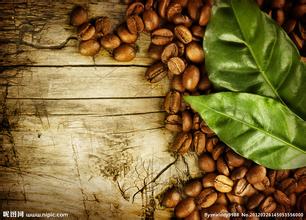
Flavor description of Ethiopian Coffee Manor with excellent texture introduction of varieties in producing areas
Growing in the southernmost Ethiopian plateau at an altitude of 4600-7200 feet (Sidamo province), southeast of Jima, just south of the capital, usually sweet, but also loved by most people, its annual output is about 225000bags/60kg, bean body is smaller than Longberry, green with ash, in the Sidamo sun drying field, coffee is placed in a hemp net wooden frame, workers take turns in the sun exposure, manual
2016-09-26 Taste viscosity excellent Ethiopia coffee manor flavor description producing area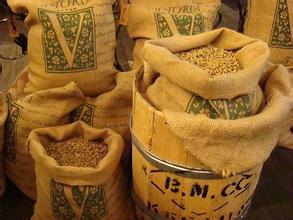
Introduction of washed coffee types and methods of various coffees in Mushuyi treatment plant in western Rwanda
Points: See a friend said to buy coffee powder directly, I personally recommend people in large and medium-sized cities, conditions or buy fresh coffee beans to grind their own is better. To make a good cup of coffee, the most fundamental thing is to have fresh high-quality coffee beans; hand grinding to buy some, you can ensure that the coffee powder is evenly thick. If the grinding is uneven, it will make the coffee taste bad.
2016-04-20 rwanda western province musu processing plant washing coffee species presentation various
Introduction to the Flavor and Taste of Coffee in Xidamo Shachiso area of Ethiopia
Ethiopia is rectangular, with a ratio of length to width of 3:2. From top to bottom, it is composed of green, yellow and red parallel equal horizontal rectangles, with the national emblem in the middle of the flag. Since the end of the 19th century, Ethiopia began to use the green, yellow and red cross-striped national flag. In modern history, Ethiopia is the first African country to join the forest of free nations. [8] to this century
2016-09-24 Ethiopia Dharma Shaquiso producing areas Coffee Flavor Taste characteristics Fine products
Ganoderma lucidum, apricot and abalone mushrooms grow on coffee grounds
One cup of coffee a day has become a habit of more and more young people. Can the leftover coffee grounds be turned into a treasure? A survey of college students from the Entrepreneurship Center of Shanghai University of Finance and Economics found that coffee grounds contain the cellulose needed for mushroom growth and can be used to cultivate fungi. They not only developed a culturable mushroom bag, but also gave it to low-income people for free to help them generate an average income of 520 per month.
2015-08-06 Coffee growing Ganoderma lucidum apricot abalone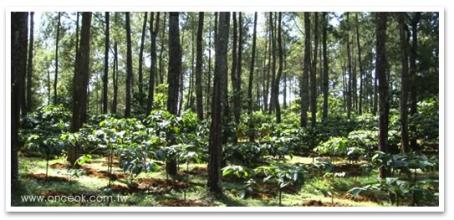
Iron pickup or bourbon in Tarazhu, Costa Rica? Iron pickup coffee beans
Iron pickup "Typica" iron pickup, the name sounds majestic and powerful, but in fact it is not so strong. It has a weak physique, poor disease resistance, easy to catch rust leaf disease, and produces less fruit. It is one of the oldest native varieties in Ethiopia, and many Arabica are derived from iron pickups! The parietal leaf of the iron pickup is bronzed, and the bean grain is large, pointed, oval or thin.
2016-04-22 Costa Rica Tara producing area pickup or bourbon coffee beans Ty
Coffee Flavor Description Grind Taste Characteristics Variety
It grows in the southern Ethiopian plateau at an altitude of 5,700 - 7,800 feet, located in the northwest of Sidamo Province, near Abaya Lake. It is usually sweeter and more popular than most people. It produces about 225000bags/60kg per year. The beans are smaller than Longberry, greenish and grayish in color. Most of them are washed. In the washing plant, the coffee fruits are fermented in storage tanks filled with water after harvest. Workers
2016-10-08 lemon citrus Dharma charchesot appellation coffee flavor description grind taste
Fruit to raw coffee beans
A coffee tree can harvest 3-5 kg of fruit, and raw coffee beans account for 1. 5% of the fruit quality. Going from fruit to raw coffee beans is really a time-consuming and laborious task. Arabian, Robusta and Liberian Arabian coffee account for about 2% of the world's coffee production. The plant is not suitable for high temperature, low temperature, more rain and less rain. Coffee beans are oval and flat, with high quality
2014-09-29 Raw coffee beans coffee fruit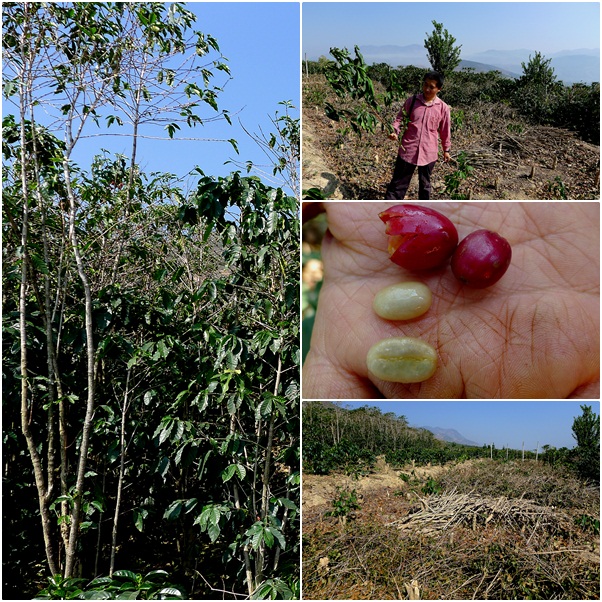
Is it Robusta or Arabica? Coffee bean variety Rwanda washing treatment bourbon variety
Coffee has more than a hundred varieties of coffee, the more common coffee are: Arabica Arabica, outstanding personality, unique flavor, is the main force of boutique coffee, mainly used for coffee shop management and high-end coffee market supply; Robusta Robusta, rough flavor, high caffeine content, not boutique coffee, often used for instant coffee processing and Italian coffee mixed beans. Ethiopia Typi
2016-04-22 Robes Booth or Rabbi Card Coffee beans varieties Rwanda washing
How much coffee can be produced by each coffee tree? how long does it take to plant coffee?
The first flowering period of the coffee tree is about three years. The five-petal tube-shaped white flowers are filled with a faint scent of jasmine, and the inflorescences are arranged in dense clusters. It will wither after two or three days of flowering and begin to bear fruit after a few months. The fruit is a drupe with a diameter of about 1.5 cm, which is green at first, then turns yellow gradually, and turns red when ripe, so it is very similar to cherries.
2016-10-17 Coffee each tree can how much need plant how long coffee for the first time open
Types and varieties of coffee
Coffee is a plant of the genus Coffea genus of Rubiaceae. According to the study of Chevalier,1947, there are 66 species in four groups, including 24 species in Eucoffea group, 18 species in Mascarocoffea group, 13 species in Paracoffea group and 11 species in Argocoffea group.
2014-07-22 Coffee knowledge coffee type coffee encyclopedia
Types and varieties of coffee
Coffee is a plant belonging to the genus Coffea in the Rubiaceae family. According to Chevalier (1947), the genus Coffea is divided into four groups with 66 species, including 24 species in Eucoffea group, 18 species in Mascarocoffea group, 13 species in Paracoffea group and 11 species in Argocoffea group
2014-07-04 Coffee knowledge coffee types coffee varieties coffee encyclopedia
An introduction to Sumatra Coffee Manor, a boutique coffee bean producing area in Ethiopia
Growing in western Ethiopia, 4900-5900 feet (Wollega province) plateau, north of Jima, mostly wild, annual output is about 500000bags/60kg, export is mostly G5/G4, bean body is larger and longer than Longberry, a little brown in green, taste similar to less jasmine tea, more bitter, lack of rising Hara, slightly sour, slightly fruity and wine aroma, but slightly inferior to Hara.
2016-07-11 Ethiopia boutique coffee beans producing areas Sumatra coffee manor introduction
Grade planning of coffee beans in Kenya
Common classification: hand-picked coffee fruit, picked by hand, picked out immature fruit (unripe), overripe fruit (overripe) and other defects, peeled, after about 36 hours of fermentation, placed on a metal grid for sun drying, in the processing plant to remove the seed shell (parchment), become a blue-green appearance of attractive Kenyan raw beans. These beautiful raw beans, according to one
2016-06-06 Kenya coffee beans grades planning common classification manual picking coffee classics
Coffee legend Coffee the origin of this plant dates back millions of years
The origin of coffee plant can be traced back to millions of years ago, in fact, it was discovered in the real age is not known, only legend coffee is Ethiopia Heights a shepherd named Kaldi (Kaldi), when he found his sheep accidentally ate the fruit of a plant, became very lively and energetic, from the discovery of coffee. All historians seem to agree.
2015-09-18 Coffee Legend Plant Origin Dating Millions of years ago From