“Goss” search results (213)
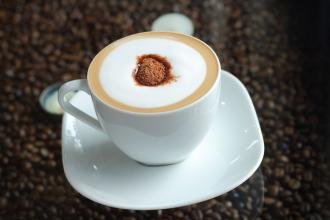
Introduction to the Galapagos Islands Coffee producing area Santa Cruz Island
In the early 1990s, however, the Gonzalez family bought Hasunda Coffee Park. The local microclimate caused by the Humboldt current (Humboldt Current), strong equatorial sunlight and sharp temperature changes (43 ℃ at sea level and 10: 16 ℃ at 275m above sea level) provide a unique advantage, prompting the Gonzalez family to expand its coffee.
2016-06-20 Lapa Goss archipelago coffee producing areas introduction Crewe Zizi Island and in the 20th century
Taste rich, sour and sweet Galapagos coffee flavor, characteristics, taste and manor introduction
In 1875, Ecuador's indigenous ManuelJ.Cobos began to grow Arabic bourbon coffee trees in the Hasunda Coffee Garden (HaciendaElCafetal) in San Cristobal. Coffee production in the Galapagos Islands: coffee is grown in San Cristobal (SaintCristobal). In the Hasunda Cafe Garden (HaciendaElCafetal) in San Cristobal
2016-08-30 Taste rich sour sweet Lapa Goss coffee flavor specialty manor
Ecuadorian coffee beans introduce Galapagos Coffee Santa Cruz Manor
As coffee is consumed by people all over the world, the world coffee industry is also moving towards mass production, while St. Cristobal, a small and unreliable coffee industry, is in trouble and is likely to be forced to give up without profit. It wasn't until the early 1990s that the Gonzalez family bought Hasunda Coffee Park. Humboldt current (HumboldtC
2016-07-20 Ecuador coffee beans introduction Lapa Goss coffee Crewe manor with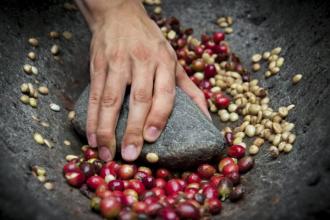
Taste rich and sour with sweet Galapagos coffee flavor, characteristics, taste and manor introduction
In 875, Ecuador's indigenous ManuelJ.Cobos began to grow Arabic bourbon coffee trees in the Hasunda Coffee Garden (HaciendaElCafetal) in San Cristobal. Coffee production in the Galapagos Islands: coffee is grown in San Cristobal (SaintCristobal). In the Hasunda Cafe Garden (HaciendaElCafetal) in San Cristobal
2016-08-31 Taste rich sour sweet Lapa Goss coffee flavor specialty manor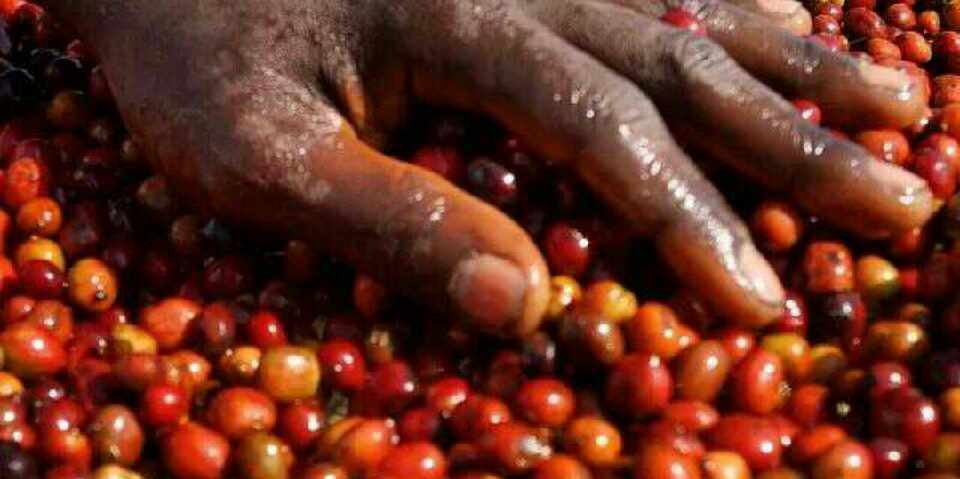
The sweetness of the fruit makes people forget the flavor, characteristics, taste and manor of Costa Rica Saint Roman Coffee.
Coffee cherries are hand-selected by coffee farmers to remove overripe or immature cherries, and then produce them. A 3-disc aagaarde peeling machine is used to remove the peel and pulp, and then the machine is divided into three grades according to the density of coffee beans. Grade 1 and 2 raw beans are fermented separately, while grade 3 is low-quality raw beans. The raw beans were fermented in a cool place for about 24 to 36 hours.
2016-09-01 Fruit sweetness let people forget Goss Dani saint Roman coffee flavor
Introduction of Galapagos Coffee Bean producing area-San Cristobal
St. Cristobal is a larger island in the Galapagos Islands (Galapagos Islands) and the only one in the archipelago with plenty of fresh water. At an altitude of 410m, there is a small lake called El.Junco. Several streams flow along the rocks and volcanic rocks on the southern slope of the island. Shengke is nourished by mineral-rich fresh water.
2016-06-16 Lapa Goss coffee beans producing areas introductions Crystal Val WA
Introduction to Galapagos Islands Coffee with rich taste, sweet in sour and medium roast
Flavor: taste rich, sour and sweet suggested baking method: medium roasting ★★★: excellent Galapagos Islands Coffee Market: due to the unique role of the Galapagos Islands in the historical process, the Ecuadorian government has turned the Galapagos Islands into a national park, no longer allowed to reclaim the land for new agricultural land, and strictly forbids the introduction and use of chemical fertilizers, pesticides and herbicides
2016-06-20 Taste rich sour sweet medium baked taste excellent Lapa Goss
The sweetness of the fragrant fruit makes people forget the flavor, characteristics and taste of Costa Rican Saint Roman coffee.
Coffee cherries are hand-selected by coffee farmers to remove overripe or immature cherries, and then produce them. A 3-disc aagaarde peeling machine is used to remove the peel and pulp, and then the machine is divided into three grades according to the density of coffee beans. Grade 1 and 2 raw beans are fermented separately, while grade 3 is low-quality raw beans. The raw beans were fermented in a cool place for about 24 to 36 hours.
2016-08-30 Fragrance fruit sweetness let people forget Goss Dani plus saint Roman coffee
Galapagos Islands Coffee producing area Flavor introduction to Galapagos Islands Santa Cruz Island
The coffee beans produced in Ecuador's Galapagos Islands are organic coffee beans, thanks to the unique ecological environment such as volcanic soil and microclimate, coupled with the fact that they do not use any chemical fertilizers or pesticides, they are recognized as natural green boutique coffee. this naturally grown coffee has a mild taste with a hint of flowers and fruit and caramel. It is understood that the Galapagos Islands are far from Eritrea.
2016-06-20 Lapa Goss Islands Coffee producing area Flavor introduction Crewe Z Island Ecuador
Boutique coffee beans Costa Rican coffee introduction to the latest coffee unique flavor
The coffee beans produced in the high latitudes of Costa Rica are famous in the world, full-bodied, mild in taste, but extremely sour. The coffee beans here have been carefully processed, which is why there is high-quality coffee. Tarasu, located in the south of SanJos, the capital of Costa Rica, is one of the most valued coffee growers in the country. Tarasu (Tarrazu) in the world
2015-12-30 Boutique coffee beans Costa Rica coffee latest introduction flavor unique Goss
The Galapagos Islands, a major coffee producer in South America
The coffee flavor is more balanced and neutral, moderately mellow, with a little obvious but pleasant acidity, and has a special aroma. However, because it is rarely seen on the market, not many people talk about this coffee. South America-Peru (Peru) well-known representative coffee: Peru (Peru) Peru is one of the major coffee producers in South America, and coffee is Peru's largest export agricultural product, in recent years.
2016-06-17 South America yes coffee producing country Lapa Goss archipelago flavor balance
Galapagos Coffee San Cristobal area of excellent quality
In 1875, the Ecuadorian native Ma Covos planted about 100 hectares of Arabian bourbon coffee trees at the Hasunda Coffee Garden (Hacienda El Cafetal) in San Cristobal. The elevation of the plantation is between 140m and 275m, and the climate in this area is equivalent to that of 910m to 1830 m inland. This gradient is very suitable for super hard coffee with high acidity.
2016-06-18 Quality excellent Lapa Goss Coffee Crystal Val producing area 1875
Introduction to Ecuador Arabica Coffee in South America Hassendaca, Santa Cruz Island, Galapagos Islands
The coffee beans produced in Ecuador's Galapagos Islands are organic coffee beans, thanks to the unique ecological environment such as volcanic soil and microclimate, coupled with the fact that they do not use any chemical fertilizers or pesticides, they are recognized as natural green boutique coffee. this naturally grown coffee has a mild taste with a hint of flowers and fruit and caramel. It is understood that the Galapagos Islands are far from Eritrea.
2016-06-27 South America Ecuador Arabia Coffee introduction Lapa Goss Islands Crewe
Introduction of coffee, coffee and bean producing countries in the Galapagos Islands
Coffee is grown in San Cristobal (Saint Crstbal). St. Cristobal is a larger island in the Galapagos Islands (Galapagos Islands) and the only one in the archipelago with plenty of fresh water. At an elevation of 410m above sea level, there is a small lake called El.Junco, which forms several streams along the rocks and
2015-04-15 Rapa Goss Islands Coffee beans country of production introduction Coffee cultivation Crystal
San Cristobal, the Galapagos coffee producing area of Ecuador with a unique ecological environment.
The coffee beans produced in Ecuador's Galapagos Islands are organic coffee beans, thanks to the unique ecological environment such as volcanic soil and microclimate, coupled with the fact that they do not use any chemical fertilizers or pesticides, they are recognized as natural green boutique coffee. this naturally grown coffee has a mild taste with a hint of flowers and fruit and caramel. It is understood that the Galapagos Islands are far from Eritrea.
2016-06-28 Natural thick Ecological Environment Ecuador Lapa Goss Coffee producing area Kerry
Introduction to the flavor and taste of Galapagos coffee beans roasted in sour and sweet range
Galapagos Islands Coffee features: coffee produced in the Galapagos Islands (Galapagos Islands) is a treasure of coffee with excellent quality and is grown without any chemical agents. Flavor: rich taste, sweet and sour suggested baking method: medium roast ★★★: excellent Galapagos Islands Coffee Market: due to the history of the Galapagos Islands
2016-07-21 Sour sweet Lapa Goss coffee beans roasting origin flavor taste manor
Galapagos Coffee Flavor of Ecuador Coffee introduction to the characteristics of Ecuadorian coffee beans
In addition, creative coffee made from Ecuadorian coffee beans with unique flavor is also popular with consumers. Mr. Veniso, the champion of the 2014 Ecuador Coffee Competition, won the Ecuador Coffee Competition with his creative formula. One espresso has a fresh and unique taste with mint grass from the Amazon, while the other adds Rolls in roses
2016-07-27 Ecuador boutique coffee Lapa Goss flavor introduction coffee beans characteristics
Galapagos archipelago coffee treasures from the hometown of giant turtles
Coffee treasures from the hometown of giant turtles, which are of excellent quality and do not use any chemicals when growing. Coffee is grown in San Cristobal (SaintCrstbal). St. Cristobal is a larger island in the Galapagos Islands (GalapagosIslands) and the only one in the archipelago with plenty of fresh water. At 410 meters above sea level on the island
2016-05-17 Lapa Goss archipelago coffee from giant turtles hometown treasures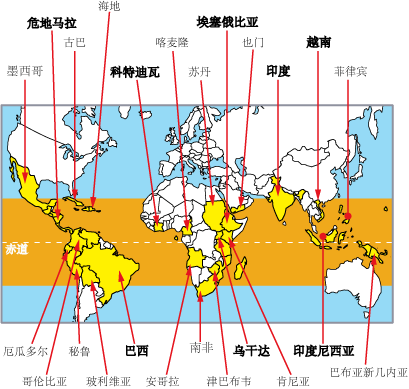
There are 53 coffee producing areas in the world. Galapagos Group, Galapagos Islands
Galapagos Islands Galapagos Islands coffee treasures from the hometown of giant turtles, this coffee treasure is of excellent quality and is grown without any chemicals. Coffee is grown in San Cristobal (Saint Crstbal). St. Cristobal is a larger island in the Galapagos Islands (Galapagos Islands) and the only light one in the archipelago.
2016-03-23 Coffee origin global 53 Lapa Goss archipelago Galapago
Introduction of Ecuador Galapagos coffee beans with balanced acidity and fragrant fragrance
As coffee is consumed by people all over the world, the world coffee industry is also moving towards mass production, while St. Cristobal, a small and unreliable coffee industry, is in trouble and is likely to be forced to give up without profit. It wasn't until the early 1990s that the Gonzalez family bought Hasunda Coffee Park. Humboldt current (HumboldtC
2016-06-23 Acidity balance aroma fragrance Ecuador Lapa Goss coffee beans introduction