“Global coffee cultivation” search results (700)

Exquisite Central American Coffee wins Global praise
Central America is one of the four largest coffee producing regions in the world, so because of the differences in microclimate and different handling methods, Central American coffee is as wonderful as the world. Overall, Guatemala has a beautiful sour taste; Honduras has a balanced taste; El Salvador has a chocolate flavor; Nicaragua has a fruity flavor; Panama has a delicate fruit flavor of geisha coffee, also because
2015-11-24 Central America exquisite coffee global high praise world big four production
Mexico, the global coffee producer
Mexico, the fourth largest coffee producer in the world, produces about 5 million bags of coffee a year. Most of its coffee is produced by nearly 100000 small farmers, and large estates that once manipulated the coffee industry are rare. The yield of Mexican coffee is about 630 kg per hectare. Later, the Mexican Coffee Association (Instituto Mexicano del Caf, Inmecafe for short)
2014-09-11 Global coffee producing area Mexico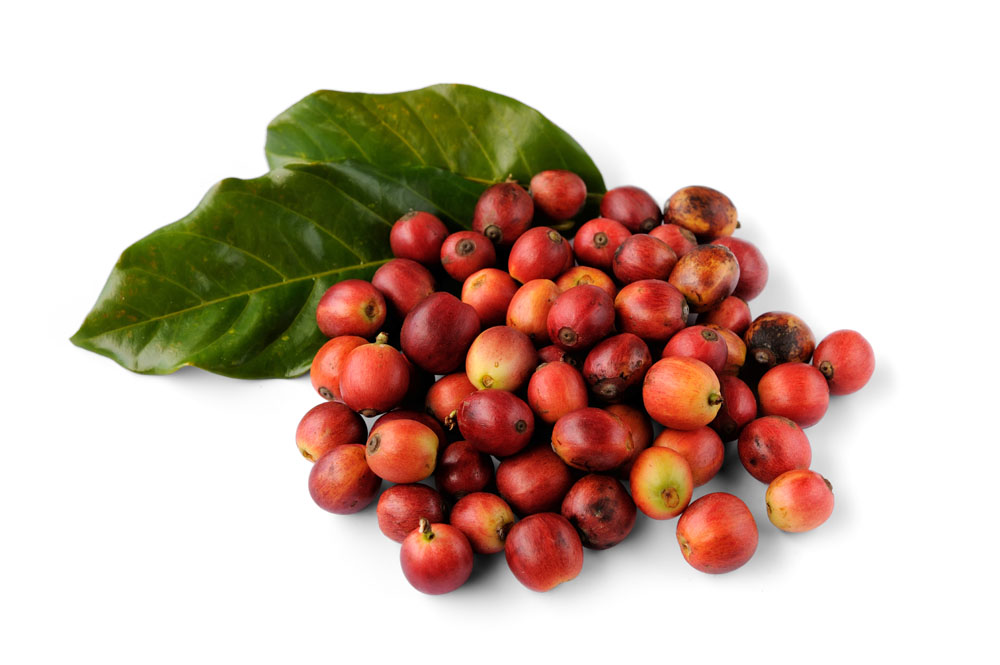
4C Association Coffee Certification sets up 4C Association Fine Coffee beans
4C certification is a widely accepted management rule in the world, which involves the sustainable development of coffee cultivation, production, processing and other aspects of the supply chain, including social, environmental and economic principles. Coffee practitioners are required to protect biodiversity, protect all kinds of national endangered animals and plants, correctly use and handle pesticides and other chemicals, protect the natural environment and
2016-07-26 Association Coffee Certification Establishment boutique Coffee beans
Cultivation of Coffee and Cultural Coffee trees
Coffee cultivation now, in the belt between the Tropic of Cancer and the Tropic of Cancer, coffee is widely grown. Coffee grown in different regions has different flavors. The unique soil, climatic conditions and planting methods of a country make the coffee produced in that country have a unique flavor. French winemakers call this phenomenon regional style. Geographically, a global coffee growing area
2015-03-13 Coffee culture planting coffee now Tropic of Cancer occasional ribbon ground
Global Coffee Origin-Papua New Guinea
The 1975 frost destroyed most of Brazil's coffee crop, but spurred coffee growth in Papua New Guinea. The Government has introduced a scheme to finance the creation of coffee plantations of approximately 20 hectares by rural or collective landowners. This measure has indeed increased the penetration of coffee cultivation into the local economy, resulting in an increase in annual coffee production. Papua New Guinea
2015-08-24 Global Coffee Origin Papua New Guinea
The production of coffee beans in the world's major coffee exporters
The output of the world's major coffee exporters is on a downward trend due to various factors, while global coffee demand is rising again. Some analysts pointed out that this will lead to an annual increase of about 20% in international coffee bean prices in the next few years. With the discovery and development of new producing areas such as Yunnan, the distribution of coffee producing areas will be more dispersed, which will also be beneficial to the price of this commodity.
2015-09-10 World major coffee exporting country output coffee bean producing country situation world
Global coffee producing area-Tanzania
Due to political instability and rampant diseases and insect pests, the coffee industry in Tanzania has been damaged, leading to a decline in the overall level of coffee and instability in quality, which in turn lead to lower prices, which are usually the result of a further decline in the coffee industry. What's more, it is estimated that more than 12% of the Arabica coffee grown in northern Tanzania from 1969 to 1985 was smuggled.
2015-08-24 Global coffee origin Tanzania due to political instability coupled with diseases and insect pests
Global coffee producing area-Tanzania
Due to political instability and rampant diseases and insect pests, the coffee industry in Tanzania has been damaged, leading to a decline in the overall level of coffee and instability in quality, which in turn lead to lower prices, which are usually the result of a further decline in the coffee industry.
2014-06-17 Coffee knowledge Tanzania coffee producing area coffee encyclopedia
Coffee cultivation and export in Venezuela San Cristobal region
The coffee industry in Venezuela has been shrinking in recent years. The government encourages coffee cultivation by introducing new varieties and providing loans to farmers. Venezuelan coffee production accounted for more than 7% of global coffee production in the 19th century, but since the discovery of oil in the early 20th century, the coffee industry has been in decline. At present, Venezuelan coffee production accounts for less than 1% of the world's output.
2016-07-01 Venezuela coffee cultivation and export situation introduction Crystal Val
Introduction to the Global Coffee growers-- the characteristics of Tanzanian Coffee
Due to political instability and rampant diseases and insect pests, the coffee industry in Tanzania has been damaged, leading to a decline in the overall level of coffee and instability in quality, which in turn lead to lower prices, which are usually the result of a further decline in the coffee industry. What's more, it is estimated that more than 12% of the Arabica coffee grown in northern Tanzania from 1969 to 1985 was smuggled.
2016-03-25 Global coffee planting introduction Tanzania characteristics due to political situation no
Cultivation conditions in Nicaragua SHG grade the most classic flavor of traditional coffee varieties
The global trend of modern coffee has gone through three popular stages: the first stage is the popularity of cheap coffee represented by instant coffee from the post-World War II to the 1960s; the second stage is the popularity of commercial coffee represented by Starbucks from the 1960s to the beginning of this century; the third stage is the popularity of boutique coffee, which originated in the 1970s and has become a trend in the past decade.
2016-06-20 Nicaragua planting condition SHG grade Classic Flavor tradition
Only "4C" beans are selected when purchasing coffee beans in Yunnan.
Coffee is one of the most popular drinks in the world today, with global consumption of more than 1.5 billion cups a day. Today, Nestle Coffee is almost synonymous with coffee because the world consumes 4600 cups of Nestle coffee per second. In order to meet consumer demand, Nestl é has set up 26 Nestle coffee production plants around the world, two of which are located in China. After several years of training and preparation, since
2014-11-25 Coffee News Yunnan Coffee Nest Coffee
Chinese Coffee Market Yunnan Coffee goes from here to the World
At the end of November, the southern border city of Pu'er was full of flowers and lush. Invited by Nestl é, a group of more than 20 media interviews from all over the country came here to visit coffee picking, processing and purchasing. In-depth understanding of Yunnan coffee from scratch, and then to become a high-quality small seed coffee producing area of global concern. An unremarkable meeting in the Nestle Agricultural Service Department.
2014-12-06 China Coffee Market Yunnan here to the World late November South Border
Global coffee producing area-Australia
Coffee trees began to be planted in Queens land, Australia (Australia) in 1896. Australia is an amazing country in many ways. The high-quality coffee grown here is perhaps one of the most amazing things. Coffee production in Australia: Coffee is now farmed from Nimbin and Lismore, in New South
2014-07-09 Coffee origin Australia boutique coffee producing area
Yunnan coffee smells good all over the world.
In the face of the decline in the output value of some of the larger coffee production in the world this year, Yunnan coffee will take this opportunity to open up the global market, and the output value of coffee in the province is expected to break through the 100 million US dollars mark by the end of the year. Xiong Xiangjin, president of Yunnan Coffee Industry Association, said here today. Yunnan, as China's largest coffee export base, accounts for 95% of the country's total exports, making Yunnan coffee.
2014-08-06 Yunnan coffee fragrance global face this year the world part bigger
Panamanian Coffee processing method Honey treatment and traditional washing
Panamanian coffee originated in 1780, when European immigrants introduced the first Tipica tree species. Located in Central America, with the natural advantages of sunshine, land and mountains, coupled with a sufficient working population, the region is an excellent area for growing and producing high-quality boutique coffee, and it is a paradise for coffee. In particular, the Geisha coffee from Panama has led to the global customs.
2016-05-16 Boutique coffee Panama treatment way method tradition washing
Vega, a new generation of pioneers in the field of boutique coffee, changes ordinary consumers and coffee cultivation.
Coffee is our beloved, and global coffee consumption has nearly doubled in the past 40 years, with an average of 2.25 billion cups of coffee consumed every day, of which about 400 million cups are consumed in the United States alone. But do you know where coffee comes from, how it is made, and how it becomes a delicacy in our cups? In order to change the mass consumer
2016-07-07 New generation boutique coffee field pioneer Vega company change ordinary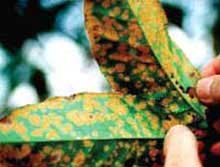
Knowledge points of coffee cultivation: factors affecting coffee tree growth and coffee bean quality leaf rust
Image: the shift of google from traditional shading to sun exposure may be the main cause of large outbreaks of coffee leaf rust on coffee farms in Central America and Mexico. Coffee leaf rust was discovered in Central America as early as 40 years ago, but recent outbreaks in Central America (Colombia, Costa Rica, El Salvador, Guatemala, Nicaragua) and Mexico are by far the most
2016-01-08 Coffee planting knowledge essentials influence growth coffee beans quality factors leaf rust
Global Coffee producing area-Ethiopian Coffee Market
The coffee tree originated in Ethiopia, which was originally a wild plant here, and the name coffee comes from the Ethiopian town of Kaffa. Humans may have known how to grow coffee trees as early as the 9th century. Coffee producing area in Ethiopia: many coffee trees in Ethiopia are still wild plants, and the coffee grown on this coffee tree is full of grains.
2015-08-24 Global coffee origin Ethiopia market
Global coffee producing area-Ethiopia
The coffee tree originated in Ethiopia, which was originally a wild plant here. The name "coffee" comes from the Ethiopian town of "Kaffa". Humans may have known how to grow coffee trees as early as the 9th century.
2014-06-17 Coffee knowledge Coffee Origin Coffee Encyclopedia Ethiopia