“Export Trade” search results (300)

Introduction to Arabica Coffee in Fine Colombian Coffee
Colombian Coffee growers High quality Coffee Arabica Coffee in Colombian Coffee Arabica Coffee has to be mentioned in Colombian coffee species (scientific name Coffee Arabica). Arabica coffee trees grow between 900m and 2000 m above sea level; they are hardy, and the suitable growth temperature is 1524 ℃; they need more humidity and the annual rainfall is not less than 1500 mm.
2016-07-05 Boutique Columbia coffee medium premium rabbi card introduction Colombia
Coffee production and processing in Ethiopia
Ethiopian people are addicted to coffee. In 2003, domestic consumption accounted for 42.3% of the total output, with a per capita consumption of 3 kg. But more than half of the coffee produced each year is used for export to earn foreign exchange. The main exporters include the United States, Italy, the United Kingdom, Sweden, Norway, Greece, France, Belgium, Germany and Australia. Before 1974, the right to produce, process and trade coffee was controlled by
2016-06-08 Ethiopia coffee introduction production processing methods
Colombian Huilan Coffee Grinding method introduction to the taste characteristics of fine coffee in producing areas
The pure taste of Colombian coffee, in addition to the natural environment with the most favorable conditions for coffee growth, is inseparable from the hard work of local growers. In Colombia, coffee cultivation has reached 1.07 million hectares, there are about 302000 coffee plantations in the country, and 30 to 40 per cent of the rural population depends directly on coffee production. There are many farms in Colombia, but
2016-10-13 Colombia Huilan Coffee Grinding processing Variety producing area Taste characteristics essence
Introduction to the products, types and quality of coffee all over the world
⑴ Mogaga actually used to be the place of export of Arabica coffee, not the place of origin. Now the trade export port of Arabica coffee has been transferred to southern Asia.
2016-06-03 Around the world coffee products types quality introduction
Introduction to Brazilian Coffee
Today, Brazil is the world's largest coffee producer. About 25% of the world's coffee comes from Brazil, which affects the development of the world coffee industry. Brazilian coffee is mainly grown in Parana, Santos Jing, Sao Paulo, Minas Gerais and Bahia. Most of the farms in these areas are less than ten hectares.
2014-07-02 Coffee knowledge Brazilian Coffee Coffee Encyclopedia
Coffee beans (Coffee Bean)
As the most widely consumed drink in the world, coffee seed has become a very important commodity crop and an important export product, equal to more than 50% of the foreign trade volume of developing countries. The United States imports the largest amount of coffee in the world. In 2009, the average person in the United States consumed 4.09 kilograms of coffee. What is a coffee cherry? (Coffee Cherry) coffee beans (Coffe)
2014-08-14 Coffee beans boutique coffee beans coffee encyclopedia
Chenshi electric mocha pot for 3-6 people
[Origin]: export [specification]: capacity: 3-6 people power: 330W voltage: 220v frequency: 50hz weight: 1100g visual top pot and anti-skid handle design, fully experience the fun of coffee making, interest everywhere in the Italian original imported valve device, safety and security barrier unique spring powder trough design, automatic pop-up powder extraction is more convenient to clean and simple unique spring
2015-01-22 Chenshi electric mocha pot 3-6 people coffee maker origin foreign trade
Mocha coffee beans are derived from the flavor of mocha coffee beans in Mocha port.
The name Mocha Coffee comes from Mocha, a small town on the Red Sea in Yemen. This place monopolized the export of coffee in the 15th century, which had a particular impact on the coffee trade sold to the Arabian Peninsula. Mocha is also a chocolate-colored coffee bean (mocha from Yemen), which makes people associate coffee with chocolate, and develops chocolate espresso.
2016-05-09 Mocha coffee beans derived from port flavor mocha coffee name originated from bit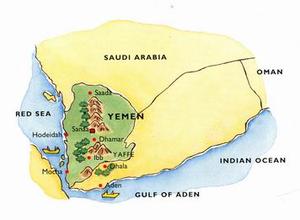
Details of coffee producing areas: the development status of coffee industry in Yemen
First, the history of Yemeni coffee (1) the origin of mocha coffee is in Yemen, the origin of mocha coffee is very wide, these coffees have their own characteristics and differences from quality to taste, but because these coffees have been shipped and exported from the port of Mocha in Yemen to markets around the world, they are collectively called mocha coffee. The port of Mocha is located along the Red Sea north of the Mande Strait.
2015-12-09 Coffee producing areas details introduction Yemen development status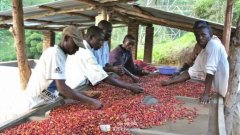
Yemeni coffee producing area of Asian coffee producing area
Mocha Mattari early Yemeni coffee was mainly exported from the port of Mocha, so the coffee that was later exported from here was named after Mocha. In Yemeni coffee, Mattari and Sanani are more famous, among which Matari tastes more full-bodied, with strong acidity and cocoa flavor, while Sanani has more
2015-01-08 Asia coffee producing areas Yemen boutique coffee beans place of production Mocha Matari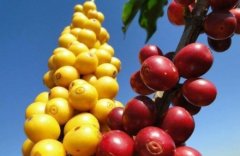
The Economic value of cultivated Coffee
Coffee is the second largest raw material product after international trade relay oil, and it is also one of the largest tropical food raw materials in the world. Coffee is most commonly used as a drink, and coffee consumption is the largest among the three largest drinks in the world. At present, there are hundreds of kinds of coffee-based foods, which are favored by consumers because of their convenience and nutrition. Because coffee contains starch and fat
2015-02-16 Coffee planting situation cultivation economy value coffee international trade relay stone
A basic introduction to mocha coffee
The name Mocha Coffee comes from Mocha, a small town on the Red Sea in Yemen. This place monopolized the export of coffee in the 15th century, which had a particular impact on the coffee trade sold to the Arabian Peninsula. Mocha is also a chocolate-colored coffee bean (mocha from Yemen), which makes people associate coffee with chocolate, and develops chocolate espresso.
2016-06-14 Mocha coffee basic introduction mocha name originated from located in Yemen
Coffee knowledge introduction to Brazilian coffee
Today, Brazil is the world's largest coffee producer. About 25% of the world's coffee comes from Brazil, which affects the development of the world coffee industry. Brazilian coffee is mainly grown in Parana, Santos Jing, Sao Paulo, Minas Gerais and Bahia. Most of the farms in these areas are less than ten hectares. According to the 2000 record, 71% of the farms in Minas Gerais are less than
2014-09-23 Coffee knowledge Brazilian Coffee Coffee Encyclopedia
Vietnam Kopi Luwak El Salvador Fire Phoenix Manor, Bali, Indonesia
The output of Fenghuang Coffee Manor is even more astonishing, up to 1700 kilograms per hectare. The export trade of dangerous Dimara coffee is controlled by private companies. Why do so many people like to drink coffee while the National Coffee Council (Asociacion Nacional de Cafe) controls other sectors of the coffee industry. At present, some of the best quality coffee export days in Guatemala
2016-05-22 Vietnam cat shit coffee El Salvador Indonesia Bali Fire Phoenix Manor
Fine single coffee Yemeni coffee beans
Yemeni Coffee Mocha is the earliest export port of Yemeni coffee beans, a well-known coffee named after a port in Yemen. The most familiar mocha coffee. When the word appears on the recipes of bags and cafes, the meaning is different. The former refers to the port where coffee beans are exported, while the latter refers to a kind of coffee. Strictly speaking, exported from the Yemeni port of Mocha
2014-07-22 Yemeni coffee beans boutique coffee beans Yemeni coffee beans prices
Introduction to the Flavor and Taste Manor of Ethiopian Fine Coffee beans
Ethiopian people are addicted to coffee. In 2003, domestic consumption accounted for 42.3% of the total output, with a per capita consumption of 3 kg. But more than half of the coffee produced each year is used for export to earn foreign exchange. The main exporters include the United States, Italy, the United Kingdom, Sweden, Norway, Greece, France, Belgium, Germany and Australia. Before 1974, the right to produce, process and trade coffee was controlled by
2016-08-01 Dried fruit fragrant Ethiopia boutique coffee beans flavor taste manor producing area
Brazil Coffee Introduction The world's largest coffee producer
Today, Brazil is the world's largest coffee producer, with around 25% of the world's coffee coming from Brazil, influencing the development of the world's coffee industry. Brazilian coffee is mainly grown in Parana, Santos, Sao Paulo, Minas Gerais and Bahia, where the vast majority of farms are less than ten hectares in size. According to 2000 records: 71% of farms in Minas Gerais are less than
2015-09-01 brazil coffee presentation world big producer country today
Introduction of Fine Coffee from Coffee Flavor Variety in Lazimus Manor, Colombia
Arabica species (scientific name Coffee Arabica) have to be mentioned in Colombian coffee species. Arabica coffee trees grow between 900m and 2000 m above sea level; they are hardy, and the suitable growth temperature is 1524 ℃; they need more humidity, and the annual rainfall is not less than 1500 ml. At the same time, they also require higher cultivation techniques and conditions. So you can handle it now.
2016-09-24 Columbia Raz Moss Manor Coffee Flavor Variety producing area characteristics essence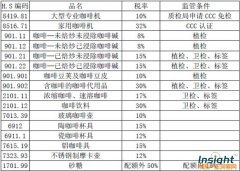
Policy Analysis of Coffee Industry in Cafe
According to the relevant laws of China, coffee beans and their peripheral products (except sugar) are free trade goods. The relevant policies and regulations related to the import of coffee beans in China mainly include: (1) the import tax rate and regulatory conditions are related to the import tax rate and regulatory conditions. Professional coffee machine (boiler above 10 liters / excluding 10 liters) can apply for 3C exemption. The label belongs to the scope of commodity inspection, which is stipulated from 2.
2015-01-07 Coffee shop operation coffee industry policy analysis according to China related law
The pure taste of Colombian coffee
The pure taste of Colombian coffee comes from Colombia's natural environment with the most favorable conditions for coffee growth. But beyond that, it is inseparable from the hard work of local growers. In Colombia, coffee cultivation has reached 1.07 million hectares, there are about 302000 coffee plantations in the country, and 30 to 40 per cent of the rural population depends directly on coffee production. Columby
2014-04-27 Columbia coffee pure taste from