“Diverse” search results (2172)
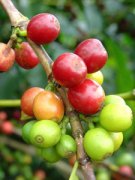
Harald (Harar) Berry delightfully fermented mixed flavors in the Eastern Highlands of Ethiopia
The coffee-producing region of Ethiopia is divided into east and west parts by the East African Rift Valley, with lakes, volcanoes, lowlands, plateaus and woodlands interlaced, each evolving. Ethiopia has the most diverse coffee ecosystem in the world (forest coffee, semi-forest coffee, pastoral coffee and plantation coffee), which also preserves its rich Arabica genes. The eastern half is mostly plateaus, coffee beans.
2016-07-04 Harald Rahl Harar berries delightful fermented fragrant Essel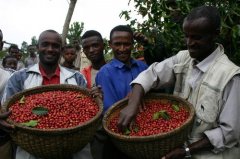
Jasmine tea, which is preferred by Ghimbi growers as a composite bean material, is fragrant and bitter
Ethiopia's coffee-producing areas are divided into east and west parts by the Great Rift Valley. Lakes, volcanoes, lowlands, plateaus and woodlands alternate and evolve independently. Ethiopia has the most diverse coffee ecosystem in the world (forest coffee, semi-forest coffee, pastoral coffee and plantation coffee), which also allows it to preserve its rich Arabica genes. The eastern half is mostly plateau, coffee beans
2016-07-04 Kimbi Ghimbi Breeders Likes As Composite Material Jasmine Tea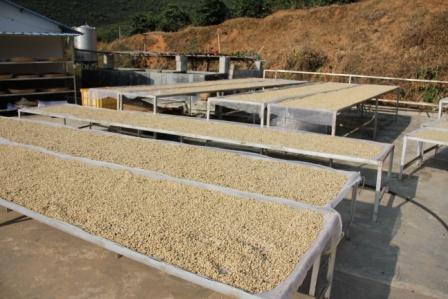
Elevated bed Solar treatment of Heirloom Coffee Raw beans in Ethiopia Cedar Mosida Masha Chiso producing area
The coffee flavor of Sidamo is very diverse, because of the different soil composition, regional microclimate and countless native coffee varieties, the coffee produced in each urban area has obvious differences and characteristics. Sidamo producing area (Sidama) is located in the south of Ethiopia. The industry here is dominated by agriculture, and the coffee growing area is located around the East African Great Rift Valley (GreatRiftValley).
2016-04-13 Esso Biya Cedar Moses Dama Shaquiso production area Viaduct Solar treatment
Unique and mellow Sidamo Lion King Coffee beans introduce boutique coffee
The coffee in Sidamo has a variety of flavors. Different soil types, microclimates and countless native coffee species, towering mountains, highlands, plateaus, valleys and plains, diverse topography, and the geology of the area belongs to nutrient-rich, well-drained volcanic soil. the depth of the soil is nearly two meters, and the surface soil is dark brown or brown. The biggest advantage of the place is
2016-06-23 Taste unique thick Dharma Lion King coffee beans introduction boutique coffee da
Introduction to Ethiopian Sidamo Coffee with moderate mellow and sweet spice
The coffee in Sidamo has a variety of flavors. Different soil types, microclimates and countless native coffee species, towering mountains, highlands, plateaus, valleys and plains, diverse topography, and the geology of the area belongs to nutrient-rich, well-drained volcanic soil. the depth of the soil is nearly two meters, and the surface soil is dark brown or brown. The biggest advantage of the place is
2016-07-01 Mellow light appropriate sweet fragrant Ethiopia Dharma coffee introduction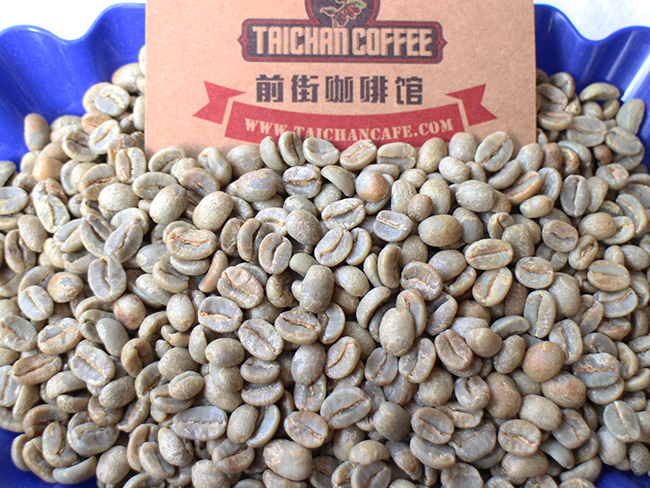
Raw bean wholesale price Ethiopia Sida Mosida Damasso producing area sun-treated coffee raw bean price
The coffee flavor of Sidamo is very diverse, because of the different soil composition, regional microclimate and countless native coffee varieties, the coffee produced in each urban area has obvious differences and characteristics. Sidamo producing area (Sidama) is located in the south of Ethiopia. The industry here is dominated by agriculture, and the coffee growing area is located around the East African Great Rift Valley (GreatRiftValley).
2016-04-13 Raw beans wholesale prices Esso Biya Cedar Moses Dama Shaquiso producing areas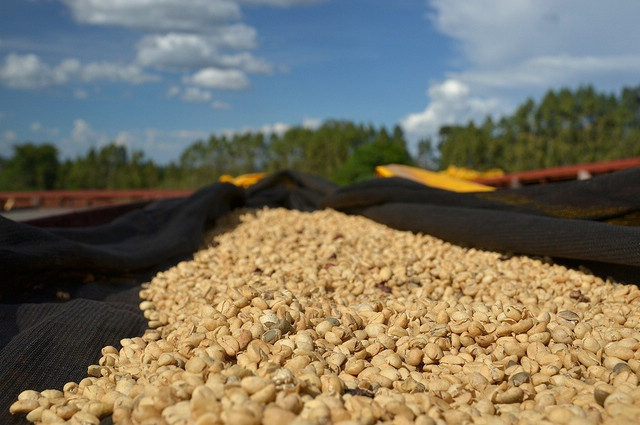
How to choose coffee bag Ethiopia Sidamo Gujiso Xia Chiso sun-dried coffee cooked beans
The coffee flavor of Sidamo is very diverse, because of the different soil composition, regional microclimate and countless native coffee varieties, the coffee produced in each urban area has obvious differences and characteristics. Sidamo producing area (Sidama) is located in the south of Ethiopia. The industry here is mainly agricultural, and the coffee growing area is located around the Great Rift Valley (Great Rift Valley) of East Africa.
2016-03-29 How to choose coffee Ethiopia Dharma Gouji Shakiso sun cooked beans
Introduction of Brazilian Coffee Flavor, taste, Brazilian boutique coffee beans
Although the variety of Brazilian coffee is diverse, Brazilian coffee is suitable for the taste of the public. For example, coffee produced in the northern coastal areas has a typical iodine taste, reminiscent of the sea after drinking. This coffee is exported to North America, the Middle East and Eastern Europe. Another kind of coffee that is interesting and worth looking for is washed Bahia. This kind of coffee is not easy.
2016-07-29 Brazil coffee type introduction flavor taste boutique coffee beans
Introduction to the flavor and taste characteristics of Ethiopian Sidamasha Chiso coffee with a long aftertaste
Ethiopia is rectangular, with a ratio of length to width of 3:2. From top to bottom, it is composed of green, yellow and red parallel equal horizontal rectangles, with the national emblem in the middle of the flag. Since the end of the 19th century, Ethiopia began to use the green, yellow and red cross-striped national flag. In modern history, Ethiopia is the first African country to join the forest of free nations. [8] to this century
2016-08-24 Aftertaste lingering Ethiopia Dharma Shaquiso coffee flavor taste characteristics
Introduction to the description of taste and flavor of Ecuadorian coffee varieties
Mr. Diego Vega, Chief Commercial Officer of Ecuador's Export and Investment Promotion Agency, and CEO Erika Wang of Yingcai Institute attended the event and introduced Ecuador's diverse coffee producing areas, such as Loja, Imbabura, Zamora, Vilcabamba and Galpagos. Ergua
2016-10-12 Ecuador coffee grinding characteristics variety producing area taste flavor description introduction
Introduction to the Ethiopian Dharma Coffee Ted Manor with exquisite floral scent
The coffee in Sidamo has a variety of flavors. Different soil types, microclimates and countless native coffee species, towering mountains, highlands, plateaus, valleys and plains, diverse topography, and the geology of the area belongs to nutrient-rich, well-drained volcanic soil. the depth of the soil is nearly two meters, and the surface soil is dark brown or brown. The biggest advantage of the place is
2016-07-04 With exquisite flowers smell Ethiopia Dharma coffee Ted manor
Limu Ethiopian grass and black sugar aroma fruit acid bright boutique coffee
The coffee-producing region of Ethiopia is divided into east and west parts by the East African Rift Valley, with lakes, volcanoes, lowlands, plateaus and woodlands interlaced, each evolving. Ethiopia has the most diverse coffee ecosystem in the world (forest coffee, semi-forest coffee, pastoral coffee and plantation coffee), which also preserves its rich Arabica genes. The eastern half is mostly plateaus, coffee beans.
2016-07-04 Lim Limu Ethiopia grass aroma sour bright boutique coffee
How does Burundian coffee taste?
Burundi has the most diverse and successful coffee industry in the world, and has its own characteristics. Coffee in this country was introduced by Belgian colonists in 1930 and is now grown only on small farms. Unfortunately, many of these farms are on the border with war-torn Rwanda, putting pressure on coffee production. Coffee produced in Burundi.
2016-09-18 Burundian coffee flavor taste how Burundi Burund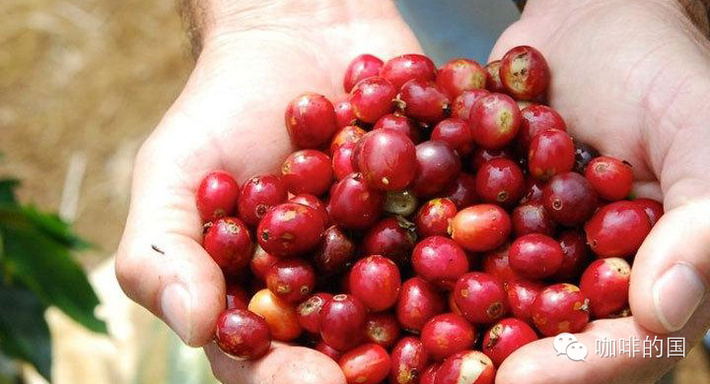
Cooked beans of sun-cured coffee in the Shakisso producing area of Sidamo Guji Guji, Sidamo, Ethiopia
The coffee flavor of Sidamo is very diverse, because of the different soil composition, regional microclimate and countless native coffee varieties, the coffee produced in each urban area has obvious differences and characteristics. Sidamo producing area (Sidama) is located in the south of Ethiopia. The industry here is mainly agricultural, and the coffee growing area is located around the Great Rift Valley (Great Rift Valley) of East Africa.
2016-03-26 Ethiopia Dharma Sidamo Guji Shakiso Sh
Bolivian coffee producing area with floral scent and refreshing perfume introduces Yongas, northeast of La Paz.
Takesi Manor, drinking water and coffee after harvest treatment, using alpine melting cold snow landscape, so we give her a nickname: Takesi Snow vein Manor; in addition to low temperature, pollution-free environment, fertile and well-drained volcanic soil, is also an element of coffee flavor, although the owner of Agrotakesi SA is rich, but deep respect for nature and the way to get along, but
2016-06-22 Floral refreshing perfume Bolivia coffee producing area introduction La Paz northeast
Full fruit, good average quality, fragrant and mellow washed Sidamo coffee beans
The coffee in Sidamo has a variety of flavors. Different soil types, microclimates and countless native coffee species, towering mountains, highlands, plateaus, valleys and plains, diverse topography, and the geology of the area belongs to nutrient-rich, well-drained volcanic soil. the depth of the soil is nearly two meters, and the surface soil is dark brown or brown. The biggest advantage of the place is
2016-06-22 Fruit full average good quality odor mellow thick washed treated Dharma
Unique and mellow Sidamo Coffee Flavor Manor area introduction to Ted Manor
The coffee in Sidamo has a variety of flavors. Different soil types, microclimates and countless native coffee species, towering mountains, highlands, plateaus, valleys and plains, diverse topography, and the geology of the area belongs to nutrient-rich, well-drained volcanic soil. the depth of the soil is nearly two meters, and the surface soil is dark brown or brown. The biggest advantage of the place is
2016-07-15 Taste unique thick Dharma Coffee Flavor Manor producing area introduction Ted
Boutique coffee beans Brazilian coffee the latest coffee introduction and information unique flavor full of taste
Brazil is vividly compared to the giant and monarch of the coffee world. There are about 3.97 billion coffee trees there, and small farmers now grow 75% of Brazil's total coffee production. The number of coffee producers in Brazil is twice or even three times that of Colombia, the second largest coffee producer in the world. Although coffee is diverse, Brazilian coffee is suitable for the public.
2015-12-30 Boutique coffee beans Brazil coffee latest profile information flavor unique taste
Is the Colombian coffee producing area located in the foothills of the Andes?
Colombia's coffee-producing region is located in the foothills of the Andes, where the climate is mild and the air is humid. Colombia has three Cordilleras mountains (sub-mountain system) running north and south, right into the Andes. Coffee is grown along the highlands of these mountains. The mountain steps provide a diverse climate, which means that the whole year is the harvest season, with different species at different times.
2016-05-24 Colombia coffee production area is in the Andes foothills.
Unique taste of Ecuador Hasunda Coffee Garden Flavor description of taste variety grinding degree introduction
The enthusiasm for introducing Ecuadorian boutique coffee to Chinese consumers led the Ecuadorian Export and Investment Promotion Agency (Pro Ecuador) and the welcoming Research Institute (InkaLab Coffee) to jointly organize this cultural experience event of Ecuadorian boutique coffee. The purpose of this activity is to raise Chinese consumers' awareness of Ecuadorian coffee and related food culture.
2016-10-07 Unique taste Ecuador Hasenda coffee garden flavor description variety producing area