“Coffee growing region” search results (4000)
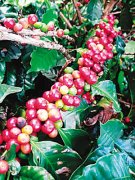
Pineapple, apricot, peach, dried red wine flavor guava plain manor in Guatemala New Oriental region
Guatemala is one of the most important coffee producing countries in Central America, with long mountains and different regional climates, thus creating eight major coffee producing areas in Guatemala, all located on the highland topography of the subtropical climate, with abundant and stable rainfall and fertile volcanic ash soil is an excellent environment for coffee trees to grow. Plan del Guayabo is located next to the Volcn de Suchitn volcano.
2016-07-06 Pineapple apricot dried fruit red wine flavor Guatemala New Oriental producing area guava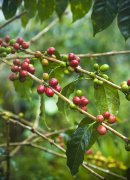
Guava Plain Manor in Guatemala New Oriental region Liquor-scented Coffee treated by the Sun
Guatemala is one of the most important coffee producing countries in Central America, with long mountains and different regional climates, thus creating eight major coffee producing areas in Guatemala, all located on the highland topography of the subtropical climate, with abundant and stable rainfall and fertile volcanic ash soil is an excellent environment for coffee trees to grow. Plan del Guayabo is located next to the Volcn de Suchitn volcano.
2016-06-27 Guatemala New Oriental producing areas guava plains manors wine sun treatment
Introduction to the characteristics of the producing area of Tanzania Kilimanjaro Coffee Flavor description
Mount Kilimanjaro is in the northeast of Tanzania, the largest coffee producing area in Tanzania, which accounts for 75%. In general, coffee beans in Tanzania have extraordinary quality. The important producing areas are in the mountains near Kenya in the north, where coffee farmers account for 85% of the total, while local coffee farmers grow between 1300 and 2000m above sea level, with different coffee flavors.
2016-10-13 Tanzania Kili Mazar Luo Coffee Coffee Flavor description treatment Variety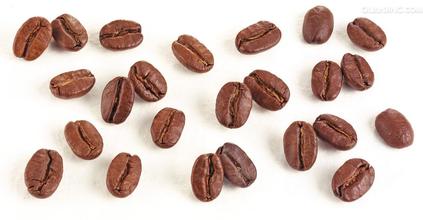
Introduction of boutique coffee beans in flavor growing environment in Dominica coffee producing area
The earliest coffee in Dominica was introduced from Martinique (the overseas province of France), dating back to the early 18th century. Dominica is an island country with a tropical climate. The temperature changes little throughout the year. Except for the lower temperature in the Central Cordillera Mountains, which can reach less than 0 ℃ in winter, the annual average temperature in other areas is between 25 and 30 ℃, which is affected by the mountain topography.
2016-09-19 Dominica coffee producing area flavor planting environment boutique coffee beans introduction
Coffee Exchange to be established in Yunnan Free Trade Zone of China
Pacorini, a well-known international warehousing operator in Italy, is threatening to join hands with the Shanghai agricultural products market to set up Asia's first coffee exchange in the Shanghai free trade zone. However, on October 28, Kunming, Yunnan Province, first announced the listing of the Kunming Coffee Exchange Center, with ambitions to become the world's third largest coffee exchange after New York and London. The first Asian name falls by the side.
2014-11-10 Coffee News Yunnan Coffee Exchange
Honduran Coffee beans with High quality Coffee introduced to San Juan Xido region
High-quality coffee in Honduras uses water washing to deal with coffee beans, usually after soaking, when the defective fruit will surface, it can be discarded first. Then put the good fruit into the fruit peeling machine and peel off the peel with the rotating force of the machine. Peeled fruits are screened by machines to select fruits of high quality. Usually the bigger the fruit.
2016-06-21 High quality Coffee Honduras Coffee beans introduction San Hu Xido producing area Hongdu
Panamanian Irieta Estate Coffee Flavor Description Taste Boutique Coffee Bean Features
The seeds of Geisha were discovered in 1931 from the rosewood forests of Ethiopia and sent to coffee research institutes in Kenya; introduced to Uganda and Tanzania in 1936, Costa Rica in 1953, Panama in the 1970s by Mr. Francesco Serrazin of Domba Seven Farm from CATIE in Costa Rica and began growing rosewood coffee. G
2016-09-28 Bana Mai Rieta Manor Coffee Flavor Description Taste Fine Coffee Bean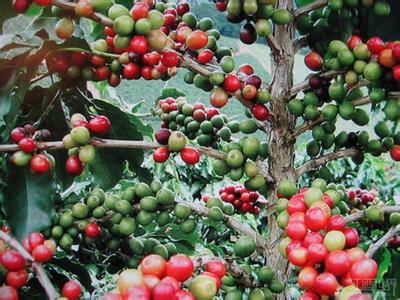
Comparison of two kinds of coffee trees between Arabica and Robusta coffee beans
In terms of varieties, coffee trees are mainly divided into two types: one is Arabica, and the other is Robusta Arabica Robusta, which is mainly produced in tropical Central and South America and on the island of Madagascar in west and central Africa. Indonesia in Asia is planted on alpine slopes at an altitude of 9002000 meters above sea level and on alpine slopes at an altitude of 200600 meters above sea level.
2015-03-27 Arabica Robusta coffee beans two kinds coffee kinds yes.
Panamanian Coffee unique growing Environment quality Highland Coffee beans
The microclimate of the Panamanian highlands is the most important resource that makes Panamanian coffee unique. The most important resource that makes Panamanian coffee unique is its microclimate. The east-west environment of the Republic of Panama allows cold air to flow through the Central Mountains and converge above 6500 feet, creating a variety of microclimates in the Boquete and Volcn Candela regions.
2016-04-29 Panama Coffee unique planting Environment quality Highland Coffee beans Bana
An introduction to the Banchi Magi Coffee growing area in Southwest Ethiopia
Bench Maji, located in southwestern Ethiopia and not far from neighboring Sudan, is easy to find using Google map. Although the flavor of Banchimaji Gesha Estate is different from that of Panamanian Geisha, it is still worth tasting. It is rare in many regions of Ethiopia, because of its varied flavor of spices and fruits.
2016-07-11 Ethiopia South Banki Maggie Coffee planting Manor region introduction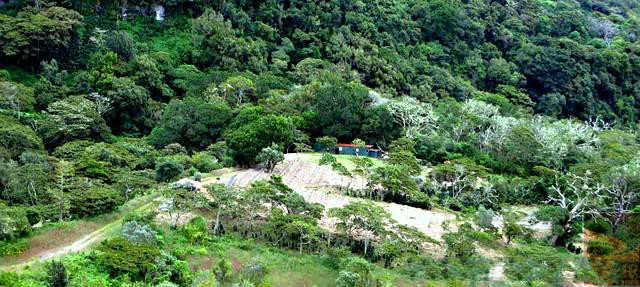
Coffee Bean Selection Tutorial Coffee Bean Brand Type Guide Ethiopia Sidamo Gujixia
As people's exposure to coffee deepens, ordinary tasting can no longer meet people's needs. As a result, more and more coffee lovers will buy their own beans home, starting with grinding, step by step to blend their favorite coffee flavor. Coffee beans are big.
2016-04-19 Coffee beans Shop Tutorial Brand Type Guide Ethiopia Dharma Si
The history of growing coffee based on the basic knowledge of fine coffee
In fact, the Arabs began to grow coffee in 525 BC, and chewing fried coffee beans became popular in the Arab region. In 890 AD, Arab merchants sold coffee beans to Yemen, and Yemenis made coffee beans into drinks for the first time. In the 15th century, coffee was introduced into Europe, Asia and soon into America. By the 18th century, tropical and subtropical regions around the world were widespread.
2014-12-15 Boutique coffee basics common sense planting history actually 525 BC
Boquete is the oldest and most famous coffee producing area in Panama.
Panamanian coffee originated in 1780, when European immigrants introduced the first Tipica tree species. Located in Central America, with the natural advantages of sunshine, land and mountains, coupled with a sufficient working population, the region is an excellent area for growing and producing high-quality boutique coffee, and it is a paradise for coffee. In particular, the Geisha coffee from Panama has led to the global customs.
2016-05-03 Boquis region Boquete Panama ancient and most famous coffee
Full-bodied Dominican coffee flavor Santo Domingo coffee has many characteristics of Dominica coffee beans
The temperate climate in Dominica is conducive to coffee cultivation, and the best places to grow coffee are the Barahona region in the southwest and the Cibao Valley north of Santiago, Dominica's second largest city. The northern region, represented by Hibao, and the southern region, including Okayabani Santo Domingo, produce good coffee. Among them, Santo
2016-07-26 Taste thick Dominica coffee flavor Santo Mingo coffee beans characteristics
Smooth taste of Peruvian organic coffee flavor Taste of the manor Features of the region Peruvian fine coffee beans
Peru's coffee cultivation is planned, which greatly increases coffee production. Peruvian coffee tastes mellow, acidity is appropriate, this tepid coffee attitude has made more and more people like it. Peruvian coffee has long been used as one of the blends of coffee stability, its rich acidity and mellow smoothness being its most striking characteristics. Peruvian coffee
2016-08-08 Taste Smooth Peruvian Organic Coffee Flavor Manor Region Characteristics Introduction
Mild taste, sour and slightly sweet Honduran coffee beans San Juan Hito region
Honduras is located in the north of Central America, bordering the Caribbean Sea in the north, the Gulf of Fonseca in the Pacific Ocean in the south, Nicaragua and El Salvador in the east and south, and Guatemala in the west. It is mostly mountainous and plateau. It has a tropical climate, mild temperatures and abundant rainfall, making it an ideal place for coffee growth. Honduras produces two very good quality coffees that are highly respected by coffee lovers
2016-06-22 taste mild sweet honduras coffee beans santo hu cito appellation hondura
Introduction to the flavor and taste of Guatemalan coffee beans growing in volcanic areas
In Guatemala, it is famous for producing high-quality beans, which is the highest elevation and dry climate in the coffee growing area of the country. Located in a rare non-volcanic area in China and the United States, the mountains are potholed and the terrain is very dangerous. Although the elevation is nearly 2000 meters, the warm, dry air from the plains of Mexico protects coffee trees in this area from frost.
2016-07-16 Good at volcano region Guatemala coffee beans flavor taste introduction Guatemala horse
Coffee beans are produced in countries where coffee beans are produced.
The most sensible and practical way to understand the countries in which coffee is grown is to classify them into the three major coffee growing regions of the world: Africa, Indonesia and Central and South America. In general, coffee grown in close proximity has similar characteristics. If a particular bean is out of stock, the buyer of a complex product will generally look to a nearby country
2016-07-11 coffee beans main producing area introduction which home has production
Introduction to the flavor and taste of citrus-flavored Panamanian Cupid coffee growing environment
The current government of Panama was formed on July 1, 2009. the main members are: vice President Juan Carlos Varela, Minister of the Presidential Office Jimmy Papadimitriu, Foreign Minister Fernando Nunes Favre, Minister of the Interior Jorge Ricardo Favre, Minister of Public Security Jos é Raul Mulino, Minister of economy and Finance Frank George de Lima, Minister of Commerce and Industry Ricadogiha
2016-08-17 Citrus flavour Panama Cupid Coffee planting Environment producing area Flavor mouth
Introduction to the types of coffee beans Starbucks Columbia Coffee region
Generally speaking, after two to three years of sowing, coffee trees can grow to a height of about five to ten meters, but in case coffee beans lose their aroma, taste bad, and are easy to harvest, farmers often repair them to about 1.5 to two meters. The change begins to bear fruit three to five years after sowing. The harvest period will be 20 years after the fifth year. The evergreen leaves of the coffee tree, with a pointed tip and two opposite groups.
2016-06-07 Coffee beans species introduction general sowing three years coffee tree height ten centimeters