“Coffee Breed Introduction” search results (400)

Peruvian coffee bean flavor taste manor production area introduction of coffee bean origin and varieties
Peruvian coffee beans are best known for their coffee beans from Chimacha Mayou in the middle and Cusco in the south. In addition, some areas in northern Peru also produce characteristic organic coffee. Organic coffee is made of beans grown in the shade of trees. Although the yield of coffee beans is not high because of the method of planting in the shade, its quality can reach the level of gourmet coffee. This is due to
2016-07-21 Peru coffee beans flavor taste manor producing area introduction origin variety
Colombian Coffee introduction Fine Coffee recommended Colombian Coffee Taste characteristics Colombia
The Colombian Coffee producers Association (Federacion Nacional de Cafeteos de Clolmbia), known as [FNC] for short in the industry, introduced the two main varieties of Colombian coffee, Kaddura and Colombia. Kaddura, which was introduced from Brazil in the 1960s, now accounts for 45-50% of the country's output and has replaced the earliest Tibica. A new breed with the same name as Colombia [Columby]
2016-03-25 Columbia coffee introduction boutique recommendation taste characteristics Colombia
Introduction to the characteristics of Manning Coffee
Manning is not the name of the producing area, the place name, the port name, nor the name of the coffee breed. How did it get its name? In fact, it is a phonetic error of the mandheling people in Mandaining, Indonesia. During the Japanese occupation of Indonesia during World War II, a Japanese soldier drank mellow coffee in a cafe, so he asked the shopkeeper the name of the coffee, and the boss mistook him for asking where you were.
2016-06-06 Mante coffee what characteristics introduction mante not district name place name port
Introduction to the taste characteristics of Panamanian coffee with four-leaf clover flavor
China Coffee net Jade Manor is famous for its Geisha variety. Rose summer seeds were discovered in the rose summer forests of Ethiopia in 1931 and sent to the Coffee Institute in Kenya, and then introduced to Uganda, Tanzania and Costa Rica, all mediocre. It was not until it was transplanted to Panama in the 1960s that it became a blockbuster after nearly half a century. 2005 、 2
2016-09-14 Have leaf grass flavor Panama coffee taste variety characteristics introduction China
Introduction of cat-themed cafes all over the world
The first cat coffee shop in the United States is highly sought after by the public, and there are long queues in front of the store, and cat lovers are willing to wait for more than a few hours. In the first cat coffee shop in the United States, you can not only enjoy delicious coffee, but also get in close contact with cute cats. This is the first cat-themed cafe in Chiang Mai, Thailand. The cat breed in the shop is also very special.
2015-04-14 Countries around the world themes cafes introductions all over the United States domestic cats coffee shops people
Introduction of Colombian boutique coffee Colombian coffee taste Colombian coffee characteristics brother
The Colombian Coffee producers Association (Federacion Nacional de Cafeteos de Clolmbia), known as [FNC] for short in the industry, introduced the two main varieties of Colombian coffee, Kaddura and Colombia. Kaddura, which was introduced from Brazil in the 1960s, now accounts for 45-50% of the country's output and has replaced the earliest Tibica. A new breed with the same name as Colombia [Columby]
2016-03-24 Colombia boutique coffee introduction taste characteristics production
Introduction to the characteristics of Flavor and Taste Grinding degree of Coffee beans grown in Yunnan
According to the introduction of coffee varieties from Yunnan, China, in 1892, French missionary Father Tian used coffee fruit to breed the first coffee tree outside the church, and then cultivated more coffee trees and planted them around the church. Since then, the village of Zhukula began to grow coffee, and the village has been surrounded by coffee trees ever since. Age in the village
2016-10-24 Yunnan what planting coffee beans fruit flavor taste grinding characteristics varieties
Introduction to the characteristics of Manor Manor with rich taste and mellow taste of Indonesian Manning Coffee
Manning Coffee-the origin of the name Manning is not the name of the producing area, the place name, the port name, nor the name of the coffee breed. How did it get its name? In fact, it is a phonetic error of the mandheling people in Mandaining, Indonesia. During the Japanese occupation of Indonesia during World War II, a Japanese soldier drank mellow coffee in a cafe, so he asked the shopkeeper the name of the coffee.
2016-08-04 Taste mellow full-bodied Niemann Tenin coffee flavor manor producing area characteristics
Introduction to Coca Cauca Lazmus Manor, Columbia Coffee with mild Climate
The main varieties of Colombian coffee are small grains of coffee. Plants are small trees or large shrubs, 5-8 m tall, usually much branched at base; old branches gray-white, nodes dilated, young branches glabrous, compressed. Leaves thinly leathery, ovate-lanceolate or lanceolate, 6-14 cm long and 3.5-5 cm wide, tip long acuminate, acuminate part 10-15 mm long, base cuneate or slightly obtuse, rarely rounded, entire or
2016-07-05 Climate mild Columbia Coffee Cauca Raz Moss Chuang
Introduction of Fine Coffee beans in Coffee Flavor and Taste area of Lazimus Manor, Colombia
The main varieties of Colombian coffee are small grains of coffee. Plants are small trees or large shrubs, 5-8 m tall, usually much branched at base; old branches gray-white, nodes dilated, young branches glabrous, compressed. Leaves thinly leathery, ovate-lanceolate or lanceolate, 6-14 cm long and 3.5-5 cm wide, tip long acuminate, acuminate part 10-15 mm long, base cuneate or slightly obtuse, rarely rounded, entire or
2016-09-06 Columbia Raz Moss Manor Coffee Flavor Taste producing area characteristics essence
Introduction of full-grained and nutritious Colombian coffee beans
The main varieties of Colombian coffee are small grains of coffee. Plants are small trees or large shrubs, 5-8 m tall, usually much branched at base; old branches gray-white, nodes dilated, young branches glabrous, compressed. Leaves thinly leathery, ovate-lanceolate or lanceolate, 6-14 cm long and 3.5-5 cm wide, tip long acuminate, acuminate part 10-15 mm long, base cuneate or slightly obtuse, rarely rounded, entire or
2016-06-21 Granules plump Nutrition Rich Columbia Coffee beans introduction Colombia Coffee
Introduction to the flavor and taste of Colombian boutique coffee varieties
The main varieties of Colombian coffee are small grains of coffee. Plants are small trees or large shrubs, 5-8 m tall, usually much branched at base; old branches gray-white, nodes dilated, young branches glabrous, compressed. Leaves thinly leathery, ovate-lanceolate or lanceolate, 6-14 cm long and 3.5-5 cm wide, tip long acuminate, acuminate part 10-15 mm long, base cuneate or slightly obtuse, rarely rounded, entire or
2016-07-19 Colombia boutique coffee variety flavor taste introduction characteristics
Mellow and smooth Peruvian coffee flavor and taste characteristics introduction to the taste price of high-quality coffee beans in producing areas
Peruvian coffee is grown in a planned way, which has greatly increased coffee production. Its rich acidity and mellow smoothness are its most prominent features. Peruvian coffee has a soft sour taste, medium texture, good taste and aroma, and is an indispensable ingredient in the production of comprehensive coffee. Peruvian coffee of outstanding quality, with strong aroma, smooth, layered and rich sweet taste.
2016-10-11 Mellow smooth Peruvian coffee flavor taste characteristics variety producing area boutique
Introduction to the planting Environment of Colombian Coffee grown in the Highland introduction to the production area of Fine Coffee Bean Coffee Manor
The main varieties of Colombian coffee are small grains of coffee. Plants are small trees or large shrubs, 5-8 m tall, usually much branched at base; old branches gray-white, nodes dilated, young branches glabrous, compressed. Leaves thinly leathery, ovate-lanceolate or lanceolate, 6-14 cm long and 3.5-5 cm wide, tip long acuminate, acuminate part 10-15 mm long, base cuneate or slightly obtuse, rarely rounded, entire or
2016-07-05 Highlands cultivation Colombia coffee environment introduction boutique coffee beans manor
Peruvian coffee with elegant mild acidity Flavor Description Roast Degree Taste Variety Manor Introduction
Peru is located in the west of South America, with a coastline of 2254 kilometers. The Andes runs through the north and south, and the mountains account for 1/3 of the country's area. They belong to the tropical desert area, and the climate is dry and mild. Peruvian coffee is mostly grown at the foot of the Andes, where it is rich in quality traditional Central American coffee beans. Peruvian coffee beans produced in Chanchamayo in the center and Cuzco in the south
2016-10-08 Elegant Mild Acidity Peruvian Coffee Flavor Description Roast Degree Taste
Introduction to Colombian Fine Coffee is Colombian coffee good? Characteristics of Colombian Coffee
The Colombian Coffee producers Association (Federacion Nacional de Cafeteos de Clolmbia), known as [FNC] for short in the industry, introduced the two main varieties of Colombian coffee, Kaddura and Colombia. Kaddura, which was introduced from Brazil in the 1960s, now accounts for 45-50% of the country's output and has replaced the earliest Tibica. A new breed with the same name as Colombia [Columby]
2016-03-23 Colombia boutique coffee profile delicious characteristics production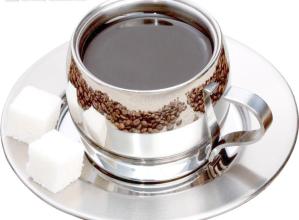
Indonesia Mantenin Coffee Bean Flavor and taste introduction to Indonesian coffee characteristics Indonesian boutique coffee
Manning is not the name of the producing area, the place name, the port name, nor the name of the coffee breed. How did it get its name? In fact, it is a phonetic error of the mandheling people in Mandaining, Indonesia. During the Japanese occupation of Indonesia during World War II, a Japanese soldier drank mellow coffee in a cafe, so he asked the shopkeeper the name of the coffee, and the boss mistook him for asking where you were.
2016-07-28 Nieman Tenin coffee beans flavor taste introduction Indonesia coffee characteristics boutique
Introduction to Hope Manor, the main variety of Colombian coffee
One: it is said to come from the sea island of the Caribbean and from El Salvador in Central America. Second: in 1808, a priest introduced coffee beans to Colombia for the first time from the French Antilles via Venezuela. One of them is that Colombia's first coffee seeds were imported from Venezuela through the province of Santander. [1] third: the earliest coffee cultivation in Colombia
2016-07-11 Colombia coffee main variety small grain introduction hope manor one of them according to
Colombia Coffee Boutique Coffee Flavor Taste Producing Area Features Manor Introduction
Colombia coffee is the first coffee produced in Medellin, both in terms of yield and texture. It is characterized by full coffee beans, rich nutrition, moderate acidity, good balance, rich aroma and soft and smooth taste. Apart from Medellin, Armenia and Manizales, the capital cities of two neighboring provinces in the south, are also famous coffee producing areas.
2016-09-21 Colombia Coffee Fine Flavor Taste Region Characteristics Manor Introduction None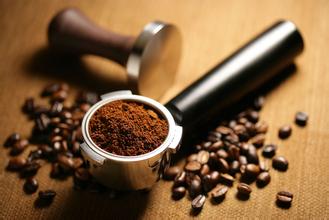
Introduction to the Andean Mountains in the main cultivated areas of coffee trees in Colombia
The main varieties of Colombian coffee are small grains of coffee. Plants are small trees or large shrubs, 5-8 m tall, usually much branched at base; old branches gray-white, nodes dilated, young branches glabrous, compressed. Leaves thinly leathery, ovate-lanceolate or lanceolate, 6-14 cm long and 3.5-5 cm wide, tip long acuminate, acuminate part 10-15 mm long, base cuneate or slightly obtuse, rarely rounded, entire or
2016-06-24 Colombia Coffee main cultivation region introduction Andes Mountains Columbia