“Coast” search results (2986)

Introduction of major coffee producing areas in the world
Coffee comes from coffee beans, which are harvested and processed from the fruit of trees. Coffee trees grow at the center of the equator, between latitudes of 25 degrees south and north, and are called the homes of tropical or subtropical countries called coffee belts. At present, there are about 60 coffee-producing countries. Coffee is produced in South America, Central America, the West Indies, Asia, Africa, Arabia, the South Pacific and
2015-10-27 World main coffee producing area introduction boutique coffee beans is from
Introduction to the flavor and taste characteristics of coffee in Nicaragua's Tianyi Manor with rich aroma, smooth and meticulous taste.
In many countries, coffee production will be seriously affected for political reasons. Nicaraguan coffee industry is no exception. The 1979 revolution forced coffee planters to flee to Miami. A period of indecision followed, when the government considered whether to redistribute land (including many plantations), which led to a shortage of coffee and a decline in production since the early 1970s
2016-09-02 Aroma rich smooth meticulous Nicaragua providence manor coffee flavor mouth
An introduction to the characteristics of fine coffee in the manor area of Costa Rican coffee
Costa Rica is located in the Central American isthmus, belonging to North America, 10 north latitude, 84 west longitude. It is bordered by the Caribbean Sea to the east and the North Pacific Ocean to the west, with a coastline of 1290 km (212km on the east coast and 1016 km on the west coast). Costa Rica borders Nicaragua in the north (309 km long border) and Panama (639 km long border) south-southeast. Total
2016-08-16 Reverberation unique Costa Rica coffee flavor taste manor producing area characteristics
The main coffee producing areas in the world introduce the types of fine coffee beans.
Coffee comes from coffee beans, which are harvested and processed from the fruit of trees. Coffee trees grow at the center of the equator, between latitudes of 25 degrees south and north, and are called the homes of tropical or subtropical countries called coffee belts. At present, there are about 60 coffee-producing countries. Coffee is produced in South America, Central America, the West Indies, Asia, Africa, Arabia, the South Pacific and
2015-01-27 World main coffee producing areas introductions boutique coffee beans types are from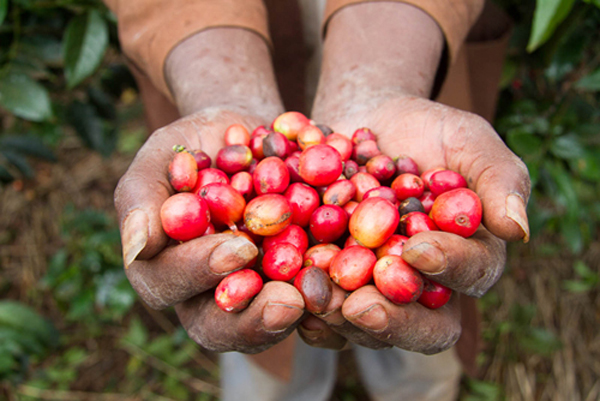
The most detailed introduction to coffee beans in the world. Coffee beginners must see the knowledge points
Coffee comes from coffee beans, which in turn are harvested and processed from the fruits of trees. Coffee trees grow at the equator as the center, between 25 degrees north and south latitude, known as the coffee belt tropical or subtropical countries home, coffee production countries currently have about more than 60 countries, coffee production in South America, Central America, West Indies, Asia, Africa, Arabia, South Pacific and
2015-12-02 world coffee beans most detailed detailed introduction beginner coffee must-see knowledge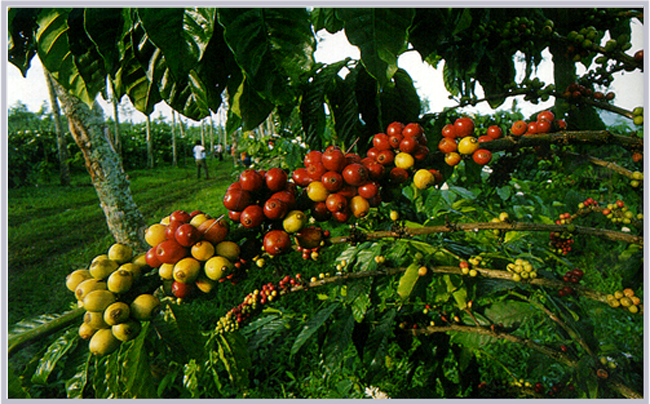
Coffee Estate Knowledge Points: Collection and classification of world boutique coffee estates in detail
Coffee comes from coffee beans, which are harvested and processed from the fruits of trees. Coffee trees grow at the equator as the center, between 25 degrees north and south latitude, known as the coffee belt in tropical or subtropical countries home, coffee beans are currently. Coffee comes from coffee beans, which in turn are harvested and processed from the fruits of trees. Coffee trees grow at the equator.
2015-12-25 coffee estate knowledge essentials world boutique collection classification detail introduction
Introduction of Costa Rican boutique coffee bean flavor manor as clear as wind chimes swaying in the breeze
Costa Rica is located in the strip of Central America, latitude 10 degrees north; longitude 84 degrees west. It is bordered by the Caribbean Sea to the east and the North Pacific Ocean to the west, with a coastline of 1290 km (212km on the east coast and 1016 km on the west coast). Costa Rica borders Nicaragua in the north (309 km long border) and Panama (639 km long border) south-southeast. Total
2016-09-01 Clear such as micro wind swaying wind chimes Costa Rica boutique coffee beans flavor
Introduction to the basic knowledge of Coffee Coffee Machine Heat Exchange Boiler
● Mexico (Central America), the main coffee producer in Central America, has a comfortable taste and charming aroma. The Mexican coffees selected are Coatepec, Huatusco and Orizaba, among which Cottpe is considered to be one of the best in the world. The coffee cultivation belt of this country, regardless of geographical or climatic conditions, is related to
2016-06-06 Coffee basics introduction coffee machine heat exchange boiler Mexico Central America this
Introduction to the characteristics of grindability and taste of coffee with rich flavor in Chateau Saint Roman, Costa Rica
Costa Rica is located in the Central American isthmus, belonging to North America, 10 north latitude, 84 west longitude. It is bordered by the Caribbean Sea to the east and the North Pacific Ocean to the west, with a coastline of 1290 km (212km on the east coast and 1016 km on the west coast). Costa Rica borders Nicaragua in the north (309 km long border) and Panama (639 km long border) south-southeast. Total
2016-10-07 Flavor rich Costa Rica Roman manor coffee grinding taste characteristics
Introduction to boutique coffee with full aroma and taste characteristics of Bolivian snow vein manor
It formed a federation with Peru in 1836 and collapsed as a result of the Chilean invasion in 1839. In 1863, rich saltpetre deposits were discovered in Atacama province along the Pacific coast. In 1879, Chile sent troops to occupy the mining area, and Bolivia joined forces with Peru to wage the Pacific War with Chile. Bolivia was defeated in 1883 and ceded the saltpeter-rich Pacific coast to Chile, Bolivia in 1904.
2016-08-24 Aroma full Bolivia snow vein manor coffee flavor taste characteristics essence
The Galapagos Coffee Manor in Ecuador, which can be made into high quality mixed coffee, has a special flavor and taste.
The Republic of Ecuador is located in northwestern South America. It is bordered by Colombia in the northeast, Peru in the southeast and the Pacific Ocean in the west. It covers an area of 256370 square kilometers and the coastline is about 930km long. The equator runs north of the border, and Ecuador means the Spanish equator. [3] Climate Ecuador is divided into the western coast, the central mountains, the eastern Amazon basin and the Galapagos Group
2016-09-02 Made quality mixed Coffee Ecuador Lapa Goss Manor producing area Wind
Introduction to the Flavor and Taste of High-quality Coffee Bean Manor
In 1863, rich saltpetre deposits were discovered in Atacama province along the Pacific coast. In 1879, Chile sent troops to occupy the mining area, and Bolivia joined forces with Peru to wage the Pacific War with Chile. Bolivia was defeated in 1883 and ceded the saltpeter-rich Pacific coast to Chile in 1904. Bolivia lost its only coastal province, including the important port of Antofagasta, from
2016-09-22 Bolivia coffee flavor variety producing area characteristics boutique coffee beans manor
Introduction to boutique coffee with obvious rich flavor and taste characteristics of Bolivian coffee manor
In 1863, rich saltpetre deposits were discovered in Atacama province along the Pacific coast. In 1879, Chile sent troops to occupy the mining area, and Bolivia joined forces with Peru to wage the Pacific War with Chile. Bolivia was defeated in 1883 and ceded the saltpeter-rich Pacific coast to Chile in 1904. Bolivia lost its only coastal province, including the important port of Antofagasta, from
2016-08-12 Obvious rich Bolivia coffee manor producing area flavor taste characteristics essence
Introduction to the main Coffee producing areas in the World
Coffee comes from coffee beans, which are harvested and processed from the fruit of trees. Coffee trees grow at the center of the equator, between latitudes of 25 degrees south and north, and are called the homes of tropical or subtropical countries called coffee belts. At present, there are about 60 coffee-producing countries. Coffee is produced in South America, Central America, the West Indies, Asia, Africa, Arabia, the South Pacific and
2015-04-14 Coffee basics common sense world major producing areas introduction coffee is from coffee beans
Hawaiian Kona / Kona Coffee (Hawaii Kona) Coffee American Coffee
[guide] Hawaii, a beautiful tropical Pacific island, not only produces beautiful scenery, but also produces the famous Kona coffee. Kona is also named after origin, only on the southwest coast of Hawaii, 20 miles long, 2 miles wide, 150m ~ 750m above sea level, covering Hualalai Hawaii, a beautiful tropical island in the Pacific Ocean. In addition to the bright wind, it also grows.
2016-04-22 Hawaii Kona Coffee Flavor USA
Nicaraguan Coffee with High Alcohol thickness introduction to Fine Coffee in Manor
Columbus arrived here in 1502 and reached the east coast of Nicaragua. In 1522, Spanish colonists began to conquer the region. The cities of Granada and Leon were founded in 1524. From then on, Nicaragua became a Spanish colony and came under the jurisdiction of the Governor's Office of Guatemala. The city of Leon developed into a political and cultural center; Granada became a commercial and agricultural center. In the later period of colonial rule
2016-08-26 There are very high thickness Nicaragua coffee flavor taste manor producing area essence
Introduction of boutique coffee beans in Costa Rican Yerzaro coffee producing area
Costa Rica is located in the Central American isthmus, belonging to North America, 10 north latitude, 84 west longitude. It is bordered by the Caribbean Sea to the east and the North Pacific Ocean to the west, with a coastline of 1290 km (212km on the east coast and 1016 km on the west coast). Costa Rica borders Nicaragua in the north (309 km long border) and Panama (639 km long border) south-southeast. Total
2016-09-22 Costa Rica Yelsa Luo Coffee Coffee Flavor Variety producing area characteristics essence
Introduction to the characteristics of flavor and taste in the producing area of Costa Rican Saint Roman Coffee Manor
Costa Rica is located in the Central American isthmus, belonging to North America, 10 north latitude, 84 west longitude. It is bordered by the Caribbean Sea to the east and the North Pacific Ocean to the west, with a coastline of 1290 km (212km on the east coast and 1016 km on the west coast). Costa Rica borders Nicaragua in the north (309 km long border) and Panama (639 km long border) south-southeast. Total
2016-08-15 Flavor light pure Costa Rica Roman coffee manor producing area taste
Introduction of Fine Coffee beans in Galapagos Coffee Manor, Ecuador
West coast: including coastal plains and foothills, high in the east and low in the west, generally below 200 meters above sea level, with some hills and low mountains at an altitude of 600 to 700 meters. Belongs to the tropical rain forest climate, the southernmost end begins to transition to the savanna climate. The average annual precipitation decreases from more than 3000 mm to about 500mm from north to south. Central Mountains: the Andes enter Ecuador from Colombia
2016-08-06 Ecuador Lapa Goss Coffee Manor producing area characteristics Flavor Taste medium
El Himalayan Coffee Grind Characteristics Variety Flavor Description Taste Introduction
San Salvador, Bahia. An important natural deep-water port on Brazil's Atlantic coast, capital of Bahia. Located on the east coast of the Bay of Todos (Santos). With a population of 3,459,377 (as of August 1, 2010), it is the eighth largest city in Brazil. It is one of the oldest cities in Brazil, founded in 1549, and the first churches were built by Jesuit priests in 1549. until 1763.
2016-10-11 El Salvador Himalayan Coffee Ground Characteristics Variety Flavor Description Taste