“Classified” search results (2597)
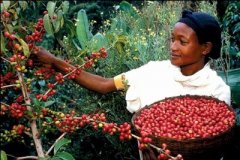
Kenya Coffee Kenya rating
Usually, Kenyan coffee is classified as follows: 1) Common categories: coffee fruits picked by hand, picked by hand, picked out immature fruit (unripe), overripe fruit (overripe) and other defects, peeled, after about 36 hours of fermentation, placed on a metal grid for sun drying, in the processing plant to remove the seed shell (parchment) to become a blue-green appearance
2016-06-03 Kenya coffee grade division usually classification as follows often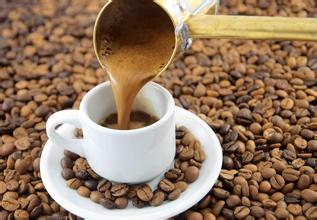
Boutique coffee Rwanda coffee origin Rwanda coffee practice
Rwandans have been growing coffee since colonial times, but until 1999, its products were still classified as below Class C and were not popular in the global market. The reason for the poor quality is that farmers do not have a fixed procedure for washing coffee beans and do not process coffee fruits according to specifications in time. Buyers buy coffee beans at $0.33 per kilogram, and farmers keep warm by the meagre profits earned at low prices.
2016-05-12 Boutique coffee Rwanda origin practice
Introduction of beans for coffee machine coffee beans selected by professionals
The beans used in the coffee machine are generally selected by professionals, according to the special points used by the coffee machine: fixed amount of water, water temperature, so that every person with simple training can make a cup of strong coffee. As a result, beans used in coffee machines are often classified only by the degree of roasting or the name of the coffee, rather than the variety of coffee.
2015-09-09 Coffee machine special purpose introduction process professionals selection coffee beans coffee machine with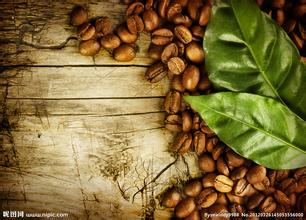
Boutique Coffee Rwanda Coffee Manor 1756 members small farmers
Rwandans have been growing coffee since colonial times, but until 1999, its products were still classified as below Class C and were not popular in the global market. The reason for the poor quality is that farmers do not have a fixed procedure for washing coffee beans and do not process coffee fruits according to specifications in time. Buyers buy coffee beans at $0.33 per kilogram, and farmers keep warm by the meagre profits earned at low prices.
2016-05-12 Boutique coffee Rwanda manor 1756 members small farmers
Kenya grades Kenyan boutique coffee beans
Kenya Cupping (Simon) 2015-08-01 16:00 usually Kenya coffee is classified as follows: 1) Common classification: coffee fruits picked by hand, picked by hand, picked out immature fruit (unripe), overripe fruit (overripe) and other defects, peeled, fermented for about 36 hours, placed on a metal grid for sun drying
2016-05-10 Kenya Grade Division Fine goods Coffee beans Cup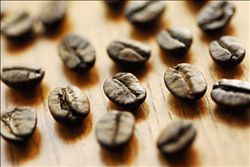
Fine coffee Rwanda Coffee introduces the characteristics of Rwanda Coffee
Rwandans have been growing coffee since colonial times, but until 1999, its products were still classified as below Class C and were not popular in the global market. The reason for the poor quality is that farmers do not have a fixed procedure for washing coffee beans and do not process coffee fruits according to specifications in time. Buyers buy coffee beans at $0.33 per kilogram, and farmers keep warm by the meagre profits earned at low prices.
2016-05-12 Boutique coffee Rwanda introduction characteristics
Kenyan Kenya AA Coffee Kenyan Coffee beans mocha Coffee
This classification method is based on a variety of perforated screen classification, the screen has a variety of specifications, identified by the number, the number is associated with the mesh. The size of the mesh-1 stroke 64 inches is the unit of calculation. If the diameter of the mesh is 18 stroke 64 inches, the number of the screen is 18; if the diameter of the mesh is 17 inch 64 inches, the number of the screen is 17. And so on, there are 19, 16, 15, 1
2016-05-03 Kenya coffee coffee beans characteristics mocha
Boutique coffee Rwanda coffee flavor red apple, cherry, cinnamon, honey
Rwandans have been growing coffee since colonial times, but until 1999, its products were still classified as below Class C and were not popular in the global market. The reason for the poor quality is that farmers do not have a fixed procedure for washing coffee beans and do not process coffee fruits according to specifications in time. Buyers buy coffee beans at $0.33 per kilogram, and farmers keep warm by the meagre profits earned at low prices.
2016-05-12 Boutique coffee Rwanda flavor red apple cherry cinnamon honey
Aroma Characteristics of Colombia Coffee
Anyone who is a coffee expert recognizes the highest quality uniformity of Colombia coffee. In particular, Colombia Coffee Premium Green beans, proud of their rich aromas and the largest size, mean the highest grade of coffee when classified according to the strict coffee standards specified by Colombia zhengfu. Colombia premium coffee is washed clean of acids
2016-06-05 Colombia coffee aroma characteristics if expert will recognition brother
Small "soil cannon" square baking cabin without motor
My friend gave me a small baking toy, which I should have tried last week, but because I didn't play with my work for a long time, I can finally touch it today. According to the definition of many players, this small toy should be classified as a local gun, and it is a local gun without an electric motor. In particular, this local cannon is different from the previous barrel baking chamber, but is square, which can be called roasting cube
2015-07-06 No motor earth cannon square baking friends toys actually last week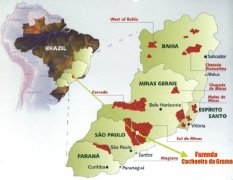
Who says Brazil doesn't have good coffee?
Brazil is the world's largest coffee producer. There are many kinds of coffee in Brazil. Most of the Brazilian coffee is sun-treated, and they are classified according to the name of the state of origin and the port of transport. Of the 21 states in Brazil, 17 produce coffee, but four of them produce the largest, accounting for 98% of the country's total output. They are: Parana, Sao Paulo,
2015-07-30 Who says Brazil there are good coffee the world big coffee producing countries kinds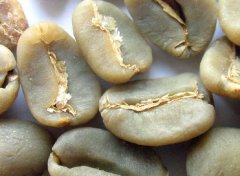
Kenyan grade coffee bean boutique coffee
Usually, Kenyan coffee is classified as follows: 1) Common categories: coffee fruits picked by hand, picked by hand, picked out immature fruit (unripe), overripe fruit (overripe) and other defects, peeled, after about 36 hours of fermentation, placed on a metal grid for sun drying, in the processing plant to remove the seed shell (parchment) to become a blue-green appearance
2016-06-08 Kenya grades divisions coffee beans boutique coffee usually
Brazilian coffee coffee basic knowledge
Brazil has been figuratively compared to the giants and kings of the coffee world. There are about 3.97 billion coffee trees, and small farmers now grow 75 percent of Brazil's coffee. Brazil has twice or even three times as many coffee producers as Colombia, which is the world's second-largest coffee producer. Brazilian coffee refers to coffee produced in Brazil. Brazilian coffee types
2014-11-21 Coffee knowledge Brazilian coffee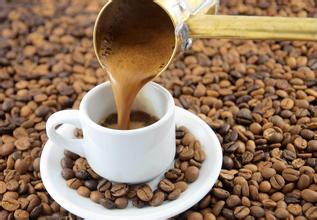
Boutique coffee Rwanda coffee producing area in the western province of Lutexilo
Rwandans have been growing coffee since colonial times, but until 1999, its products were still classified as below Class C and were not popular in the global market. The reason for the poor quality is that farmers do not have a fixed procedure for washing coffee beans and do not process coffee fruits according to specifications in time. Buyers buy coffee beans at $0.33 per kilogram, and farmers keep warm by the meagre profits earned at low prices.
2016-05-12 Boutique coffee Rwanda producing area western province Texi
Fine coffee Rwanda coffee processing method Processing method Washing, elevated shelf drying
Rwandans have been growing coffee since colonial times, but until 1999, the product was classified as below grade C and was not available on the global market. The reason for the poor quality is that farmers do not have a fixed procedure for cleaning coffee beans, and they do not process coffee fruits according to specifications in time. Buyers pay $0.33 a kilo for coffee beans, farmers keep warm on the meager margins they earn at low prices
2016-05-12 boutique coffee rwanda treatment way method washing elevated trellis solarization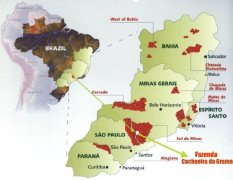
Brazil is the world's largest coffee producer.
Brazil is the world's largest coffee producer. There are many kinds of coffee in Brazil. Most of the Brazilian coffee is sun-treated, and they are classified according to the name of the state of origin and the port of transport. Of the 21 states in Brazil, 17 produce coffee, but four of them produce the largest, accounting for 98% of the country's total output. They are: Parana, Sao Paulo,
2014-09-17 Coffee knowledge Brazilian Coffee Coffee Encyclopedia
Coffee bitter why coffee bitter white sugar creamer coffee sugar
One of the sources of brown bitterness is brown pigment. Brown pigments can be classified according to molecular size, and the larger the molecule, the more bitter it is. In the case of coffee, deep roasting increases brown pigment, followed by larger (more bitter) pigments. When you cook deep-baked beans in daily life, you will find that the bitterness is stronger and the taste is stronger. In fact, Arabica species
2016-06-17 coffee bitter why sugar creamer sweetened come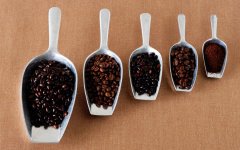
Coffee raw beans roast color change roasted coffee beans
Raw beans constantly change color during baking, depending on the number of brown pigments and the size of molecules. Brown pigments can be classified according to the size of molecules, shallow baking will mostly produce small molecular pigments, with the deepening of baking, the total amount of pigments will increase, and the proportion of macromolecular pigments will also increase. Most of the lightly roasted coffee beans contain yellow
2016-06-12 Coffee raw beans roasting color change coffee beans process medium meeting
Kenya Coffee Grade: Kenya AA
Kenyan coffee has many followers in the boutique coffee industry, and Kenyan AA has an extraordinary popularity. Usually, Kenyan coffee is classified as follows: 1) Common categories: coffee fruits picked by hand, picked by hand, picked out immature fruit (unripe), overripe fruit (overripe) and other defects, peeled, fermented for about 36 hours, and dried in the sun on a metal grid.
2014-09-03 Kenyan coffee
Cuban Crystal Coffee with Coffee beans treated in two ways
In Cuba, the vast majority of coffee beans are picked by hand. Coffee beans are picked about every half a month during the ripening period. During or after picking, coffee beans are classified and those immature and bad beans are removed to ensure the quality of the coffee. Cubans usually deal with coffee beans in two ways: sun exposure and water washing. Sunbathing is the simplest and most.
2016-07-02 Use two ways treatment coffee beans Cuba crystal coffee introduction boutique