“Central American coffee beans” search results (2000)

Aromatic and mild Salvadoran coffee Flavor Taste Manor Features Fine coffee beans Introduction
The flag of El Salvador was adopted in 1822, revoked in 1865, restored in 1912, and officially recognized as the national flag in the Constitution of 1972. The flag is rectangular in shape and has an aspect ratio of 335:189. The flag is composed of three parallel rectangles of blue, white and blue from top to bottom. The white part is painted with the national emblem pattern in the center. El Salvador was a member of the former Central American Federation, and its flag was
2016-08-11 Aroma Taste Mild Salvador Coffee Flavor Manor Region Characteristics Fine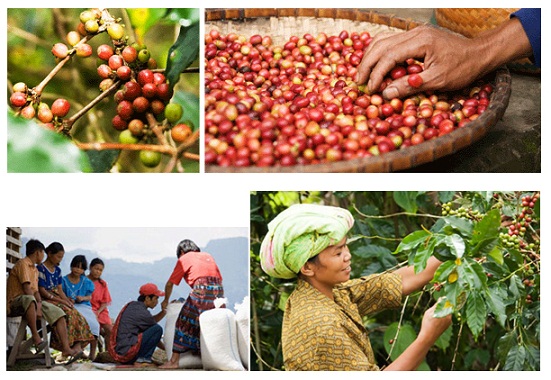
American Coffee Culture Coffee History: Deckley and His Royal Coffee Seedling
Central and South America is now the world's most important coffee-producing area, where more than half of the coffee beans consumed worldwide come from. When it comes to the ancestors of coffee in Central and South America, one cannot fail to mention Martinique, an island, and Gabriel Mathieu de Clieu, a soldier. In 1723, he returned home.
2016-04-06 China Coffee America Coffee Culture History Fun Talk Klee His Royal Medium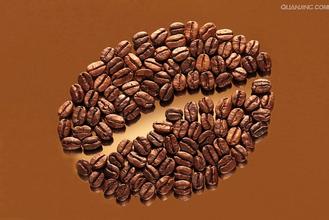
Introduction of boutique coffee beans in coffee flavor and taste areas of Chateau Saint Roman, Costa Rica
1502 C. Columbus discovered the coast of Costa Rica on his fourth voyage. Since then, the Spanish colonists have invaded many times. The city of Catago was founded in 1563 and Costa Rica was colonized by Spain and placed under the jurisdiction of the Governor's Office of Guatemala. During the colonial period, under the cruel enslavement and oppression of the Spanish colonists, the Indians were almost wiped out and there was little labor available for enslavement.
2016-09-03 Costa Rica Roman Manor Coffee Flavor Taste producing area characteristics boutique
Introduction to the types of coffee farms in the mountainous areas of central Costa Rica Tarasu Latin American coffee
In Costa Rica, there are many small-scale but high-quality coffee estates like Elsa, whose idea is to constantly improve the quality of raw coffee beans and get out of their own way of fine coffee in order to obtain the best economic benefits. Coffee is an important export product of Costa Rica, which earns a lot of foreign exchange for the country every year and is vividly called the golden seed. My unique natural conditions are very suitable.
2016-06-21 Costa Rica Central Mountain Coffee Manor species introduction Lamy Nita
The flavor of Colombian coffee beans. Central and South American coffee.
The unique flavor of Colombian coffee has a silky taste. Colombian coffee is equated with high quality and good taste. It is sweet in acid, low in bitterness, rich in nutrition, with a unique sour and mellow taste, and the sour, bitter and sweet flavors of Colombian super coffee match well. Unique fragrance, after drinking, the aroma fills the whole mouth. Handle mouth
2016-04-29 Columbia coffee beans flavor Central and South America coffee unique Colombia
Introduction to the flavor and taste of Nicaraguan lemon manor coffee producing area
Since July 1927, Augusto. Cesar. Sandino led the people in a guerrilla war against the US occupation, forcing the US military to withdraw in 1933. On February 21, 1934, the Commander of the Nicaraguan National Guard, Anastacio. Somocha. Garcia assassinated Sandino at the behest of US President Roosevelt. He became president in 1936 and has been pro-American for more than 40 years since then.
2016-09-02 Implication taste Nicaragua lemon tree manor coffee flavor producing area
Panamanian coffee, the king of coffee price ratio in Central America.
Panamanian Coffee growing Environment Panama is a small country located in the center of the American continent. The waters of the Atlantic and Pacific oceans flood its beaches. Panama is located at 9 degrees north latitude, the meeting point of the Central Mountains, where Mount Baru, one of the highest volcanoes in Central America, is located. The Baru volcano has an altitude of more than 11400 feet and the land around it is rich.
2014-09-18 Panamanian coffee Central American coffee beans Panamanian boutique coffee beans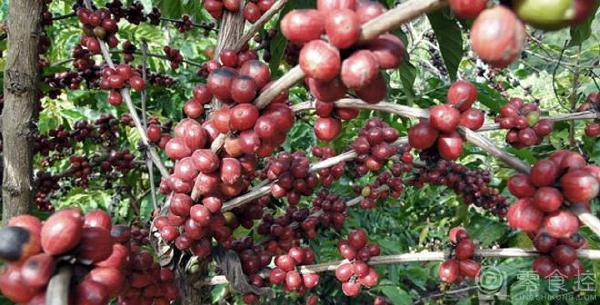
American producing area Costa Rica National Tarasu Coffee Bean acidity ideal fragrance unique strong characteristics
Costa Rican coffee has full grains, ideal acidity and unique strong aroma. Tarrazu of Costa Rica is one of the major coffee producing areas in the world. Costa Rica, with its fertile volcanic soil and good drainage, is the first country in Central America to grow coffee and bananas for commercial value. Coffee and bananas are
2015-12-29 America producing area Costa Rica country Tara Coffee beans acidity ideal Flavor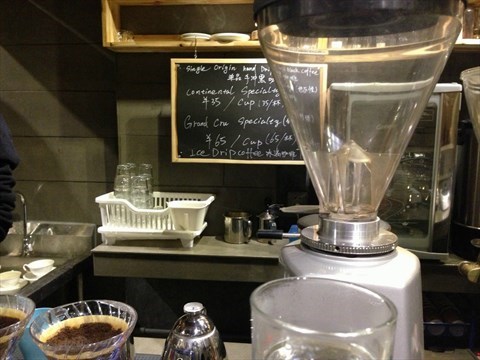
Guatemala Vivetna fruit imported raw beans Central American SHB very hard beans coffee beans how much
Choose fresh coffee beans. When buying, pay attention to whether the color of the beans and the size of the particles are the same. Good coffee beans are shiny and have a strong aroma without being mixed with peculiar smell. No matter what kind of coffee beans, freshness is an important factor affecting the quality. When shopping, grab one or two coffee beans and chew them in your mouth with crisp sound (indicating that the coffee is not damp) and teeth and cheeks.
2016-04-21 Guatemala Viv Tenan Import Raw beans Central America SHB extremely hard Coffee
Introduction to the characteristics of grinding degree of Mexican coffee taste, roasting degree and brewing method
The Olmec civilization (Olmec) is the oldest known American civilization. It existed from about 1200 BC to 400 BC and is located in the rainforest of what is now south-central Mexico and is famous for its large head statues. The Olmec civilization was born in the tropical jungles of the San Lorenzo Highlands of Central America around 1200 BC. San Lorenzo was an early Olmec.
2016-10-15 Mexico coffee grinding features taste baking degree brewing mode introduction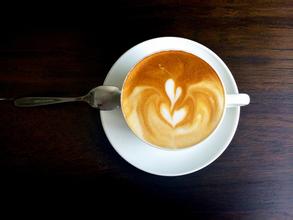
An introduction to the Central American Panamanian Coffee Manor Arida Manor
At such a high altitude, the low temperature delayed the ripening of the coffee berries, about a month later than the normal ripening period, while the fertile volcanic soil provided sufficient nutrients for the coffee, coupled with the excellent microclimate brought by the Baru volcano, Elida Manor was able to achieve good results in cup test competitions. In addition to creating good conditions for coffee cultivation, run Elida Villa.
2016-07-19 Solarization processing Central America Panama Coffee Manor Ellie introduction like this Gao
Guatemala Fine Coffee Extra Hard Coffee Beans Central and South American Coffee
The extra hard coffee beans here are full, delicious and balanced, and the coffee brewed with them is pure and rich. Guatemala coffee once enjoyed a reputation as the best coffee in the world, but quality declined for a while. Happily, however, its popularity is gradually being restored. Father Jesuit introduced coffee trees to Guatemala in 1750, late 19th century
2016-05-19 Guatemala Fine Coffee Extra Hard Coffee Bean Central and South America Here
Costa Rican Diamond Hill Manor Central and South American Coffee
Costa Rica has a long history of cultivating coffee, but in the past 10 years, the new dry treatment method has become a trend, collectively known as the new method of honey treatment, which uses the scraper to adjust the scraping degree of the pulp. Output with the color from light to deep (white, yellow-red-white, yellow-red-black) and show a sense of honey from light to strong, acidity, complex aroma thick feeling has its own depth, each has its own advantages. Diamond Hill
2016-05-14 Costa Rica Stone Mountain Manor Central and South America Coffee cultivation
Introduction to the baking degree of high-quality coffee beans in El Salvador coffee producing areas
The Salvadoran flag was launched in 1822, rescinded in 1865 and restored in 1912. The Constitution of the year of the Salvadoran Flag in 1972 was officially established as the national flag. The national flag is rectangular, with a ratio of length to width of 335 to 189. From top to bottom, the flag is connected by three parallel equal horizontal rectangles of blue, white and blue, and the central part of the white part is painted with the national emblem. Because El Salvador used to be
2016-09-23 El Salvador coffee variety producing area flavor taste boutique coffee beans roasting
Costa Rican Yerzaro Coffee Flavor description introduction of fine coffee beans in the producing area
In the six general elections from 1953 to 1978, the National Liberation Party won four times. During its administration, the party emphasized state intervention in the economy, nationalization of some industries, increased import taxes to protect national industries, forced United fruit companies to increase income tax, strengthened relations with other Latin American countries and Western Europe, changed the situation of relying solely on the United States, joined the Central American Common Market in 1963, and became a member of the Central American Common Market for 70 years.
2016-09-23 Costa Rica Yelsa Luo Coffee Coffee Flavor description producing area characteristics essence
Aromatic, pure, slightly acidic Salvadoran Himalayan coffee flavor Taste Manor Introduction
The flag of El Salvador was adopted in 1822, revoked in 1865, restored in 1912, and officially established as the flag of El Salvador in the Constitution of 1972. The flag is rectangular in shape and has an aspect ratio of 335:189. The flag is composed of three parallel rectangles of blue, white and blue from top to bottom. The white part is painted with the national emblem pattern in the center. Because El Salvador was the original.
2016-09-07 Aroma Pure Slightly Acidic Salvadoran Himalayan Coffee Flavor Taste Manor
American Coffee from Costa Rica Starica Coffee Variety Fire Phoenix Manor Red Honey
Arrazu, from Costa Rica, is one of the major coffee producing areas in the world. The coffee produced by Tarasu has a light and pure flavor and pleasant aroma. Costa Rica, with its fertile volcanic soil and good drainage, is the first country in Central America to grow coffee and bananas for commercial value. Coffee and bananas are the country's main exports. Costa Rica with extra hard beans and high quality
2016-03-26 America Coffee Costa Rica Origin Starr Liga Coffee beans varieties Huofeng
Coffee output ranks fourth in the world. Central America and Mexico produce boutique coffee beans.
A brief introduction to Mexican Coffee Mexico is close to the United States in the north. Due to geographical and climatic reasons, its coffee growing area is close to Guatemala, the production classification belongs to the Central American type, and its coffee output ranks fourth in the world. Brother Mo, about 70% of his coffee is exported directly to the United States, which is washed and divided into three grades according to their height. Generally speaking, the evaluation of Mexican coffee is moderate.
2014-07-22 Mexican coffee beans Central American boutique coffee beans boutique single coffee beans
Tarasu Latin American coffee Costa Rican coffee the mountains of central Costa Rica
Make a cup of Costa Rican coffee, pour it into the cup and taste it carefully, then you can appreciate its unique fragrance and rich flavor. The soft, moderate sour taste and rich aroma make the final rhyme reverberate in the throat for a long time, unforgettable. It has even been commented that some of the flavors of Costa Rican coffee are very similar to those of Kona and the Blue Mountains of Jamaica. Costa Rica's coffee industry was originally made up of
2016-06-14 Tara Latin America Coffee Costa Rica Central Mountain one Cup Goss
Costa Rican Coffee Culture Costa Rica Coffee History
Costa Rica, with a population of only 3.5 million, has 400 million coffee trees, and coffee exports account for 25 per cent of the country's total exports. Costa Rica also benefits from the Central American Society for Agricultural Research (Turrialba of the Central American Agricultural Research Institute, IAAC) in Tarasu, which is an important international research center.
2016-05-27 Costa Rica coffee culture coffee history population only 3