“C8H10N4O2.” search results (30000)

Colombia coffee history trace species morphology
The history of coffee cultivation in Colombia can be traced back to the Spanish colonial era in the 16th century. There are also many sayings about the history of coffee in Colombia: First, it is said that it came from the Caribbean island of Haiti via Salvador in Central America. Second, coffee beans were first introduced into Colombia in 1808 by a priest from the French Antilles via Venezuela. one of
2016-05-29 Colombia Coffee History Origin Species Form Cultivation
Congo Coffee, the largest coffee exporter of PNG, gets a loan of 10 million.
The IFC, a member of the World Bank Group, will work with PNG South Pacific Bank to set up a risk-taking mechanism to ensure that South Pacific Bank will provide a loan of 10 million Gina to Congo Coffee, the largest coffee exporter in PNG. The National newspaper of Papua New Guinea reported on July 2 that the International Finance Corporation, a member of the World Bank Group, will work with the Singapore South Pacific Bank to establish the wind.
2016-09-13 PNG largest coffee exporter Congo company loan 10 million World Bank
Colombian coffee storage method unique flavor
The history of coffee cultivation in Colombia can be traced back to the Spanish colonial era in the 16th century, and there are many theories about the history of coffee in Colombia: one: it is said to come from the island of Haiti in the Caribbean and from El Salvador in Central America. Second: in 1808, a priest introduced coffee beans to Colombia for the first time from the French Antilles via Venezuela. One of them
2016-05-25 Colombia coffee storage method unique flavor cultivation
Coffee basic knowledge 10 steps of DIY coffee detection
1. Prepare a little (about 10 grams) freshly roasted and immediately ground coffee in a small cup. 2. Smell it and see its dry fragrance. 3. Pour in the hot water of about 95 degrees Celsius. Do not boil and immediately pour it into the coffee powder. Let it stand for about half a minute and then pour into the coffee powder after the temperature drops slightly. 4. Smell the aroma coming from the rising steam. 5. Place this cup of sample for three to five minutes
2015-06-12 Coffee basics common sense DIY testing 10 steps preparation a little ten
The History of Colombian Coffee in the Caribbean Island
History traces back to Colombian coffee brand Colombian coffee brand (9) the history of coffee cultivation in Colombia can be traced back to the Spanish colonial era in the 16th century, and there are many theories about the history of coffee in Colombia: one: it is said to come from the island of the Caribbean and by sea through El Salvador in Central America. Second: in 1808, a priest came from French Ann.
2016-06-18 Caribbean Haiti Colombia Coffee History Origin Goran
Species Morphology and Variety Grade History of Colombian Coffee
The main varieties of Colombian coffee are small grains of coffee. Plants are small trees or large shrubs, 5-8 m tall, usually much branched at base; old branches gray-white, nodes dilated, young branches glabrous, compressed. Leaves thinly leathery, ovate-lanceolate or lanceolate, 6-14 cm long and 3.5-5 cm wide, tip long acuminate, acuminate part 10-15 mm long, base cuneate or slightly obtuse, rarely rounded, entire or
2016-05-29 Columbia Coffee species Morphology Variety Grade History Colombia
Colombian coffee growing environment Colombian coffee variety grade
Colombian coffee grades are divided into several Colombian coffee-growing histories, dating back to the Spanish colonial era in the 16th century, and there are many theories about the history of coffee in Colombia: one: it is said to come from the island of the Caribbean and from El Salvador in Central America. Second: in 1808, a priest transferred coffee beans from the French Antilles to Venezuela.
2016-05-27 Colombia Coffee planting Environment Variety Grade Columbia Coffee
10 steps for coffee detection
1. Prepare a little (about 10 grams) freshly roasted and immediately ground coffee in a small cup. 2. Smell it and see its dry fragrance. 3. Pour in the hot water of about 95 degrees Celsius. Do not boil and immediately pour it into the coffee powder. Let it stand for about half a minute and then pour into the coffee powder after the temperature drops slightly. 4. Smell the aroma coming from the rising steam. 5. Place this cup of sample for three to five minutes
2014-08-09 Coffee knowledge coffee testing coffee encyclopedia
Quality of Colombian coffee grade producing area
The history of coffee cultivation in Colombia can be traced back to the Spanish colonial era in the 16th century, and there are many theories about the history of coffee in Colombia: one: it is said to come from the island of Haiti in the Caribbean and from El Salvador in Central America. Second: in 1808, a priest introduced coffee beans to Colombia for the first time from the French Antilles via Venezuela. One of them
2016-05-27 Colombia Coffee Grade Origin quality cultivation History
Coffee Culture DIY Coffee Detection 10 Steps
1. Prepare a small amount (about 10 grams) of freshly roasted and immediately ground coffee in a small cup. 2. Smell it and smell it dry. 3, pour about 95 degrees of hot water ~ do not boil immediately after pouring ~ let it stand for about half a minute, wait for its temperature to drop slightly, then pour into the coffee powder. 4, and then smell the aroma coming with the rise of steam. 5. Leave the cup for three to five minutes
2014-09-26 Coffee culture DIY coffee
January 16th international coffee futures 115cents (pounds), Yunnan local fresh beans 14.557 yuan kg
International Coffee Futures Price Type C Coffee Futures latest price 115cents / lb (about 16.657 yuan / kg), opening price is 115.6 cents / lb (about 16.744 yuan / kg), the highest is 115.65 cents / lb (16.751 yuan / kg), the lowest is 113.65 cents / lb (about 16.462 yuan / kg)
2016-01-18 January 16th international coffee futures 115 cents Yunnan local fresh
Basic knowledge of standard coffee beans sampled from bagged coffee beans
1 range this section specifies the sampling method for 10 or more bags of coffee beans. This section applies to: basic samples for supply; to test whether the coffee beans to be supplied comply with the producer's sales regulations; to determine one or more of the characteristics of coffee beans in order to provide a basis for technical, commercial, management and arbitration; quality control or quality inspection; as a dispute
2015-10-14 Bags coffee beans sampling standards basics common sense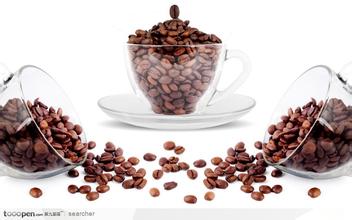
Main Edible efficacy of Colombian Coffee
The history of coffee cultivation in Colombia can be traced back to the Spanish colonial era in the 16th century, and there are many theories about the history of coffee in Colombia: one: it is said to come from the island of Haiti in the Caribbean and from El Salvador in Central America. Second: in 1808, a priest introduced coffee beans to Colombia for the first time from the French Antilles via Venezuela. One of them
2016-05-24 Colombia coffee main edible efficacy cultivation history
10 steps for DIY Coffee Detection
1. Prepare a little (about 10 grams) freshly roasted and immediately ground coffee in a small cup. 2. Smell it and see its dry fragrance. 3. Pour in the hot water of about 95 degrees Celsius. Do not boil and immediately pour it into the coffee powder. Let it stand for about half a minute and then pour into the coffee powder after the temperature drops slightly. 4. Smell the aroma coming from the rising steam. 5. Place this cup of sample for three to five minutes
2014-05-21 Coffee tasting coffee testing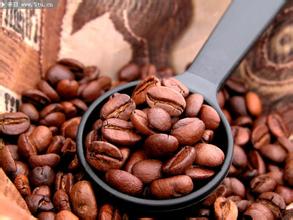
Costa Rican Coffee individual Coffee Historical Origin and quality
The history of coffee cultivation in Colombia can be traced back to the Spanish colonial era in the 16th century, and there are many theories about the history of coffee in Colombia: one: it is said to come from the island of Haiti in the Caribbean and from El Salvador in Central America. Second: in 1808, a priest introduced coffee beans to Colombia for the first time from the French Antilles via Venezuela. One of them
2016-05-25 Costa Rica coffee individual products history traceability origin quality Colombia species
January 27th Yunnan local fresh beans 14.76 yuan kg, international coffee futures 116.5 cents (lb)
The latest price of type C coffee futures is 116.5 cents / lb. and the opening price is 116.15 cents / lb (about 16.806 yuan / kg). The highest price for the day was 117.2 cents / lb (16.96 yuan / kg), and the lowest was 114.65 cents / lb.
2016-01-28 January 27 Yunnan local fresh beans 14.76 yuan international coffee period
Colombian Santa Rita Manor Coffee with Gump in Acid: grindability, Price, Taste, introduction to the producing areas
The main varieties of Colombian coffee are small grains of coffee. Plants are small trees or large shrubs, 5-8 m tall, usually much branched at base; old branches gray-white, nodes dilated, young branches glabrous, compressed. Leaves thinly leathery, ovate-lanceolate or lanceolate, 6-14 cm long and 3.5-5 cm wide, tip long acuminate, acuminate part 10-15 mm long, base cuneate or slightly obtuse, rarely rounded, entire or
2016-10-08 Sour with Gump Columbia Santa Rita Manor Coffee Grinding Price taste
10 Steps to Good Coffee Testing How to Test Good Coffee Beans?
1. Prepare a small amount (about 10 grams) of freshly roasted and immediately ground coffee in a small cup. 2. Smell it and smell it dry. 3, pour about 95 degrees of hot water ~ do not boil immediately after pouring ~ let it stand for about half a minute, wait for its temperature to drop slightly, then pour into the coffee powder. 4, and then smell the aroma coming with the rise of steam. 5. Leave the cup for three to five minutes
2015-09-16 coffee test 10 steps how coffee beans good or bad prepare a little ten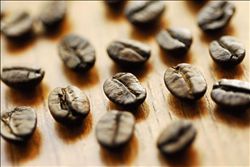
An introduction to the Origin Culture of Colombian Coffee
The history of coffee cultivation in Colombia can be traced back to the Spanish colonial era in the 16th century, and there are many theories about the history of coffee in Colombia: one: it is said to come from the island of Haiti in the Caribbean and from El Salvador in Central America. Second: in 1808, a priest introduced coffee beans to Colombia for the first time from the French Antilles via Venezuela. One of them
2016-06-05 Colombia Coffee characteristics Origin Culture introduction cultivation
Introduction of Coffee Bean Origin and Variety Coffee Bean species and comparison
The history of coffee cultivation in Colombia can be traced back to the Spanish colonial era in the 16th century, and there are many theories about the history of coffee in Colombia: one: it is said to come from the island of Haiti in the Caribbean and from El Salvador in Central America. Second: in 1808, a priest introduced coffee beans to Colombia for the first time from the French Antilles via Venezuela. One of them
2016-05-25 Coffee beans origin variety introduction type comparison Colombia cultivation coffee