“Bolivia” search results (565)

Bolivian coffee boutique coffee black coffee
Coffee trees that go to Bolivia are often planted around the garden as hedges, decorating flowers and trees. Real commercial production began in the early 1950s. The coffee industry in Brazil was badly damaged by the great frost in 1957, while Bolivia (Bolivia) benefited and developed rapidly. Bolivian coffee is grown at an altitude of 180,670 meters above sea level.
2016-05-19 Bolivia coffee boutique trees planted in garden around
Introduction of Bolivian coffee beans
In the past, coffee trees in Bolivia used to act as hedges and ornaments around the garden. Real commercial production began in the early 1950s. The great frost of 1957 seriously damaged Brazil's coffee industry, while Bolivia (Bolivia) benefited from it and developed rapidly. Bolivian coffee is grown at an altitude of 180,670 meters above sea level.
2016-06-04 Bolivia coffee beans introduction in the past coffee trees plants flowers
Bolivian coffee snow vein manor flavor taste characteristics boutique coffee beans introduction
In 1932 Bolivia and Paraguay fought for oil resources in the North Chaco region and the Chaco War broke out. Bolivia was defeated and lost a large part of its territory. April 1952 outbreak of armed popular uprising, nationalist revolutionary movement leader Passeden Soro took office as president. Since then, military coups have been frequent and the political situation has been turbulent for a long time. October 1983 Restoration of modern assets with South American characteristics
2016-09-01 Bolivia Coffee Snow Veins Manor Flavor Taste Characteristics Fine Coffee Bean
Bolivian coffee bean flavor Bolivian coffee manor
South America is rich in coffee beans, and Bolivia is no exception. The unique tropical rain forest environment in some parts of Bolivia provides excellent natural conditions for the growth of organic coffee. The aroma of Bolivian coffee is rich and unique, both the aroma of ground beans and the aroma of coffee are obviously rich, similar to the mixture of flower and fruit aroma, which is impressive.
2016-08-31 Bolivia coffee beans flavor coffee manor South America rich glass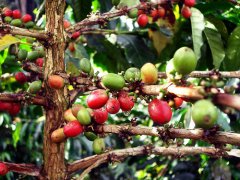
Boutique coffee Lake Titicaca in Bolivia small farmers in Pagabana have few coffee beans in America.
Boutique coffee (specialty coffee) is also called specialty coffee selection coffee. It refers to coffee made from a small number of raw beans with excellent taste grown in an ideal geographical environment. Depending on the special soil and climatic conditions in which they grow, they have outstanding flavor. After strict selection and classification, this kind of coffee is hard in texture, rich in taste and stylish.
2016-06-29 Boutique specialty coffee Bolivia Lake Titicaca Tupa Panas small farmers
How do Bolivian coffee beans taste? how to pick coffee?
Bolivia S.H.G Karanawi | Bolivia S.H.G Caranavi Bolivia Karanawi has a bright sour taste like lemon and citrus aromas, as well as a hint of chocolate. Bolivian Karanawi coffee has a refreshing and pleasant sour taste, but its sour taste is not particularly prominent and blends well with other flavors. It is characterized by the fact that after drinking
2016-06-05 Bolivia coffee beans flavor how coffee picking S.H.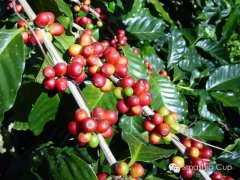
Bolivia's Lake Titicaca area tapping Pagabana small farmers American flavor beans
Boutique coffee is fresh coffee. Whether it's food or drink, of course, the fresh the better, and so is boutique coffee. High-quality coffee should keep the coffee beans fresh before making, including the preservation of baked beans, and grind the coffee beans into powder before making, which is also to retain its original and best flavor. And the way of making hand-made coffee is such a way to make high-quality coffee.
2016-07-01 Bolivia Lake Titicaca producing area Tupa Panas small Farmer America Flavor
Introduction to the characteristics of Bolivian boutique coffee beans coffee flavor and manor producing areas
In the past, coffee trees in Bolivia used to act as hedges and ornaments around the garden. Real commercial production began in the early 1950s. The coffee industry in Brazil was seriously damaged by the great frost in 1975, while Bolivia (Bolivia) benefited from it and developed rapidly. The origin of Bolivian coffee: Bolivian coffee at an altitude of 180 Muhami 670 meters.
2016-09-07 Bolivia boutique coffee beans coffee flavor taste manor producing area characteristics
Introduction to the taste description of boutique coffee bean manor in Bolivian coffee producing area
In the past, most of the coffee in Bolivia was of mediocre quality, but in recent years, the production of boutique coffee has developed rapidly, and there have been a lot of pretty good beans. In recent years, the COE (Cup of excellence) system, which was first implemented in Brazil, has become more and more popular. Bolivia has also introduced this system, which can stimulate the enthusiasm of coffee farmers on the one hand and improve it on the other.
2016-09-27 Bolivia coffee producing area boutique coffee beans manor taste description variety
Introduction to Snow vein Manor in Bolivia Coffee Manor
Takesi Manor, drinking water and coffee after harvest treatment, using alpine melting cold snow landscape, so we give her a nickname: Takesi Snow vein Manor; in addition to low temperature, pollution-free environment, fertile and well-drained volcanic soil, is also an element of coffee flavor, although the owner of Agrotakesi SA is rich, but deep respect for nature and the way to get along, but
2016-08-08 Bolivia coffee manor producing area flavor taste characteristics introduction snow vein
Introduction of high-quality coffee beans in Bolivian coffee flavor and taste areas
Bolivia was rescued from independence by Bolivar, a national hero from Caracas, Venezuela, during the War of Independence in Latin America in the 18th century, so the country was named after him. On August 6, 1825, independence from Spain was declared, named the Bolivarian Republic, and later changed to its present name. It formed a federation with Peru in 1836 and collapsed as a result of the Chilean invasion in 1839. one hundred and eighty six
2016-09-21 Bolivia coffee flavor taste producing area characteristics boutique coffee beans introduction
Bolivia Coffee Manor production area introduction Xuemai Manor introduction Fine Coffee beans
Takesi Manor is located in the Mururata mountain area of Sud Yungas, about 100km away from the capital La Paz, and can only be reached by the Inca ancient road. Here, it is still a branch of the Andes, and the manor belongs to the Agrotakesi SA institution. The whole farm has about 2500 hectares, about 1900 to 3000 meters above sea level. Takesi, which grows coffee, is as high as 2100 meters above sea level, which should be a rare high altitude.
2016-07-19 Bolivia coffee manor producing area introduction snow vein boutique coffee beans Tak
Introduction to the method of describing the Flavor of Bolivian Snow vein Manor Coffee with Citrus Fruit
In the past, most of the coffee in Bolivia was of mediocre quality, but in recent years, the production of boutique coffee has developed rapidly, and there have been a lot of pretty good beans. In recent years, the COE (Cup of excellence) system, which was first implemented in Brazil, has become more and more popular. Bolivia has also introduced this system, which can stimulate the enthusiasm of coffee farmers on the one hand and improve it on the other.
2016-10-12 Oranges fruit Bolivia snow veins manor coffee flavor description grinding place
Bolivian coffee processing, planting area, Tibica
Bolivia FTO SHG EP producing country: Bolivia Grade: SHG planting area: Yonggas Brand: Caranavi treatment method: wet treatment appearance: 2dshock 300gr 18SCR 17-18SCR Variety: Tibica Note: this is a lively, light, bright and vibrant coffee. Dry aroma is an unusual nutty aroma, somewhat similar to peanut butter. The wet aroma has vanilla and vanilla
2016-06-03 Bolivia Coffee treatment method planting region Tibbi FT
Almond dry aroma Bolivian coffee grind characteristics Variety flavor taste introduction
The legal capital, seat of the Supreme Court, has a population of 284,000 and an altitude of 2790 meters. Founded in 1538, the city was formerly known as Chuquisaca. In 1809 the city was the scene of South America's first insurrection against Spanish rule. Bolivia declared independence here in 1825. It was designated as the capital in 1826. In 1839, it was renamed Sucre in honor of Bolivia's second president, General Antonio Jose Sucre.
2016-10-10 almond aromatic bolivian coffee grind characteristics variety appellation flavor mouth
Introduction of Bolivian coffee planting areas planted at an altitude of 180,670 meters above sea level
In the past, coffee trees in Bolivia used to act as hedges and ornaments around the garden. Real commercial production began in the early 1950s. The great frost of 1957 seriously damaged Brazil's coffee industry, while Bolivia (Bolivia) benefited from it and developed rapidly. Bolivian coffee is grown at an altitude of 180,670 meters above sea level, including Allah.
2016-06-23 Altitude 180670 m altitude planting Bolivia coffee region medium
Introduction to the original planting environment of Bolivian boutique coffee beans Xuemai Manor coffee flavor and taste
Bolivia boutique coffee beans legal capital, the seat of the Supreme Court, population 284000, 2790 meters above sea level. Founded in 1538, the city was formerly known as Chuquisaka. The city witnessed the first uprising in South America against Spanish rule in 1809. Bolivia declared its independence here in 1825, became its capital in 1826, and commemorated Antonio Jos é suk, the second president of Bolivia, in 1839.
2016-09-08 Bolivia boutique coffee beans producing areas planting environment region introduction snow veins
Bolivia Coffee Estate Introduction Snow Veins Estate Yangas region northeast of La Paz
Bolivia's high-quality estate, altitude is very high, the environment of low temperature all the year round, so that coffee fruit growth is slow, close enough, aroma is charming, floral flavor is obvious, such as careful processing, picking the same maturity of cherries, often have a clean and delicate senior taste, this elegant vanilla and peach flavor is very attractive, this champion bean flower aroma is very diverse, vanilla and honey sweet feeling is very lasting. to
2016-07-11 Bolivia Coffee Manor Region Introduction Snow Veins La Paz Northeast Gas
Description of Coffee Flavor of Xuemai Manor in Bolivia introduction to the taste characteristics of fine coffee beans in the producing area
Bolivia is 1/3 of the Andean mountains, rugged terrain, mainly road transport, accounting for more than 85% of transportation. The main railway and road networks are concentrated in the west, and remote areas rely on air communication. But road coverage is the lowest in South America. And there is also the Ronggas Highway, the world's first insurance road known as the road to death. There is no developed economy here. It is the poorest in South America.
2016-09-27 Bolivia Snow vein Manor Coffee Flavor description producing area Fine goods Coffee beans
What is the unique flavor of Bolivian coffee?
Coffee was really commercially produced in Bolivia in the 1950s (at first coffee trees were planted around homes as fences), but the coffee industry grew rapidly in a very short time. This is partly due to the impact of the Brazilian frost in 1975, when Brazil's coffee industry was hit hard, and Bolivia's coffee industry took advantage of the opportunity to develop rapidly. The coffee is mellow.
2016-06-14 Bolivia coffee what unique flavor really start