“Big coffee exporter” search results (1000)
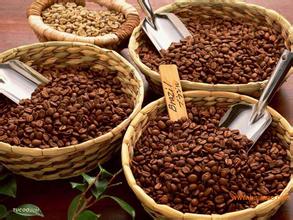
Details of coffee producing areas: the history of coffee development in Indonesia
Indonesia's coffee business originated in 1696 and took place during the Dutch colonization of Indonesia from a spice farm in Batavia to a coffee producing area, making Java and Sumatra the third largest coffee exporter in the world today. From traditional coffee to special espresso coffee has been recognized by Indonesia as a cash crop for more than 300 years.
2015-12-03 Coffee producing area details introduction Indonesia Development History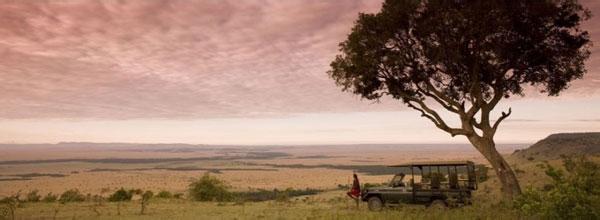
Practical information: there is a big rise in the coffee family. If you like coffee, you must understand the coffee boutique life in Kenya.
Kenyan coffee is mostly grown at an altitude of 1500m, 2100m, and is harvested twice a year. Its main feature is a distinct fruit aroma, the common fruit aroma is citrus. Kenyan coffee has a multi-layered taste and juice acidity, perfect grapefruit and wine flavor, moderate mellow, is the favorite of many people in the coffee industry. Kenya Coffee borrows Hollywood movies
2016-04-26 Practical information coffee family Daqi like must understand boutique life Kenya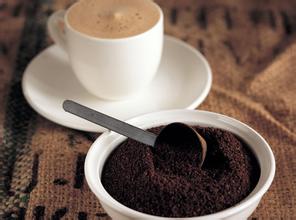
Introduction of two major coffee producing areas in Indonesia: Lindong Sidamo, Sumatra
It can be said that Indonesians have adhered to the habit of drinking black coffee for a long time from the past to the present, and black coffee was recognized by Indonesians before espresso. People's favorite coffee is bagged instant coffee and black coffee called KopiTubruk, which costs about 3000 rupees (about 12 baht). The characteristic of Indonesian coffee is that they like fried bananas like Turkish style.
2016-06-30 Indonesia two major coffee producing areas introduction Sumatra island forest east and west da
Boutique Indian coffee wind-stained Malaba coffee beans
Indian coffee style stained Malaba coffee beans our mysterious impression of India is not only its coffee, but also tea, temples, yoga, sitaqin, or even the more negative abnormal big cities, and so on. The reason why there are so many kinds of Indian beans on the market today must be attributed to the indomitable Indian coffee expert and importer Dr. Joseph Johns. Past 10
2014-09-18 Boutique Indian coffee wind-stained Malaba coffee beans
Guatemala Antigua Flower God Coffee Flavor description treatment characteristics of planting environment introduction of varieties
Between 1950 and 1954, the ruling president Jacobo Abens implemented land reform, when big landlords, who accounted for 2 per cent of the country's population, owned about 70 per cent of the country's arable land. Arbens wrote a check for land reform, promising to buy the land held by the big landlords and redistribute it to small farmers. Arbens won the election, and the land reform plan was carried out immediately. For owning land greater than 223
2016-10-15 Guatemala Antioch Flower God Coffee Flavor description treatment characteristics planting Ring
Asian Indian coffee wind-stained Malaba coffee beans
Our mysterious impression of India is not only its coffee, but also tea, temples, yoga, sitar, or even the more negative abnormal big cities, and so on. The reason why there are so many kinds of Indian beans on the market today must be attributed to the indomitable Indian coffee expert and importer Dr. Joseph Johns. Over the past 10 years, he has made eye-catching press releases and websites
2015-04-17 Asia India coffee wind stains Malaba Rabbah coffee beans
Indian coffee wind-stained Malaba coffee beans
Indian Coffee style stained Malaba Coffee beans Indian Coffee-enigmatic Coffee in a mysterious country our mysterious impression of India is not only in its coffee, but also in tea, temples, yoga, sitaqin, or even the more negative abnormal big cities. The reason why there are so many kinds of Indian beans on the market today must be attributed to the indomitable Indian coffee experts and imports.
2014-09-17 Indian coffee wind-stained Malaba coffee beans
Introduction to the characteristics of Coffee Flavor description and Grinding degree in Incht Manor, Guatemala
Between 1950 and 1954, the ruling president Jacobo Abens implemented land reform, when big landlords, who accounted for 2 per cent of the country's population, owned about 70 per cent of the country's arable land. Arbens wrote a check for land reform, promising to buy the land held by the big landlords and redistribute it to small farmers. Arbens won the election, and the land reform plan was carried out immediately. For owning land greater than 223
2016-10-10 Smooth hard high Guatemala Hutt manor coffee flavor description research
From 2012 to 2016, the development of the coffee industry ranked the top five coffee in the world as coffee consumption in China.
From 2012 to 2016, the coffee consumption market entered a period of rapid development. Coffee consumption in Chinese cities, the average annual coffee consumption per person is 4 cups, even in big cities such as Beijing and Shanghai, the annual consumption per person is only 20 cups. In Japan and Britain, each person drinks an average of one cup of coffee a day. Japan and Britain are both famous tea culture countries in the world.
2016-03-08 2012-2016 Coffee Industry Development Global Big five ranking medium
Kenya Coffee Grade Planning
Bean type filter number code caffeine bean size flat bean 20-29 large 18 large 17 quasi-big 16 ordinary 15 medium 14 small 13-12 super small round bean 13-12 large 11 quasi-large 10 ordinary 9 medium 8 small table one graded by filter number and coffee bean size D. Graded by elevation (see Table 2) according to the elevation of the cultivated land, it can be divided into three, four, seven and so on.
2016-05-31 Kenya Coffee Grade Planning Ping Dou 20-29 extra large quasi-large ordinary
Introduction to the producing area of high-quality coffee beans in South America
1. Brazil is the first coffee producer and marketer in the world. The annual output of coffee beans exceeds 30 million bags (60 kilograms each). Coffee experts do not think highly of their beans, saying that they are too monotonous, bitter, sour and fragrant enough, and are not even included in the list of producing areas of fine coffee. Because most of the Brazilian coffee gardens are less than 1200 meters above sea level, there are no big trees to shade, and the way of picking beans is rough and ripe.
2015-01-19 Boutique Coffee beans South America region producing country Origin introduction Brazil Bra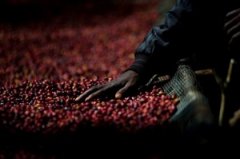
Mysterious country's mystery coffee boutique Indian coffee wind-stained Malaba coffee beans
Indian coffee style stained Malaba coffee beans our mysterious impression of India is not only its coffee, but also tea, temples, yoga, sitaqin, or even the more negative abnormal big cities, and so on. The reason why there are so many kinds of Indian beans on the market today must be attributed to the indomitable Indian coffee expert and importer Dr. Joseph Johns. Past 10
2014-07-22 Prices of Indian coffee beans Malaba coffee beans and Indian boutique coffee beans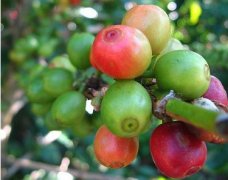
Coffee producing countries in South America introduce the origin of fine coffee beans, Brazil and Colombia.
1. Brazil is the first coffee producer and marketer in the world. The annual output of coffee beans exceeds 30 million bags (60 kilograms each). Coffee experts do not think highly of their beans, saying that they are too monotonous, bitter, sour and fragrant enough, and are not even included in the list of producing areas of fine coffee. Because most of the Brazilian coffee gardens are less than 1200 meters above sea level, there are no big trees to shade, and the way of picking beans is rough and ripe.
2016-03-24 South America region coffee producing country introduction boutique coffee beans origin Brazil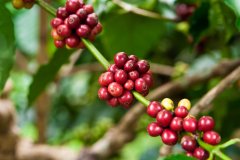
Southeast Asian coffee Vietnamese coffee
Today's production power, tomorrow's production giant. Perhaps under the influence of French colonial rule, coffee grown in Vietnam has a French flavor. Arabica coffee was first brought to Vietnam by French missionaries. More than 400,000 coffee trees were introduced to Vietnam from 1865 to 1876 and were planted near Tonkin Bay, mostly Java or bourbon varieties. At present, coffee production in Vietnam is continuous.
2016-05-21 Southeast Asia coffee Vietnam today production big country tomorrow giant Xu France
The classification of coffee beans the essentials of distinguishing coffee beans
● 's key to distinguishing coffee beans has recently been increasing the number of unroasted raw coffee bean stores across the country in response to the gourmet needs of customers. In the store, you can personally choose what you like from the raw coffee on display, and some stores can also bake it for you on the spot. In this way, you can taste the fried and fragrant coffee at home. Here, it will be
2015-08-19 Coffee beans classification discrimination essentials coffee beans recently response care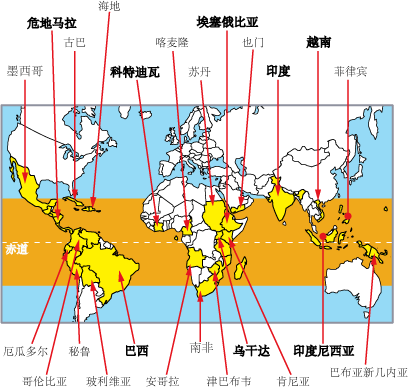
Vietnamese coffee is characterized by Japanese investment in Vietnamese coffee and French flavor.
Vietnam is a big producer today and a giant of tomorrow. Perhaps under the influence of French colonial rule, coffee grown in Vietnam has a French flavor. Arabica coffee was first brought to Vietnam by French missionaries. More than 400,000 coffee trees were introduced to Vietnam from 1865 to 1876 and were planted near Tonkin Bay, mostly Java or bourbon varieties. At present, the output of coffee in Vietnam is
2016-04-11 Vietnam coffee
Rwanda Coffee Flavor and Taste Manor characteristics of Malaba Coffee Coffee Chimeier Manor
Angola Angola, once a big coffee producer, now has an uncertain future. In the mid-1970s, Angola (Angola) exported 3.5 million bags of coffee a year, 98 per cent of which was Roberts (probably the best in Africa), but total production fell to 200000 bags in 1990. The best brands in Angola used to be Ambriz and Amborm.
2016-07-25 Rwanda coffee flavor taste manor producing area characteristics introduction Malaba la
Introduction to the Origin of Fine Coffee beans in South America Coffee Coffee in Coffee Manor Coffee producing area
1. Brazil is the first coffee producer and marketer in the world. The annual output of coffee beans exceeds 30 million bags (60 kilograms each). Coffee experts do not think highly of their beans, saying that they are too monotonous, bitter, sour and fragrant enough, and are not even included in the list of producing areas of fine coffee. Because most of the Brazilian coffee gardens are less than 1200 meters above sea level, there are no big trees to shade, and the way of picking beans is rough and ripe.
2016-03-23 South America boutique coffee beans origin introduction cultivation coffee manor producing area Pakistan
Refreshing taste of the Kenyan Jinchu Valley boutique coffee bean flavor taste manor production area
His brother Malik was called Bobby when he was young. he was born powerful and was a big man. Malik had a dark complexion, and when he smiled, his mouth showed two rows of white teeth. He had short curly hair and occasionally wore a Turkish felt hat. He often walks with a bent waist, as if his tall figure makes him feel uncomfortable. His eyes are always red, as if he had not gone to bed yet.
2016-08-11 Refreshing taste Kenya Jinchu boutique coffee beans flavor manor producing area special
South America Brazil big country boutique coffee Bahia coffee beans
Bahia is one of the 26 states in Brazil and is located in the northeast. It covers an area of 564692 square kilometers, accounting for 6.6 per cent of Brazil's land area. The capital is Salvador. Culture: due to historical reasons, Bahia is the place where Brazil is most influenced by Africa, and it is the center of non-Brazilian culture. Yoruba-style Candombl religion, and Capoeira Wushu is a typical example of African influence.
2014-07-22 Brazilian boutique coffee Bahia coffee bean Brazilian coffee bean price