“Auction” search results (1680)

Introduction of World Coffee producing area to Kenya (2)
On the history and development of coffee cultivation: the history of coffee cultivation in Kenya began in 1893 after Scottish missionaries introduced mocha to Kenya from the port of Aden in Yemen. Until 1950, coffee was grown on a large scale mainly by European immigrants on farms that were conducive to mechanized farming and irrigation. After 1952, the government also allowed some farmers to lack
2014-09-10 Coffee knowledge coffee origin origin introduction Kenya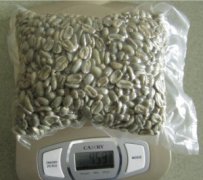
Boutique Coffee Geisha from Esmeralda Farm
In the world boutique coffee auction website, Esmeralda? The raw beans for Enxia coffee at Haramiqiong Farm have been shown as the highest price for several years in a row, and in 2007 they are famous for the highest price of USD130/ pounds, while the best single raw beans are available on this auction website.
2014-07-03 Boutique coffee Geisha Panama boutique coffee beans
Coffee Farm in Kenya Coffee growing area
The Kenyan Coffee Commission pays growers a price below the market price. The best coffee grade is bean berry coffee (PB), followed by AA++, AA+, AA, AB and so on. The fine coffee is shiny, delicious and slightly alcoholic. Auctions are also organized to meet the needs of dispatchers. This kind of auction is usually small (3-6 tons each), with growers attached.
2016-06-06 Kenya Coffee planting region Manor Committee pay
Introduction to the quality and taste of Kenyan coffee
The Kenyan government takes the coffee industry very seriously, where it is illegal to cut down or destroy coffee trees. Kenyan coffee buyers are world-class high-quality coffee buyers, and no other country can grow, produce and sell coffee on a continuous basis like Kenya. All the coffee beans were first acquired by the Kenya Coffee Commission (CoffeeBoardofKenya, CBK).
2016-06-03 Kenya coffee quality taste introduction government extremely really yes
Is it illegal to cut down or destroy coffee trees
The Kenyan government takes the coffee industry very seriously, where it is illegal to cut down or destroy coffee trees. The buyers of Kenyan coffee are world-class buyers of quality coffee, and no country can grow, produce and sell coffee continuously like Kenya. All coffee beans were first acquired by the Kenya Coffee Commission (coffee Board of Kaeya, CBK).
2016-05-24 Logging destruction coffee is it illegal Kenya the government extremely really yes
Introduction of aromatic, full-bodied, fruity Kenyan coffee beans
Kenyan coffee beans the Kenyan government takes the coffee industry very seriously, where it is illegal to cut down or destroy coffee trees. Kenyan coffee buyers are world-class high-quality coffee buyers, and no other country can grow, produce and sell coffee on a continuous basis like Kenya. All coffee beans are first made by the Kenya Coffee Commission (CoffeeBoardofKenya, CB for short)
2016-06-22 Aromatic full-bodied with fruit flavor Kenya coffee beans introduction
Coffee bean classification Yega Xuefei grade classification
Egyptian beans are named after places of origin and are usually named after provinces. This is a bit like the Bordeaux region of French red wine. Which producing areas are clear to everyone. Note: Chevy is a small producing area in Sidamo Province. Because of its unique flavor, it can become an independent brand. This naming method is very different from that of other African countries (including the hierarchical naming described below), which you often see.
2016-06-03 Coffee beans grading Yega Sheffield classification Egyptian beans origin naming often
Kenya Coffee Bean Characteristics Kenya AA
The Kenyan government takes the coffee industry extremely seriously, and it is illegal to cut down or ring coffee trees here. Kenya's coffee buyers are world-class buyers of premium coffee, and no country grows, produces and sells coffee as consistently as Kenya. All coffee beans are first purchased by the Coffee Board of Kenya (CBK), where
2016-08-31 kenya coffee beans characteristics government extreme really treat coffee
Value chain Analysis of Kenyan Coffee < Part 1 >
1. Background Coffee is one of the most important agricultural products in international commodity trade. Historically, as early as the 1990s, coffee was the second largest internationally traded commodity after oil. However, due to the imbalance between coffee production, production and sales at different stages, the coffee industry has been in crisis more or less over the past decade. As a
2016-05-07 Kenya Coffee value chain Analysis Part
The origin of Kenyan coffee
Kenyan coffee beans the Kenyan government takes the coffee industry very seriously, where it is illegal to cut down or destroy coffee trees. Kenyan coffee buyers are world-class high-quality coffee buyers, and no other country can grow, produce and sell coffee on a continuous basis like Kenya. All coffee beans are first made by the Kenya Coffee Commission (CoffeeBoardofKenya, CB for short)
2016-06-02 Kenya coffee origin coffee beans government extremely really treat
Kenyan boutique coffee market Kenyan coffee growing Kenyan coffee quality Kenyan coffee
The Kenyan government takes the coffee industry very seriously, where it is illegal to cut down or destroy coffee trees. Kenyan coffee buyers are world-class high-quality coffee buyers, and no other country can grow, produce and sell coffee on a continuous basis like Kenya. All the coffee beans were first acquired by the Kenya Coffee Commission (CoffeeBoardofKenya, CBK).
2016-03-31 Kenya boutique coffee market cultivation quality government extremely really
Aromatic, full-bodied, fruity Kenyan coffee beans
Kenya coffee is mostly grown at altitudes of 1500- 2100 meters and harvested twice a year. To make sure only ripe berries are picked, people have to make about seven rounds through the woods. Kenyan coffee is grown by small farmers who harvest the coffee and send it fresh to a cooperative washing station, where the washed, dried coffee is washed into parchment coffee beans (i.e., coated).
2016-06-21 aroma rich with fruit flavor kenya coffee bean presentation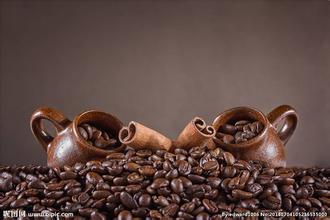
Kenya coffee cultivation methods, Kenya coffee varieties Nyeri Central Mountain region Introduction
Kenyan coffee varieties were first brought to Kenya for cultivation as Bourbon Bourbon. In the 1950s, Scott Laboratory, an agricultural research institution at that time, made unremitting efforts to select SL-28 and SL-34, two excellent hybrids, overturning the long-standing bias that artificial breeding varieties were not superior to natural varieties. SL-28, SL-34 help Kenya
2016-07-06 Kenya coffee cultivation way variety Nyeri central mountain region
Status of coffee producing areas in Kenya
Kenyan Coffee-current situation Kenyan coffee beans the Kenyan government takes the coffee industry very seriously, where it is illegal to cut down or destroy coffee trees. Kenyan coffee buyers are world-class high-quality coffee buyers, and no other country can grow, produce and sell coffee on a continuous basis like Kenya. All coffee beans are first made by the Kenya Coffee Commission (CoffeeBo)
2016-06-01 Kenya Coffee Origin status status quo Coffee beans Government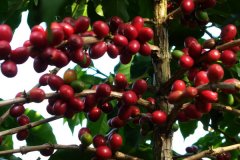
Country: water washing treatment variety Heirloom in G2 Sidamo, Ethiopia
Today, there are still a large number of wild Arabica coffee trees growing in many parts of Ethiopia, averaging between 4200 and 6800 feet above sea level. Now there is a trend of small cultivation, generally planting banana trees for shade at the same time, but due to lack of agricultural technology, herbicides and pesticides are less used. Coffee is Ethiopia's main economic crop and the largest in the country.
2016-06-20 Country Ethiopia Dharma producing area washing treatment Variety Heirlo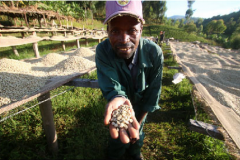
Kenyan coffee is highly competitive in the market, and the value chain analysis of coffee
1. Background Coffee is one of the most important agricultural products in international commodity trade. Historically, as early as the 1990s, coffee was the second largest internationally traded commodity after oil. However, due to the imbalance between coffee production, production and sales at different stages, the coffee industry has been in crisis more or less over the past decade. As a
2016-07-09 Kenya Coffee Market Competition value chain Analysis
Kenyan coffee flavor characteristics of the region introduced Kenyan fine coffee beans
The Kenyan government takes the coffee industry extremely seriously, and it is illegal to cut down or ring coffee trees here. Kenya's coffee buyers are world-class buyers of premium coffee, and no country grows, produces and sells coffee as consistently as Kenya. All coffee beans are first purchased by the Coffee Board of Kenya (CBK), where
2016-07-21 Kenya coffee flavor characteristics region presentation boutique coffee beans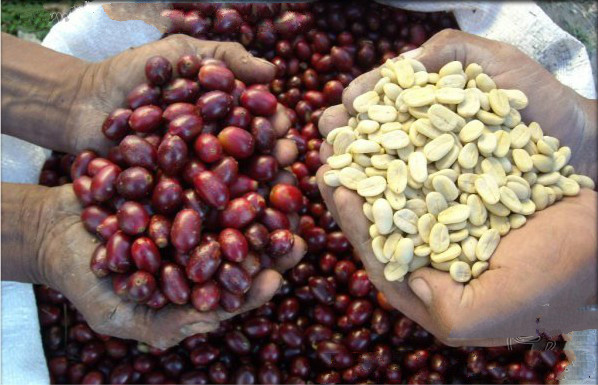
African Coffee Ethiopia sidamo Sidamo G2 Grade Water washing processed Fine Coffee cooked beans
Sidamo Washed G2 countries: Ethiopia Grade: G2 production areas: Sidamo production areas treatment: washed varieties: Heirloom Flavor: wild Ginger Flower, Honey, Citrus, Lemon there are still a large number of wild Arabica coffee trees growing in many parts of Ethiopia, with an average of 4200-6800 feet above sea level.
2016-03-26 Africa Coffee Ethiopia sidamo Dharma Grade washing treatment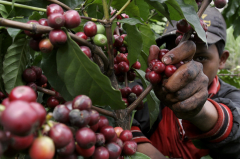
Egyptian beans are named according to origin, coffee beans are classified according to grades, raw beans, coffee beans.
Egyptian beans are named after places of origin and are usually named after provinces. This is a bit like the Bordeaux region of French red wine. Which producing areas are clear to everyone. Note: Chevy is a small producing area in Sidamo Province. Because of its unique flavor, it can become an independent brand. This naming method is very different from that of other African countries (including the hierarchical naming described below), which you often see.
2016-06-19 Egyptian beans origin nomenclature coffee beans grades classification raw beans
Introduction to the characteristics of Kenyan Coffee
The Kenyan government takes the coffee industry very seriously, where it is illegal to cut down or destroy coffee trees. Kenyan coffee buyers are world-class high-quality coffee buyers, and no other country can grow, produce and sell coffee on a continuous basis like Kenya. All the coffee beans were first acquired by the Kenya Coffee Commission (CoffeeBoardofKenya, CBK).
2016-05-31 Kenya coffee characteristics introduction government extremely really treat