“Annual production” search results (3000)

Coffee knowledge Coffee Origin Ivory Coast
One of the largest producers in the world. C ô te d'Ivoire te dlvoire has never produced the best quality coffee, and it rarely comes from Arabian coffee trees. In the early 1980s, it was the world's third-largest coffee producer, with an annual output of 5 million bags. Even today, it is still the fifth largest coffee producer in the world, with an annual output of 4.4 million bags. With regard to the production of Robbins special coffee
2014-10-09 Coffee knowledge coffee producing area
Coffee planting method Coffee Origin Colombian Coffee
The suitable climate of Colombian coffee provides a real natural pasture for coffee. Coffee trees in Colombia are mainly cultivated in the Andes, on steep slopes about 1300 meters above sea level, where the annual temperature is about 18 degrees Celsius, annual rainfall is 2000 to 3000 mm, latitude 1-11-15, longitude 72-78 the suitable climate of Colombia provides coffee.
2016-05-22 Coffee planting method Origin Columbia suitable Climate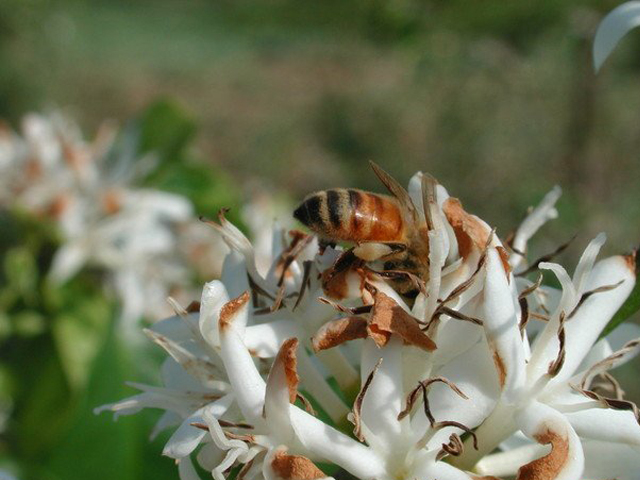
Ethiopian Coffee characteristic Gima Coffee Sidamo Coffee African boutique Coffee beans sour Coffee
The natural characteristics of coffee beans include large coffee beans.
2016-07-12 Ethiopia coffee specialty Gemma Dharma Africa boutique coffee beans will be sour
Introduction of coffee beans from Arusha Coffee Farm in Tanzania
Corn: mainly cultivated by small farmers, the main planting areas include Arusha, Dorma, Iringa, Mbeya, Ruqua and Rovuma. Production rarely exceeds 3 million tons. Unfavorable climatic conditions are said to be the reason for the low yield. Rice: mainly grown by small farmers, there are also several large-scale rice farms of the National Agriculture and Food Corporation (NAFCO). Big
2016-06-22 Tanzania Arusha coffee manor coffee beans species introduction
Some problems about Coffee production in Yunnan
At present, Yunnan coffee production is mainly distributed in Pu'er (180000 mu), Baoshan (100000 mu), Dehong (120000 mu) and Lincang (20 mu). Most of them are catimor varieties. At present, more than 80% of them are used as raw materials for instant coffee processing, some are supplied to Nestl é, and some are exported to Europe and the United States by local traders. From the grading criteria of specialty coffee
2014-09-28 Coffee knowledge Yunnan coffee coffee production
Some problems about Coffee production in Yunnan
At present, Yunnan coffee production is mainly distributed in Pu'er (180000 mu), Baoshan (100000 mu), Dehong (120000 mu) and Lincang (20 mu). Most of them are catimor varieties. At present, more than 80% of them are used as raw materials for instant coffee processing, some are supplied to Nestl é, and some are exported to Europe and the United States by local traders. From the grading criteria of specialty coffee
2015-10-12 About Yunnan coffee production some problems
Brief introduction of main producing areas of Ethiopian Coffee
Hara (Harar) / Solar or dried (Sundried/Dry-Processed) Hara is located in the Eastern Highlands of Ethiopia (Harerge Province) and grows between 5000 and 7000 feet above sea level. It was still wild on slopes a century ago. Most of the raw beans are medium size and have long tips at both ends, with a yellowish or golden green color and strong chocolate when baking.
2016-04-30 Ethiopia Coffee main producing area profile Hara Harar Solar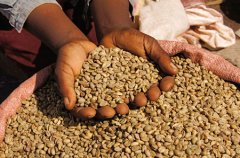
Ethiopian boutique coffee introduces Ethiopian boutique coffee to grow African Arabica coffee
Ethiopia is one of the major producers of Arabica coffee in Africa, producing the best Arabian coffee in the world. It is said that coffee was first discovered by shepherds in Essekafa, and the name of coffee evolved from Kafa, so Essex is still the hometown of coffee. The geographical environment of coffee production and processing is very suitable for coffee growth. Coffee is mainly cultivated.
2016-03-22 Ethiopia boutique coffee introduction cultivation Africa Arabia
General knowledge of Asian Fine Coffee on Coffee production in Yunnan
At present, Yunnan coffee production is mainly distributed in Pu'er (180000 mu), Baoshan (100000 mu), Dehong (120000 mu) and Lincang (20 mu). Most of them are catimor varieties. At present, more than 80% of them are used as raw materials for instant coffee processing, some are supplied to Nestl é, and some are exported to Europe and the United States by local traders. From the grading criteria of specialty coffee
2014-12-26 Asia boutique coffee common sense about Yunnan production Yunnan
Let's analyze the current situation of the coffee market.
2014 is a stage of competitive development for the coffee industry. Under the impact of many coffee brands, are you ready to enter the coffee industry?
2014-05-29 Coffee news coffee market coffee status
Introduction of Coffee Flavor and Taste characteristics in Xidamo Chiso producing area of Ethiopia
Ethiopia has a unique flavor that is different from other flavors and provides customers all over the world with a wide range of taste choices. Shaqiso is located in the highlands of southwestern Ethiopia. The Kaffa, Sheka, Gera, Limu and Yayu Senri coffee ecosystems are considered to be Arabica coffee.
2016-09-12 Ethiopia Dharma Shaquiso producing areas Coffee Flavor Taste characteristics varieties
A brief introduction to the main producing areas of delicious Ethiopian coffee
Hara (Harar) / Solar or dried (Sundried/Dry-Processed) Hara is located in the Eastern Highlands of Ethiopia (Harerge Province) and grows between 5000 and 7000 feet above sea level. It was still wild on slopes a century ago. Most of the raw beans are medium size and have long tips at both ends, with a yellowish or golden green color and strong chocolate when baking.
2016-05-03 Delicious Ethiopia coffee main producing area profile boutique coffee beans Hara
Some problems of Coffee production in Yunnan in Chinese Coffee Market
At present, Yunnan coffee production is mainly distributed in Pu'er (180000 mu), Baoshan (100000 mu), Dehong (120000 mu) and Lincang (20 mu). Most of them are catimor varieties. At present, more than 80% of them are used as raw materials for instant coffee processing, some are supplied to Nestl é, and some are exported to Europe and the United States by local traders. From the grading criteria of specialty coffee
2014-11-19 Coffee knowledge Chinese coffee coffee market Yunnan coffee
Boutique coffee beans knowledge coffee producing area C ô te d'Ivoire
One of the largest producers in the world. C ô te d'Ivoire te dlvoire has never produced the best quality coffee, and it rarely comes from Arabian coffee trees. In the early 1980s, it was the world's third-largest coffee producer, with an annual output of 5 million bags. Even today, it is still the fifth largest coffee producer in the world, with an annual output of 4.4 million bags. With regard to the production of Robbins special coffee
2015-01-07 Boutique coffee beans knowledge coffee origin C ô te d'Ivoire world large production
A brief introduction to the main producing areas of coffee beans in Ethiopia
Hara (Harar) / Solar or dried (Sundried/Dry-Processed) Hara is located in the Eastern Highlands of Ethiopia (Harerge Province) and grows between 5000 and 7000 feet above sea level. It was still wild on slopes a century ago. Most of the raw beans are medium size and have long tips at both ends, with a yellowish or golden green color and strong chocolate when baking.
2015-09-01 Coffee Origin Ethiopia Coffee beans main producing areas profile Hara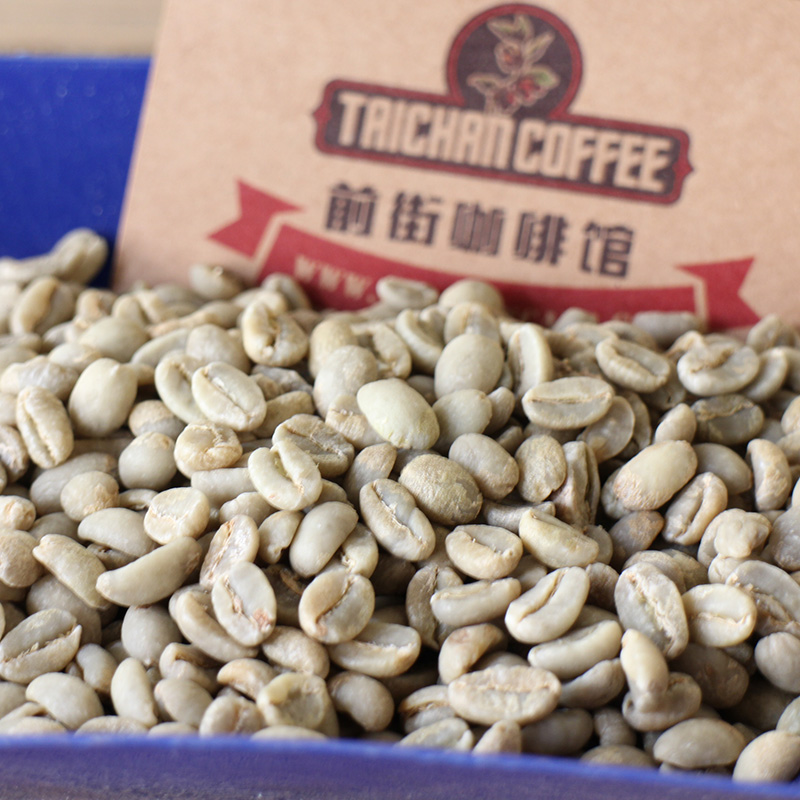
Raw Bean Price Costa Rica Tara Pearl Diamond Hill Manor Wash SHB Kadura Fine Coffee Raw
Coffee cultivation in Costa Rica was introduced from Cuba in 1779 and exported for the first time in 1820. There are about 32,000 coffee farmers in Costa Rica, with an average cultivation area of less than one hectare (10,000 m2) per farmer. Costa Rica has a population of 4.1 million (2006), 82,500 hectares of coffee cultivation, an annual production of 1.7 million bags (60kgs per bag), and an annual domestic consumption of 380,000 bags.
2016-04-13 Raw Beans Price Costa Rica Tara Pearl Diamond Stone Mountain Manor Wash SHB
Special introduction to the producing area of Jamaica Blue Mountain Coffee with balanced Acid, Glycol and Alcohol flavors.
Blue Mountain belongs to the mid-subtropical monsoon humid climate region, with sufficient light, abundant rainfall and long frost-free period, with an annual average temperature of 17.8 ℃. The complex geology and geomorphology, fertile soil and warm and humid climate endow the blue mountains with beautiful scenery and rich natural resources. Blue Mountain is located at the eastern foot of Jiuyi Mountain, and its topography inclines from southwest to northeast. The mountains, hills, hills and flat areas are interlaced with each other.
2016-08-16 Flavor balance Jamaica Blue Mountain Coffee Taste Manor producing area introduction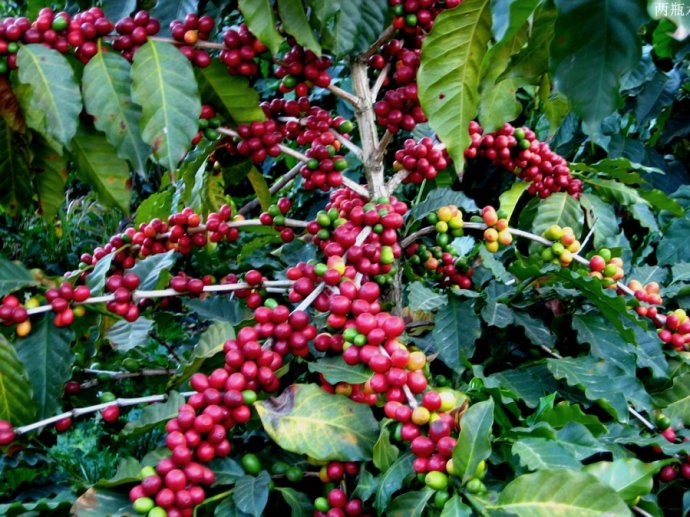
Introduction of World Fine Coffee: analysis and introduction of production problems of Yunnan Coffee and Fine Coffee
During this short two-week trip to Yunnan, although I only visited the coffee planting and processing base of Pu'er Menglian and some areas of Baoshan, I also found many problems in production and processing. Although it is inevitable to cover all of them, I still sum up these problems. I hope that more coffee lovers will pay attention to Yunnan coffee. After all, the development of Yunnan coffee not only depends on
2015-12-17 World boutique coffee introduction Yunnan production problems analysis
Introduction to the grinding treatment method for the flavor and taste characteristics of coffee brands in Ethiopia
Ethiopian Coffee Flavor treatment Variety characteristics growing in Western Ethiopia 4900-5900 feet (Wollega province) plateau, north of Jima, mostly wild, annual output is about 500000bags/60kg, export to G5/G4, bean body is larger and longer than Longberry, a little brown in green, taste similar to less jasmine tea, more bitter, lack of rising Hara, slightly sour
2016-10-21 Ethiopia where rich coffee brand flavor taste characteristics grinding
Introduction to the characteristics of the flavor and taste manor in the coffee producing area of Xidamo Shaqisuo, which is longer in Huigan.
Gima, which accounts for about 50 per cent of Ethiopia's annual output, grows between 4400 and 6000 feet above sea level in the country's southwestern highlands (the border between Kaffa and Illubabor provinces) and is usually exported to G5/G4. However, in recent years, about 10% or 20% of Gima has been used to make up for the lack of taste of coffee, but its quality has gradually declined to its own level, but for the purchase of
2016-08-09 Huigan long Dharma Shaquiso producing area Coffee Flavor Taste Manor characteristics