“Andes” search results (1745)
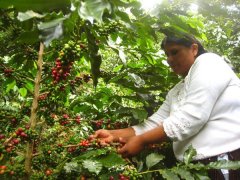
Micro-production of clean medium alcohol sucrose from Santa Rita santa rita, Colombia, in the Andes
In fact, according to Ms. Knudsen, people started drinking fine coffee, but later, due to the growing demand for coffee, the discovery and use of new coffee varieties led to the decline of coffee quality. later, people even began to dislike this bad coffee and began to turn to other drinks. In this case, Ms. Knudsen's re-recognition
2016-07-04 Colombia Santa Rita santa rita sugar clean medium thick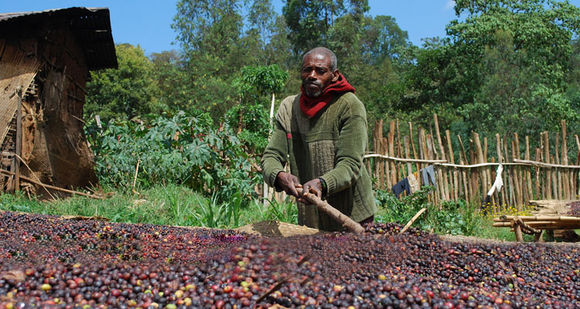
The mixture of the Pablo and Pulido families of Merida Caracas at the foot of the Venezuelan Andes
Venezuela's distinctive manor coffee comes from this oil-rich country. Oil was once considered to be the main export of Venezuela. Although coffee trees were introduced from Martinique in 1730 and Venezuela, coffee production was almost abandoned at the height of the oil industry. Recently, the coffee plantation has begun to recover, and the original Tippica (
2016-04-11 Venezuela Andes Yamashita Meri Caracas Barber Lido family mix
Introduction to the flavor and taste of Colombian coffee introduction to the Andes of Lazmus Manor
Colombia has three Codiera mountains running north and south, right into the Andes. Coffee is grown along the highlands of these mountains. The mountain steps provide a diverse climate, where the whole year is the harvest season, and different kinds of coffee ripen at different times. And fortunately, unlike Brazil, Colombia doesn't have to worry about frost. Colombia has about 2.7 billion coffee plants.
2016-07-30 Columbia Coffee Flavor Taste introduction Raz Moss Manor Andes
Flavor and taste of Ecuadorian boutique coffee beans introduction to Hasunda Coffee Garden
West coast: including coastal plains and foothills, high in the east and low in the west, generally below 200 meters above sea level, with some hills and low mountains at an altitude of 600 to 700 meters. Belongs to the tropical rain forest climate, the southernmost end begins to transition to the savanna climate. The average annual precipitation decreases from more than 3000 mm to about 500mm from north to south. Central Mountains: the Andes enter Ecuador from Colombia
2016-08-23 Ecuador boutique coffee beans flavor taste manor producing area characteristics Hasenda
Introduction of Colombian coffee flavor and taste Hope Manor in the Andes
In the early 1960s, the Colombian Coffee producers Association developed a strategy to distinguish Colombian coffee from coffee from other producing areas, so it was necessary to explain to consumers what makes our coffee different. Juan Diz was created against this background, and he introduced consumers around the world to the arduous manual production process of coffee and the needs to produce high-quality coffee.
2016-07-13 Columbia coffee flavor taste introduction hope manor Andes mountains
Exudes a faint and elegant fragrance an introduction to the Colombian coffee-producing Andes
Columbia coffee foreign name Colombian Coffee also known as the main raw materials of jade coffee Arabica coffee beans, robusta coffee, washed coffee beans (Washedbeans) contain preservatives no main edible efficacy can prevent radiation injury, health care function suitable for people generally healthy people can drink, suffering from cardiovascular disease
2016-06-20 Radiate light elegant fragrance Columbia coffee producing areas Andes mountains
Premium coffee beans Colombian coffee flavor Andes foothills colunbia
Boutique coffee has a strict grading system. Generally, raw beans are preserved in parchment coffee beans in the form of endocarp after processing, and the endocarp is removed before export. Go through a strict grading process to ensure the uniformity of quality. And it is very important to preserve the protection in the process of transportation, such as the control of temperature and humidity, the control of ventilation, avoiding odor adsorption and so on.
2016-06-17 Premium Coffee beans Columbia Coffee Flavor Andes Foothills
Colombia Santa Rita Coffee Green Bean Washing in Andes Microregion
The history of coffee cultivation in Colombia can be traced back to the Spanish colonial era in the 16th century. There are also many sayings about the history of coffee in Colombia: First, it is said to have been transmitted from the Caribbean island of Haiti via El Salvador in Central America. Second, coffee beans were first introduced into Colombia in 1808 by a priest from the French Antilles via Venezuela. one of
2016-06-20 Colombia Santa Rita Coffee Green Beans Andes Mountains Producing Area Washing Processing
Fragrant Ecuadorian Coffee Manor flavor and taste characteristics of fine coffee beans
Central mountain: after entering Ecuador from Colombia, the Andes is divided into the eastern and western Cordillera mountains, with a plateau high in the north and low in the south, averaging between 2500 and 3000 meters above sea level. The Andes run through the middle of the border. The ridges crisscross, dividing the plateau into more than ten intermountain basins. The most important are the Quito basin and the Cuenca basin in the south. Volcanic crowds in the territory
2016-08-12 Aroma fragrance Ecuador coffee manor producing area flavor taste characteristics essence
Colombian Santa Rita Coffee Manor Andes Micro-producing area American Coffee
The history of coffee cultivation in Colombia can be traced back to the Spanish colonial era in the 16th century, and there are many theories about the history of coffee in Colombia: one: it is said to come from the island of Haiti in the Caribbean and from El Salvador in Central America. Second: in 1808, a priest introduced coffee beans to Colombia for the first time from the French Antilles via Venezuela. One of them
2016-07-07 Columbia Santa Rita Coffee Manor Andes Mountains producing area American Flavor
Introduction to the flavor and taste of Ecuadorian coffee manor with a unique flavor
Central mountain: after entering Ecuador from Colombia, the Andes is divided into the eastern and western Cordillera mountains, with a plateau high in the north and low in the south, averaging between 2500 and 3000 meters above sea level. The Andes run through the middle of the border. The ridges crisscross, dividing the plateau into more than ten intermountain basins. The most important are the Quito basin and the Cuenca basin in the south. Volcanic crowds in the territory
2016-08-26 Unique fragrance Ecuador coffee manor producing area characteristics flavor taste introduction
Introduction to the flavor and taste of Ecuadorian coffee manor with a unique flavor
Central mountain: after entering Ecuador from Colombia, the Andes is divided into the eastern and western Cordillera mountains, with a plateau high in the north and low in the south, averaging between 2500 and 3000 meters above sea level. The Andes run through the middle of the border. The ridges crisscross, dividing the plateau into more than ten intermountain basins. The most important are the Quito basin and the Cuenca basin in the south. Volcanic crowds in the territory
2016-08-26 Unique fragrance Ecuador coffee manor producing area characteristics flavor taste introduction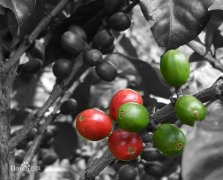
Micro-producing area of Santa Rita coffee in the Andes, Colombia
The history of coffee cultivation in Colombia can be traced back to the Spanish colonial era in the 16th century, and there are many theories about the history of coffee in Colombia: one: it is said to come from the island of Haiti in the Caribbean and from El Salvador in Central America. Second: in 1808, a priest introduced coffee beans to Colombia for the first time from the French Antilles via Venezuela. One of them
2016-05-23 Colombia Santa Rita Coffee Andes Mountains producing areas planting
Fragrant Ecuadorian Coffee Flavor Manor to introduce the characteristics of boutique coffee beans
Central mountain: after entering Ecuador from Colombia, the Andes is divided into the eastern and western Cordillera mountains, with a plateau high in the north and low in the south, averaging between 2500 and 3000 meters above sea level. The Andes run through the middle of the border. The ridges crisscross, dividing the plateau into more than ten intermountain basins. The most important are the Quito basin and the Cuenca basin in the south. Volcanic crowds in the territory
2016-08-12 Aroma fragrance Ecuador coffee flavor taste manor characteristics boutique
Colombian Coffee region introduces Hope Manor in the Andes
The pure taste of Colombian coffee comes from Colombia's natural environment with the most favorable conditions for coffee growth. But beyond that, it is inseparable from the hard work of local growers. In Colombia, coffee cultivation has reached 1.07 million hectares, there are about 302000 coffee plantations in the country, and 30 to 40 per cent of the rural population depends directly on coffee production. Columby
2016-07-04 Colombia Coffee producing areas introduction Andes Mountains Hope Manor Columbus
Introduction to the characteristics of Peruvian Coffee Organic Coffee Flavor and Taste Manor
After peaceful negotiations between the two sides in 1929, Peru took back Tacona.
2016-08-24 Quality balanced Peruvian coffee organic flavor taste manor producing area characteristics
Fragrant Coffee Flavor description of Santa Cruz Manor in Ecuador introduction of Grinding degree planting Environment
West coast: including coastal plains and foothills, high in the east and low in the west, generally below 200 meters above sea level, with some hills and low mountains at an altitude of 600 to 700 meters. Belongs to the tropical rain forest climate, the southernmost end begins to transition to the savanna climate. The average annual precipitation decreases from more than 3000 mm to about 500mm from north to south. Central Mountains: the Andes enter Ecuador from Colombia
2016-10-15 Aromatic fragrant Ecuador Crewe Manor Coffee Flavor description Grinding species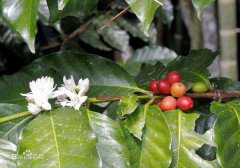
American coffee beans in the micro-producing areas of the Santa Rita Andes, Colombia
The history of coffee cultivation in Colombia can be traced back to the Spanish colonial era in the 16th century, and there are many theories about the history of coffee in Colombia: one: it is said to come from the island of Haiti in the Caribbean and from El Salvador in Central America. Second: in 1808, a priest introduced coffee beans to Colombia for the first time from the French Antilles via Venezuela. One of them
2016-05-30 Colombia Santa Rita Andes Mountains producing areas America Coffee beans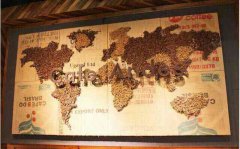
Recommended by Guangzhou specialty cafe-Andes coffee
On the opposite side of Diwang Square, the environmental comfort decoration is a little European style, the surrounding is very lively, the product has always been quite good, the price is not too expensive, the nearby friends can go over and have a try! Shop 1013, B1 floor, Diwang Plaza, 26 Jiaxichang Road, Guangzhou City
2015-02-13 Guangzhou characteristics cafes recommendations Andi coffee Diwang square Manji opposite
The taste is clear and lingering. Santa Cruz Manor Coffee Flavor Taste Variety Introduction
The Andes Mountains, after entering Ecuador from Colombia, are divided into the Cordillera Mountains in the east and west. Between the two mountains is a plateau high in the north and low in the south, with an average altitude of 2500 meters to 3000 meters. The Andes run through the middle of the border. Ridges crisscross the plateau, dividing it into more than a dozen intermountain basins. The most important are the Quito basin and the Cuenca basin in the south. There are many volcanoes in the territory and frequent earthquakes.
2016-09-18 taste crisp aftertaste lingering crewe manor coffee flavor variety