“AB..” search results (1322)
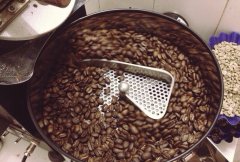
The classification of coffee beans based on the basic knowledge of fine coffee
At present, the grading system of coffee bean producing areas in the world is not uniform, and each coffee producing country has its own grading system and grading name, so you may see the following words "SHB", "AA", "Supremo", "Extra-Fancy" and "G1 / G2." on the coffee label. "wait a minute, these are the graded names of coffee beans. Baked beans on the market are sometimes marked with a single product.
2015-01-07 Boutique coffee basics common sense coffee beans grading currently the world
Kenya Coffee Bean Coffee Learning Coffee specializes in death wish Coffee website
Kenyan coffee is mostly grown at an altitude of 1500m, 2100m, and is harvested twice a year. Its main feature is a distinct fruit aroma, the common fruit aroma is citrus. Kenyan coffee has a multi-layered taste and juice acidity, perfect grapefruit and wine flavor, moderate mellow, is the favorite of many people in the coffee industry. Kenya Coffee borrows Hollywood
2016-05-03 Kenya coffee beans coffee learning monopoly death wish website
Introduction to the Environment of Coffee planting areas in Kenya
Coffee trees in Kenya can bloom twice a year. Most coffee trees bloom in March and April after the long rainy season, and in most coffee producing areas, the harvest season lasts from October to the end of the year. Some coffee trees blossom in October or November and are harvested in July of the following year. Kenyan coffee has always been picked by hand, and farmers only harvest red mature coffee beans.
2016-06-16 Kenya coffee planting producing areas environment introduction one year can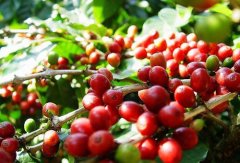
Island Coffee Bean Papua New Guinea Coffee How to describe Coffee Cloth Powder Coffee Net
The 1975 frost destroyed most of Brazil's coffee crop, but spurred coffee growth in Papua New Guinea. The Government has introduced a scheme to finance the creation of coffee plantations of approximately 20 hectares by rural or collective landowners. This measure has indeed increased the penetration of coffee cultivation into the local economy, resulting in an increase in annual coffee production. Papua New Guinea
2016-04-19 island coffee beans Papua New Guinea coffee how description cloth powder
The sour taste of Kenyan coffee plantation taste introduction
KIAMBU region is located around Mountain Kenya, about 1800 meters above sea level. It has beautiful scenery, pleasant climate, sufficient light, excellent soil conditions, fertile acid red soil, loose soil, deep soil layer, good drainage, PH value between 5.5 and 6.5. [Origin] Kiambu [Estate] SASINI [Soil] Volcanic soil [Product]
2016-07-14 sour taste kenya coffee estate appellation flavor presentation location kenny
Introduction to the origin and characteristics of Kenyan coffee
Ethiopia, the origin of Arabica coffee trees in the north of Kenya, was not engaged in coffee cultivation until the beginning of the 20th century. Missionaries introduced Arabica trees from the leaves in the 19th century, but did not plant them in large quantities until 1893. Brazil's ancient bourbon coffee seeds were introduced and coffee was cultivated on a large scale in Kenya. There are two types of coffee farms in Kenya, one covering an area of five acres.
2016-06-15 Kenya coffee origin characteristics introduction boutique coffee beans
Kenya Kenya AA coffee beans Arabica boutique coffee beans
Coffee entered Kenya in the 19th century, when Ethiopian coffee drinks were imported into Kenya through southern Yemen. But it was not until the early 20th century that the bourbon was introduced by the St. Austen Mission (t.AustinMission). Kenyan coffee grows at an altitude of 1500m, 2100m above sea level, and is harvested twice a year. To ensure that only ripe berries are picked, people must be in the forest
2015-11-21 Kenya coffee beans boutique rabbi coffee 19th century enter
How to make delicious Papua New Guinea coffee
The 1975 frost destroyed most of Brazil's coffee crop, but spurred coffee growth in Papua New Guinea. The Government has introduced a scheme to finance rural or collective land ownership, creating coffee plantations of about 20 hectares. This measure has indeed increased the penetration of coffee cultivation into the local economy, with annual production reaching 1 million bags by 1990. yet almost
2016-05-23 how to ability make delicious Papua New Guinea coffee
Zambian coffee
Zambia AA: African rookie, similar to Kenyan sour taste, mellow taste, strong wine flavor and earthy aroma. The Republic of Zambia is a landlocked country in south-central Africa, mostly in the plateau region. English name: The Republic of Zambia Eastern and Southwest Africa is the birthplace of coffee in the world, and Zambian coffee varieties are high-quality Arabica.
2014-06-30 Zambian coffee Zambian coffee bean price African boutique coffee bean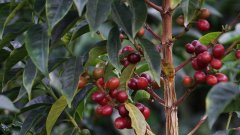
Kenyan boutique coffee African boutique coffee beans
Kenya, located in East Africa, is one of the major coffee producing countries. More than 6 million people in the country are engaged in the coffee industry, mostly in the form of a combination of small farmers and cooperatives. Coffee trees in Kenya are mostly planted at 1400 m-2000 m above sea level, and the growing areas include Ruiri, Thika, Kirinyaga and Mt. Kenya West, Nyeri, Kiambu and Muranga. With Mt.Kenya and Ab
2016-05-21 Kenya Tuji Gatugi processing plant Africa boutique coffee beans located
Method of coffee treatment in Tanzania
Tanzanian coffee is mostly washed. After picking, coffee farmers will send the coffee fruit to the nearest processing plant for processing. The treatment step of the water washing method is to screen and remove the impurities in the coffee fruit, then remove the coffee pulp and exocarp, send it into the fermentation tank, and remove the pectin layer from the inner pericarp by fermentation. Clean
2016-06-01 Tanzania coffee treatment method adoption washing
Introduction to the quality and taste of Kenyan coffee
The Kenyan government takes the coffee industry very seriously, where it is illegal to cut down or destroy coffee trees. Kenyan coffee buyers are world-class high-quality coffee buyers, and no other country can grow, produce and sell coffee on a continuous basis like Kenya. All the coffee beans were first acquired by the Kenya Coffee Commission (CoffeeBoardofKenya, CBK).
2016-06-03 Kenya coffee quality taste introduction government extremely really yes
Introduction to Papua New Guinea, which is varied, rich in taste and full of particles.
After 1991, the quality gradually declined, and then the European market was lost.
2016-06-22 Variety taste rich granular full Papua New Guinea introduction
Introduction to the quality of grading Flavor description and Grinding Calibration treatment of Kenyan Coffee beans
Coffee bean grade introduction Kenya grows high-quality Arabica coffee beans, coffee beans almost absorb the essence of the whole coffee cherry, with slightly sour, thick aroma, is very popular in Europe, especially in the United Kingdom, Kenyan coffee has surpassed Costa Rican coffee and become one of the most popular coffee Kenyan coffee has an irresistible aroma.
2016-10-21 Kenya coffee beans grading flavor description grinding scale treatment quality introduction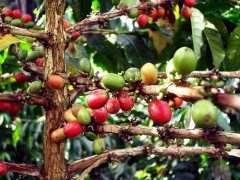
Wild berry flavor Kenyan coffee boutique coffee beans
Kenya AA (Kenya AA) has strong acidity, strong mellowness, smooth taste and slight aroma of Tangy sharp acidity, full body, smooth mildly winey flavor, well balanced. Kenya is located in the south of Ethiopia and Yemen, only hundreds of kilometers away from the two world-famous coffee producers. The vast majority of Kenya
2016-05-16 Wild berries flavor Kenya coffee boutique coffee beans
When does coffee from Papua New Guinea enter the market?
The frost in 1975 destroyed most coffee crops in Brazil, but stimulated the development of coffee in Papua New Guinea. The Government has implemented a scheme to finance the creation of about 20 hectares of coffee plantations in rural or collective land ownership. This measure has indeed increased the penetration of coffee in the local economy, with annual production reaching 1 million bags by 1990. However, almost
2016-05-24 Papua New Guinea coffee when inflow market
Is it illegal to cut down or destroy coffee trees
The Kenyan government takes the coffee industry very seriously, where it is illegal to cut down or destroy coffee trees. The buyers of Kenyan coffee are world-class buyers of quality coffee, and no country can grow, produce and sell coffee continuously like Kenya. All coffee beans were first acquired by the Kenya Coffee Commission (coffee Board of Kaeya, CBK).
2016-05-24 Logging destruction coffee is it illegal Kenya the government extremely really yes
Papua New Guinea Coffee roasting degree how to roast coffee
The frost in 1975 destroyed most coffee crops in Brazil, but stimulated the development of coffee in Papua New Guinea. The Government has implemented a scheme to finance the creation of about 20 hectares of coffee plantations in rural or collective land ownership. This measure has indeed increased the penetration of coffee in the local economy, with annual production reaching 1 million bags by 1990. However, almost
2016-05-23 Papua New Guinea coffee roasting degree how?
Kenya coffee beans characteristics, production areas, introduction
Coffee arrived in Kenya in the 19th century, when Ethiopian coffee drinks were imported to Kenya via South Yemen. But it wasn't until the early 20th century that bourbon coffee trees were introduced by St. Austin's Mission (St. Austin Mission) was introduced. Kenyan coffee is mostly grown at altitudes of 1,500 to 2,100 meters and harvested twice a year. To ensure that only ripe berries are picked, people must be present
2016-06-03 Kenya coffee beans characteristics origin presentation coffee 19th century entry kenny
Global Coffee Origin-Papua New Guinea
The 1975 frost destroyed most of Brazil's coffee crop, but spurred coffee growth in Papua New Guinea. The Government has introduced a scheme to finance the creation of coffee plantations of approximately 20 hectares by rural or collective landowners. This measure has indeed increased the penetration of coffee cultivation into the local economy, resulting in an increase in annual coffee production. Papua New Guinea
2015-08-24 Global Coffee Origin Papua New Guinea