“7 species” search results (900)
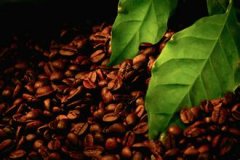
Coffee beans have the same characteristics as those of coffee beans.
1. The seed coat of small fruit coffee has been removed, oval or oval in shape, 8-10mm in length, 5-7mm in diameter, 3-4mm in thickness in the middle, raised on the back, flat on the ventral surface, with slightly curved longitudinal groove and paper seed coat marks. Raw products are yellow or dark green; baked products are dark brown with special aroma and slightly bitter taste. Astringent. Coffee flower 2. Coffee seeds are slightly larger, ovoid, 9-11mm long and 7-7-in diameter.
2016-05-25 Coffee beans respectively same as characteristics small fruits coffee seeds removal seed coat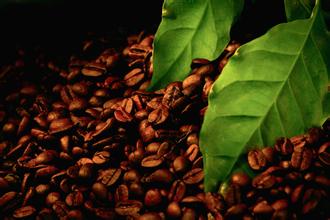
Coffee beans have the same characteristics as those of coffee beans.
1. The seed coat of small fruit coffee has been removed, oval or oval in shape, 8-10mm in length, 5-7mm in diameter, 3-4mm in thickness in the middle, raised on the back, flat on the ventral surface, with slightly curved longitudinal groove and paper seed coat marks. Raw products are yellow or dark green; baked products are dark brown with special aroma and slightly bitter taste. Astringent. Coffee flower 2. Coffee seeds are slightly larger, ovoid, 9-11mm long and 7-7-in diameter.
2016-05-25 Coffee beans respectively same as characteristics small fruits coffee seeds removal seed coat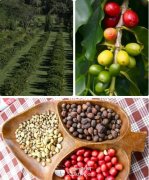
Coffee Common sense Coffee Special Classification system
Special classification system of coffee: 1. Subgenus Coffea: 2. Malagasy coffee subgenus: 3. Subgenus Pala Coffee: 4. Age coffee subgenus: a, red coffee group: B, thick-skinned coffee group: C, Mozambican coffee group: d, black fruit coffee group E, dwarf coffee group: red fruit coffee group: a) Arabica species: Tibica varieties: (Tp)
2014-09-15 Coffee knowledge coffee common sense coffee classification
Treatment methods of coffee in the main producing areas of coffee in El Salvador
The civil war in coffee varieties caused chaos and affected economic development, but ironically allowed coffee antiquities to be preserved, and the situation was so chaotic that coffee producers in El Salvador failed to catch up with the renewal of coffee varieties in Central and South America. El Salvador produces 100% Arabica coffee, of which 68% is Bourbon, Coffea arabica var. Bourbon), 29% Pa
2016-06-18 El Salvador coffee main producing area treatment mode method variety inner
Treatment methods of coffee in the main producing areas of coffee in El Salvador
The civil war in coffee varieties caused chaos and affected economic development, but ironically allowed coffee antiquities to be preserved, and the situation was so chaotic that coffee producers in El Salvador failed to catch up with the renewal of coffee varieties in Central and South America. El Salvador produces 100% Arabica coffee, of which 68% is Bourbon, Coffea arabica var. Bourbon), 29% Pa
2016-06-18 El Salvador coffee main producing area treatment mode method variety inner
Boutique Coffee basic knowledge the backbone of coffee trees
Coffee is a shallow root crop, and the plants propagated with seeds have conical roots. Root system refers to the general name of root. The root morphological distribution and depth of shade varieties / soil conditions and agricultural technical measures are different. From the point of view of varieties, the roots of small / medium grain species are shallower, while those of large grain species are deeper. Under normal circumstances, there is a thick and short taproot and many well-developed lateral roots. Yunnan small-grain coffee has a 4-year-old fruit.
2014-12-19 Boutique coffee basics common sense trunk shallow roots crops seeds reproduction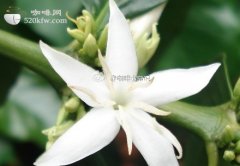
Coffee plants
Coffee plants: several to dozens of flowers are clustered in the axils of leaves, and the second to fifth flowers are planted on a flower axis. The flowers are white and fragrant. The petals of medium and small seed species are generally 5, and the petals of large seed species are 7-8. Flowers tubular, Terete. The number of stamens is the same as the number of petals, stamen stigma bifid, ovary inferior, generally 2-loculed, but also 1-loculed or 3-loculed. Insect-borne flowers, large-grain species and small-grain seeds
2014-10-09 Coffee plants coffee knowledge coffee encyclopedia
Introduction of Coffee Bean Origin and Variety Coffee Bean species and comparison
The history of coffee cultivation in Colombia can be traced back to the Spanish colonial era in the 16th century, and there are many theories about the history of coffee in Colombia: one: it is said to come from the island of Haiti in the Caribbean and from El Salvador in Central America. Second: in 1808, a priest introduced coffee beans to Colombia for the first time from the French Antilles via Venezuela. One of them
2016-05-25 Coffee beans origin variety introduction type comparison Colombia cultivation coffee
Characteristics, Origin, History and species Morphology of Colombian Coffee beans
History tracing Editor Colombian Coffee Brand Colombian Coffee Brand (9) the history of coffee cultivation in Colombia can be traced back to the Spanish colonial era in the 16th century. there are also many theories about the history of coffee in Colombia: one: it is said to have come from the island of the Caribbean and by sea through El Salvador in Central America. Second: in 1808, a priest obeyed the law.
2016-06-03 Columbia coffee beans characteristics origin history species morphology traceability
El Salvador Himalayan Coffee Flavor description Grinding characteristics introduction to the taste of varieties in producing areas
The civil war in coffee varieties caused chaos and affected economic development, but ironically allowed coffee antiquities to be preserved, and the situation was so chaotic that coffee producers in El Salvador failed to catch up with the renewal of coffee varieties in Central and South America. El Salvador produces 100% Arabica coffee, of which 68% is Bourbon, Coffea arabica var. Bourbon), 29% Pa
2016-10-12 El Salvador Himalayas coffee flavor description grinding characteristics varieties producing areas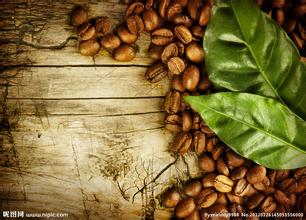
Species Morphology and Variety Grade History of Colombian Coffee
The main varieties of Colombian coffee are small grains of coffee. Plants are small trees or large shrubs, 5-8 m tall, usually much branched at base; old branches gray-white, nodes dilated, young branches glabrous, compressed. Leaves thinly leathery, ovate-lanceolate or lanceolate, 6-14 cm long and 3.5-5 cm wide, tip long acuminate, acuminate part 10-15 mm long, base cuneate or slightly obtuse, rarely rounded, entire or
2016-05-29 Columbia Coffee species Morphology Variety Grade History Colombia
El Salvador coffee producing area introduces boutique coffee Santa Ana volcano area
The civil war in coffee varieties caused chaos and affected economic development, but ironically allowed coffee antiquities to be preserved, and the situation was so chaotic that coffee producers in El Salvador failed to catch up with the renewal of coffee varieties in Central and South America. El Salvador produces 100% Arabica coffee, of which 68% is Bourbon, Coffea arabica var. Bourbon), 29% Pa
2016-07-02 El Salvador coffee producing area introduction boutique Anna volcano region product
Washed and sun-dried Salvadoran coffee flavor and taste introduce boutique coffee beans
Coffee flavor and quality El Salvador is a producer of high-quality commercial Arabica beans and is famous for its strict and effective quality control. Since 2003, he has joined the COE competition. With excellent ancient coffee, it successfully entered the boutique coffee market.
2016-07-11 Washing processing tanning drying El Salvador coffee flavor taste introduction essence
Brief introduction of coffee producing countries: El Salvador Cafe de El Salvador
Country profile Republic of El Salvador, Repblica de El Salvador in Spanish, the Republic of El Salvador in English. It is located in Central America, bordering Guatemala and Honduras in the north, and the Pacific coastline in the west and south. It is the smallest country in Central America and the most densely populated country in Central America. The land area is 21393.
2014-09-03 Brief introduction of Coffee producing countries
Varieties of coffee beans in Tanzania
Species of coffee beans in Tanzania, local coffee species: in the past, the coffee species commonly used in Tanzania are Bourbon (N.39) and Kents (KP 423). However, due to the low insect resistance and disease resistance of these two coffee varieties, the coffee quality can not meet the requirements of high-quality coffee, not to mention the world-famous UTZ and Fair trade certification. With the new technology of growing coffee beans
2014-06-28 Tanzanian coffee Tanzanian coffee beans coffee beans
Planting Environment and species Morphology of Colombian Coffee
The pure taste of Colombian coffee comes from Colombia's natural environment with the most favorable conditions for coffee growth. But beyond that, it is inseparable from the hard work of local growers. In Colombia, coffee cultivation has reached 1.07 million hectares, there are about 302000 coffee plantations in the country, and 30 to 40 per cent of the rural population depends directly on coffee production. Columby
2016-06-12 Colombia Coffee planting Environment species Morphology Pure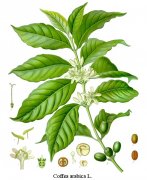
Coffee cultivation techniques detailed explanation of planting knowledge of Coffee trees
Coffee, cocoa and tea are called the three major beverages in the world, and their output, consumption and output value all rank first. In addition to being used as a beverage, coffee can also extract caffeine and coffee oil; in medicine, it can be used as an anesthetic, stimulant and diuretic cardiotonic agent. Coffee pulp can be used to make wine, vinegar, pectin and molasses; dried pulp can be used as animal feed; dried fruit shell can be used as fertilizer and burning
2015-02-16 Coffee cultivation techniques planting knowledge detailed explanation
El Salvador Coffee Flavor Description Grind Characteristics Variety Producing Area Manor Taste Introduction
The chaos caused by the coffee variety civil war affected economic development, but ironically allowed the ancient coffee varieties to be preserved. The situation was too chaotic for Salvadoran coffee producers to catch up with the trend of coffee variety renewal in Central and South America. El Salvador produces 100% Arabica coffee, of which 68% is Bourbon (Coffea arabica var. bourbon),29% Pa
2016-10-12 El Salvador Coffee Flavor Description Grind Characteristics Variety Region Manor Mouth
Characteristics of coffee beans in Salvadoran coffee producing areas
The current situation of coffee production is a natural and man-made disaster, which is a perfect description of the challenges facing the coffee industry in El Salvador. Despite getting rid of the haze of war, El Salvador's coffee production still faces challenges from time to time, including: 1998, hurricanes; 2001, earthquakes; 2002, volcanic eruptions; 2012, leaf rust
2016-07-16 El Salvador Red Wave Coffee Flavor producing area Coffee beans characteristics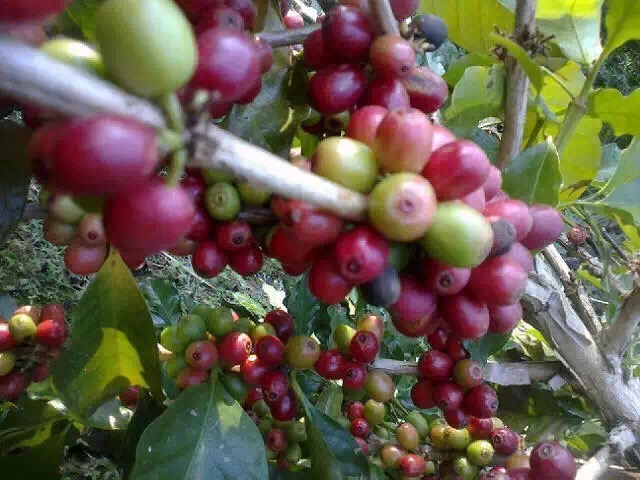
High-quality coffee raw beans grown in Huilan, Colombia, Huila plateau
Coffee bean details: 1. Country: Colombia 2. Altitude: 1667m 3. Producing area: Vera plateau 4. Treatment: peel dry fermentation four times washing 5. Variety: yellow bourbon 6. Producer: Diamond Manor 7. Flavor: hazelnut, pistachio, caramel sweetness, cream texture Colombian coffee dates back to 1808. A priest transferred from the French Antilles to Venezuela
2015-12-02 Colombia Huilan producing area Vera Plateau Yellow bourbon quality Coffee Raw Bean