“4 species” search results (2000)

Basic knowledge of coffee botany
According to the botanical description of coffee: coffee is Rubiaceae, coffee genus, perennial evergreen shrubs or small trees. There are more than 60 types of coffee classified, but there are roughly two varieties of coffee grown commercially on a large scale, one is Arabica, accounting for about 70 percent of the world's coffee planting area, and the other is Robasta, accounting for about 30 percent of the world's coffee planting area. According to our country
2015-04-23 Coffee botany knowledge basics common sense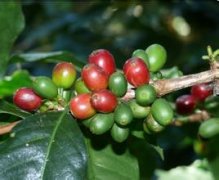
A brief talk on the basic knowledge of Fine Coffee with Coffee beans
1. Summary: coffee is a perennial evergreen shrub or small tree of Rubiaceae. It is native to tropical Africa and has been cultivated for more than 2000 years. The Arabs began to grow coffee in 525 BC, and it was popular for Arabs to stir-fry coffee beans. They began to grow coffee beans on a large scale after the 15th century, and were widely distributed in the tropics and subtropics of Europe, Asia, Africa and Latin America after the 18th century.
2015-06-04 Talking about coffee beans boutique coffee basics common sense overview grass for many years
Kaha Yang Gan Manor Coffee Manor in Indonesia Kopi Luwak
Arabica coffee beans grow in tropical colder high-altitude areas, and the hot and humid zone that is not suitable for Arabica coffee is where robusta coffee grows. Robusta has a unique aroma (called Rob smell, which some people think is musty) and bitter, accounting for only 2% of mixed coffee. 3% of mixed coffee, the whole cup of coffee becomes Robusta flavor. Its flavor
2016-07-14 Indonesia Kaha Yanggan Manor Coffee producing area introduction Cat shit Rabbi Card species
Varieties of coffee raw beans Coffee is one of the three major drinks in the world
Coffee is the first tropical cash crop in terms of output, consumption and economic value among the three major beverages in the world. it is the second raw material after international trade relay oil, and it is also one of the largest tropical food raw materials in the world. The coffee variety garden covers an area of 3 mu, which mainly lies in the collection and preservation of coffee variety resources. the varieties are carried out on the basis of the observation of its botanical and biological characteristics.
2015-06-04 Coffee raw beans variety world big three beverage coffee raw material
Boutique Coffee knowledge about Coffee Botany
According to the botanical description of coffee: coffee is Rubiaceae, coffee genus, perennial evergreen shrubs or small trees. There are more than 60 types of coffee classified, but there are roughly two varieties of coffee grown commercially on a large scale, one is Arabica, accounting for about 70 percent of the world's coffee planting area, and the other is Robasta, accounting for about 30 percent of the world's coffee planting area. According to our country
2014-10-13 Coffee knowledge boutique caffeine coffee botany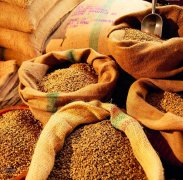
Knowledge of coffee botany basic knowledge of fine coffee
According to the botanical description of coffee: coffee is Rubiaceae, coffee genus, perennial evergreen shrubs or small trees. There are more than 60 types of coffee classified, but there are roughly two varieties of coffee grown commercially on a large scale, one is Arabica, accounting for about 70 percent of the world's coffee planting area, and the other is Robasta, accounting for about 30 percent of the world's coffee planting area. According to our country
2015-01-29 Coffee Botany knowledge Fine goods basic knowledge description Grass
Island Coffee Jamaica Coffee St. Helona Island Coffee Fine Coffee
Jamaica (Jamaica) aroma 3.5 minutes brightness 4 mellow 4 flavors 5 aftertaste 5 points suitable baking degree: baking in City can bake at most until the second explosion is just about to begin. Located in the Caribbean, Jamaica is the famous birthplace of Blue Mountain Coffee. This legendary delicious coffee comes from the high mountains to the east of Jamaica. The earliest Blue Mountain Coffee came from several estates and later teeth.
2016-06-15 Island Coffee Jamaica Saint Sea Rona boutique
Introduction to the characteristics of high-quality coffee beans in Panamanian coffee producing areas
Panama is rich in forest resources and has many tree species, including valuable wood such as mahogany, cedar, teak, mahogany, and cedar. The forest area of eastern Dalian Province is the most widely distributed, but it has not been fully developed due to lack of market and for reasons such as national defense and protection of the natural ecological environment. [5] according to FAO estimates in 2010, the forest area of Panama is 4.29 million hectares, accounting for the land area.
2016-09-22 Panama coffee variety producing area flavor taste boutique coffee beans characteristics introduction
Introduction to the morphological and taste characteristics of Colombian coffee-species
Colombian Coffee-species Morphology Colombian Coffee Plant Morphology Colombian Coffee Plant Morphology the varieties of Colombian coffee are mainly small grain coffee. Plants are small trees or large shrubs, 5-8 m tall, usually much branched at base; old branches gray-white, nodes dilated, young branches glabrous, compressed. Leaves thinly leathery, ovate-lanceolate or lanceolate, 6-14 cm long and 3.5-5 wide
2016-06-12 Columbia Coffee species Morphology taste characteristics introduction Colombia
Basic knowledge of Coffee beans (1)
Coffee belongs to the evergreen shrub of the genus Rubiaceae, which is centered in the tropics. There are about 6000 species of Rubiaceae belonging to 500 genera.
2014-07-15 Coffee knowledge coffee basics coffee encyclopedia
The characteristics of coffee beans as the standard for judging high-quality coffee beans
At present, there is no clear judgment standard of fine coffee in the international community. Here, we will briefly explain the standards of the American Fine Coffee Association and the basic standards of coffee producing countries. American Fine Coffee Association Standard: 1. Whether it has rich dry aroma (Fragrance). The so-called dry aroma refers to the aroma of roasted or ground coffee. two。 Whether it has rich wet aroma (Aroma).
2015-03-05 Boutique coffee beans judgment standards characteristics at present internationally socially there is no
Do you know the blood system of boutique coffee?
Coffee is a plant of the Rubiaceae family that contains at least 500 herbs, and coffee is one of the most common shrubs. In coffee noodles, there are ten varieties, most of which have no economic value, and only three of them are popular in the whole world. Arabica (Arabica), Sabsta (Robusta), Liberia (Liberica). Arabica beans taste good and are the main source of refined coffee, but
2014-07-09 Coffee knowledge fine coffee coffee encyclopedia coffee pedigree
What are the three native species of coffee beans? 2016 the latest coffee information
There are about 40 species of coffee plants in the three native species of coffee, but the only ones that can produce coffee beans of commercial value are Arabica, Robusta and Liberian. these three species are called the three original species of coffee. 1. The origin of the Arabica species (scientific name Coffea arabica) is the Abyssinia Plateau of Ethiopia (present-day Ethiopia).
2016-06-13 Coffee beans three native coffee plant there are about 40 species can
Coffee botany knowledge-Malaysia Coffee City White Coffee
According to the botanical description of coffee: coffee is Rubiaceae, coffee genus, perennial evergreen shrubs or small trees. There are more than 60 types of coffee classified, but there are roughly two varieties of coffee grown commercially on a large scale, one is Arabica, accounting for about 70 percent of the world's coffee planting area, and the other is Robasta, accounting for about 30 percent of the world's coffee planting area. According to our country
2016-08-15 Coffee Botany knowledge Malaysia Chengbai
How to judge the flavor description of fine coffee
At present, there is no clear judgment standard of fine coffee in the international community. Here, we will briefly explain the standards of the American Fine Coffee Association and the basic standards of coffee producing countries. American Fine Coffee Association Standard: 1. Whether it has rich dry aroma (Fragrance). The so-called dry aroma refers to the aroma of roasted or ground coffee. two。 Whether it has rich wet aroma (Aroma)
2016-06-07 Boutique coffee should how judge flavor description at present internationally socially
Introduction of Brand types of Coffee beans introduction of Coffee planting Environment
. The Robusta species (scientific name Coffea robusta Linden) is a leaf rust-resistant variety found in the African Congo, which teaches the Arabica species to be more resistant to the disease. People like to compare robusta species with Arabica coffee. In fact, robusta species is a mutant of Congo species (scientific name Cofffea canephora), so it should be compared with Arabica species.
2016-07-06 Coffee beans brands types introductions coffee planting environment Robes Booth learning
Learn about the three native species of coffee
Coffee belongs to the evergreen shrub of the genus Coffea of Rubiaceae, which is centered in the tropics. There are about 6000 species of Rubiaceae plants in this area. Coffee has always been considered to have certain effects, such as invigorating the stomach, waking up the brain, stopping bleeding, dissipating heat, strengthening the body and so on. The more famous Rubiaceae plant is Gardenia jasminoides, whose fruit was dried and used as medicinal material a long time ago.
2014-08-25 Coffee knowledge coffee bean varieties three major coffee varieties Arabica species Robusta species
Basic knowledge of fine coffee basic knowledge of coffee botany
According to the botanical description of coffee: coffee is Rubiaceae, coffee genus, perennial evergreen shrubs or small trees. There are more than 60 types of coffee classified, but there are roughly two varieties of coffee grown commercially on a large scale, one is Arabica, accounting for about 70 percent of the world's coffee planting area, and the other is Robasta, accounting for about 30 percent of the world's coffee planting area. According to our country
2015-03-12 Boutique coffee basics common sense botany knowledge
Five basic knowledge of Coffee
1. What are the three original species of coffee? A: among the many plants on earth, there are at least 40 species of coffee, but the more practical cultivated species are the so-called three original species, namely Arabica. Robsta species (Robustra). Liberia card species (Liberica), and now this order is the order of their quality. The one with the best smell is Elaraby.
2014-07-18 Coffee knowledge coffee common sense coffee encyclopedia
Panama Estate Coffee Beans
Arabica species originated in Ethiopia's Abyssinia Plateau (now Ethiopia Plateau). It was mainly eaten as medicine in the early stage (Islamic couples used it as a secret medicine for physical and mental treatment or to wake up). In the 13th century, it cultivated the habit of baking and drinking. In the 16th century, it was introduced into Europe via Arabia, and then became a favorite drink of people all over the world.
2016-06-07 coffee beans basics introduction panama estate rabbi species origin