“1999” search results (697)
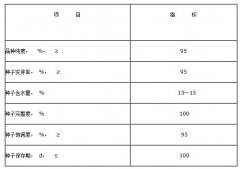
Technical specification for cultivation of small seed coffee in Yunnan Province
The technical regulations for the cultivation of small seed coffee in Yunnan Province, which describes the technical methods of small seed coffee garden selection, planning, reclamation, seeds, seedlings, planting, soil management and coffee tree management.
2014-07-09 Yunnan coffee Yunnan small coffee beans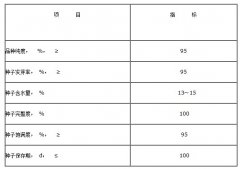
Technical specification for cultivation of small seed coffee in Yunnan Province
The technical regulations for the cultivation of small seed coffee in Yunnan Province, which describes the technical methods of small seed coffee garden selection, planning, reclamation, seeds, seedlings, planting, soil management and coffee tree management.
2014-07-09 Yunnan coffee Yunnan small coffee beans
Rwanda Coffee Flavor
Rwandans have been growing coffee since colonial times, but until 1999, its products were still classified as below Class C and were not popular in the global market. The reason for the poor quality is that farmers do not have a fixed procedure for washing coffee beans and do not process coffee fruits according to specifications in time. Buyers buy coffee beans at $0.33 per kilogram, and farmers keep warm by the meagre profits earned at low prices.
2016-08-30 Rwanda coffee flavor characteristics people since colonization times from open
Brazil Coffee processing Diversified Coffee basic knowledge
Brazilian coffee farms choose sun, half-sun or water washing treatments according to the dry and humidity conditions of the climate to show the best regional flavor. Such a pluralistic approach is rare in the world. Before 1999 ⊙, rough tanning was almost always used in Brazil. This is the main culprit for Brazilian beans to be easily infected with the smell of dirt and rotten wood, because coffee fruits are exposed to the sun for two to three weeks.
2015-02-12 Brazil coffee processing methods diversification basics common sense farms
The Historical Origin of Rwandan Coffee
Historical editors originate that Rwandans have been growing coffee since colonial times, but until 1999, its products were still classified as below Class C and were not popular in the global market. The reason for the poor quality is that farmers do not have a fixed procedure for washing coffee beans and do not process coffee fruits according to specifications in time. Buyers buy coffee beans at $0.33 per kilogram, which farmers earn at low prices.
2016-06-01 Rwanda Coffee History Origin Editor Human self colonization
General knowledge of Fine Coffee beans Diversified ways of handling Brazilian Coffee
Brazilian coffee farms choose sun, half-sun or water washing treatments according to the dry and humidity conditions of the climate to show the best regional flavor. Such a pluralistic approach is rare in the world. Before 1999 ⊙, rough tanning was almost always used in Brazil. This is the main culprit for Brazilian beans to be easily infected with the smell of dirt and rotten wood, because coffee fruits are exposed to the sun for two to three weeks.
2015-04-02 Boutique coffee beans common sense Brazil coffee processing methods diversification
For Rwandan coffee beans, it is better to buy raw beans or roasted beans.
Rwandans have been growing coffee since colonial times, but until 1999, its products were still classified as below Class C and were not popular in the global market. The reason for the poor quality is that farmers do not have a fixed procedure for washing coffee beans and do not process coffee fruits according to specifications in time. Buyers buy coffee beans at $0.33 per kilogram, and farmers keep warm by the meagre profits earned at low prices.
2016-05-23 Rwanda coffee beans flavor household use buy raw beans or already baked
Introduction of washed Rwanda coffee beans classification of fine coffee
Rwandans have been growing coffee since colonial times, but until 1999, its products were still classified as below Class C and were not popular in the global market. The reason for the poor quality is that farmers do not have a fixed procedure for washing coffee beans and do not process coffee fruits according to specifications in time. Buyers buy coffee beans at $0.33 per kilogram, and farmers keep warm by the meagre profits earned at low prices.
2016-06-28 Washing Rwanda coffee beans introduction boutique coffee classification people from
The origin of coffee beans in Rwanda Coffee bean powder is too weak.
The Rwandans of origin have been growing coffee since colonial times, but until 1999, its products were still classified as below Class C and were not popular in the global market. The reason for the poor quality is that farmers do not have a fixed procedure for washing coffee beans and do not process coffee fruits according to specifications in time. Buyers buy coffee beans at $0.33 per kilogram, and farmers rely on the meagre profits earned at low prices.
2016-06-13 Rwanda coffee beans origin coffee bean powder brewing too light
An introduction to the characteristics of the manor producing area with a rich taste of Rwanda boutique coffee
Rwandans have been growing coffee since colonial times, but until 1999, its products were still classified as below Class C and were not popular in the global market. The reason for the poor quality is that farmers do not have a fixed procedure for washing coffee beans and do not process coffee fruits according to specifications in time. Buyers buy coffee beans at $0.33 per kilogram, and farmers keep warm by the meagre profits earned at low prices.
2016-09-07 Taste embellishment rich Rwanda boutique coffee flavor taste manor producing area
Rwanda Coffee Origin Rwanda Coffee Taste
Rwandans have been growing coffee since colonial times, but until 1999, its products were still classified as below Class C and were not popular in the global market. The reason for the poor quality is that farmers do not have a fixed procedure for washing coffee beans and do not process coffee fruits according to specifications in time. Buyers buy coffee beans at $0.33 per kilogram, and farmers keep warm by the meagre profits earned at low prices.
2016-05-29 Rwanda Coffee Origin Taste Human colonization Times from Open
History of Rwandan Coffee A brief introduction to the Origin of Rwandan Coffee
The taste of Rwandan coffee is extremely special. Rwandans have been growing coffee since colonial times, but until 1999, its products were still classified as below Class C and were not popular in the global market. The reason for the poor quality is that farmers do not have a fixed procedure for washing coffee beans and do not process coffee fruits according to specifications in time. Buyers buy coffee beans at $0.33 per kilogram, and farmers rely on low prices.
2016-05-25 Rwanda coffee history origin profile taste extreme special
The source of washed coffee from Rwanda
Rwandans have been growing coffee since colonial times, but until 1999, its products were still classified as below Class C and were not popular in the global market. The reason for the poor quality is that farmers do not have a fixed procedure for washing coffee beans and do not process coffee fruits according to specifications in time. Buyers buy coffee beans at $0.33 per kilogram, and farmers keep warm by the meagre profits earned at low prices.
2016-05-24 Water washing coffee Rwanda source people since colonization times from open
Why will Starbucks open a new battlefield in third-tier cities in the next five years?
On August 2nd, Starbucks announced the official opening of its first store in the northwestern city of Yinchuan. At the Wuhan high-speed railway station 1400 kilometers away from Yinchuan, Mr. Xu, a star fan, arrived at Starbucks early in the morning and asked a barista he knew to help contact the purchasing agent of Yinchuan City Cup. I'm not at Starbucks. I'm on my way to Starbucks. This sentence began to spread when Starbucks entered the mainland market in 1999.
2016-08-13 The next five years Buck what open third line city new battlefield battlefield
The Origin of Rwandan Coffee Flavor Flavor Manor introduction to the Chilmel Manor in the Lute Xilo region of the Western Province
Rwandans have been growing coffee since colonial times, but until 1999, its products were still classified as below Class C and were not popular in the global market. The reason for the poor quality is that farmers do not have a fixed procedure for washing coffee beans and do not process coffee fruits according to specifications in time. Buyers buy coffee beans at $0.33 per kilogram, and farmers keep warm by the meagre profits earned at low prices.
2016-06-24 Rwanda Coffee Origin Flavor producing area Manor introduction Western Province Texi Mai
Introduction to the treatment methods of fine Rwandan coffee beans
Rwandans have been growing coffee since colonial times, but until 1999, its products were still classified as below Class C and were not popular in the global market. The reason for the poor quality is that farmers do not have a fixed procedure for washing coffee beans and do not process coffee fruits according to specifications in time. Buyers buy coffee beans at $0.33 per kilogram, and farmers keep warm by the meagre profits earned at low prices.
2016-06-23 Boutique Rwanda coffee beans handling methods introduction people from
Semi-automatic coffee machine brand introduction: Kruber KLUB
KLUB first introduced the Espresso coffee machine to Taiwan in 1993. In 1999, it became the first manufacturer of Espresso commercial coffee machine in Asia. In the manufacture and development of semi-automatic coffee machine, KLUB has been leading the trend of leisure drinks in Taiwan. After the emergence of the world, the world found its excellent product R & D and manufacturing physique. China Coffee Trade Network: www.
2014-06-09 Semi-automatic coffee machine Kruber KLUB
Semi-automatic coffee machine brand introduction: Kruber KLUB
KLUB first introduced the Espresso coffee machine to Taiwan in 1993. In 1999, it became the first manufacturer of Espresso commercial coffee machine in Asia. In the manufacture and development of semi-automatic coffee machine, KLUB has been leading the trend of leisure drinks in Taiwan. After the emergence of the world, the world found its excellent product R & D and manufacturing physique.
2015-07-07 Semi-automatic coffee maker brand introduction Crewe KLUB prior to
Semi-automatic coffee machine brand introduction: Kruber KLUB
KLUB first introduced the Espresso coffee machine to Taiwan in 1993. In 1999, it became the first manufacturer of Espresso commercial coffee machine in Asia. In the manufacture and development of semi-automatic coffee machine, KLUB has been leading the trend of leisure drinks in Taiwan. After the emergence of the world, the world found its excellent product R & D and manufacturing physique.
2015-09-21 Semi-automatic coffee maker brand introduction Crewe KLUB prior to
Mexican coffee production falls to its lowest level in 45 years
Mexican coffee production has fallen for 15 consecutive years due to contagious leaf rust and a lack of policy support, reaching a 45-year low of 3.3 million bags in the 2014-2015 season, the Mexican financier reported. In the season of 1999-2000, the output of black coffee reached 6.2 million bags. At present, the yield of black coffee is 1.2 tons per hectare, which is also the lowest since records began. In the nineties
2016-05-18 Mexico coffee production fell to the lowest in years financier