“19 kinds” search results (2000)

Boutique coffee recommends Guatemalan coffee
In 1750, Father Jesuit introduced coffee trees to Guatemala, where the coffee industry was developed by German colonists at the end of the 19th century. Today, most of the coffee industry's production takes place in the south of the country. Coffee production in Guatemala: the slopes of SierraMadre volcano provide ideal conditions for growing high-quality coffee beans at high altitudes.
2014-12-18 Boutique Coffee recommendation Guatemala 1750 Jesu Voight
Coffee types and prices of Starbucks in 2010
You'd better remember the English name of the coffee you want before you go to Starbucks, and tell them the English name when you get there, so that the waiter will give you enough weight.
2014-05-20 Starbucks coffee type coffee price
Mixed coffee
Mixed coffee is a general term for the classification of coffee, which is not a specific coffee, but formed in history. It is generally composed of three or more different varieties of coffee, which is mixed into another coffee with unique flavor according to its sour, bitter, sweet, fragrant and alcohol. Editor's mixed coffee is a general term for the classification of coffee. It is not a specific kind of coffee, but is shaped in history.
2014-06-27 Mix coffee coffee drinks taste coffee
Bezerra, the most expensive coffee machine in the world.
The Rolls-Royce in the coffee machine-Bezerra.
2014-05-15 Coffee supplies coffee machine the most expensive Bezerra
Bright style Costa Rican coffee grind degree taste flavor description method variety baking degree
Other kinds of Brazilian coffee, such as Rio and Parana, can be produced in large quantities because they do not need too much care. Although the taste is rough, it is a kind of good and cheap coffee. It has its own standard because it is distributed all over the country and its solid quality varies. It has its own standard (NO.2~NO.8 according to the number of sundries, NO.13~NO.19 according to the size of beans, and six grades according to taste).
2016-10-07 Style bright Costa Rica coffee grinding taste flavor description processing
Boutique coffee characteristics of Kenyan coffee
It entered Kenya in the 19th century, when Ethiopian coffee drinks were imported into Kenya through southern Yemen. But it was not until the early 20th century that the bourbon was introduced by the St. Austen Mission (St.AustinMission). Kenyan coffee is mostly grown at an altitude of 1500m, 2100m, and is harvested twice a year. To ensure that only ripe berries are picked, people must be in the forest
2016-06-01 Boutique coffee Kenya characteristics 19th century entered at that time Ethiopia
A global coffee producer in Guatemala.
In 1750, Father Jesuit introduced coffee trees to Guatemala, where the coffee industry was developed by German colonists at the end of the 19th century. Today, most of the coffee industry's production takes place in the south of the country. Coffee production in Guatemala: the slopes of SierraMadre volcano provide ideal conditions for growing high-quality coffee beans at high altitudes.
2015-02-16 Global Coffee Origin Guatemala 1750 Jesu Voight
Is your sense of taste right? The effect of taste on coffee drinking
Release time: 2016-04-28 10:10:51 browsing: 19 views went to Komake.com to communicate in 1901 A German scientist published an article on taste research, describing the phenomenon that some areas of the tongue are more sensitive to a particular sense of taste. This is not a clear scientific conclusion, but it gives people the illusion that several areas on the tongue are only responsible for a specific kind of taste.
2016-05-06 Your taste recognition yes coffee influence release time 2016-0
Coffee flavors from different coffee producing areas around the world coffee producing areas in Guatemala
In Guatemala in 1750, Father Jesuit introduced coffee trees to Guatemala (Guatemala), where German colonists developed the coffee industry at the end of the 19th century. Today, most of the coffee industry's production takes place in the south of the country. Coffee production in Guatemala: the slopes of SierraMadre volcano provide ideal conditions for growing high-quality coffee beans.
2015-02-15 Global different coffee origin flavor Guatemala 1750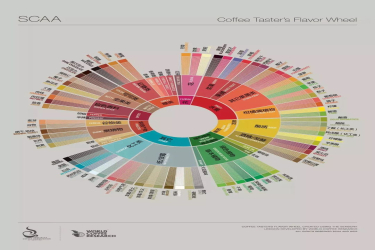

Degas painting Cafe
At the end of the 19th century, city cafes were very familiar to artists and even became the subject of their work. Degas painted Cafe from a different angle.
2014-05-14 Coffee culture paintings cafes coffee beans
Kenyan coffee boutique coffee delicious African coffee
Coffee entered Kenya in the 19th century, when Ethiopian coffee drinks were imported into Kenya through southern Yemen. But it was not until the early 20th century that the Bourbon Coffee Tree was created by the St. Austen Mission (St). AustinMission) is introduced. Kenyan coffee is mostly grown at an altitude of 1500 to 2100 meters and is harvested twice a year. To ensure that only ripe berries are picked, people must be in the forest
2016-05-20 Kenya coffee flavor boutique delicious Africa 19th century enter
Characteristics of Kenyan Coffee beans Fine Coffee
Coffee entered Kenya in the 19th century, when Ethiopian coffee drinks were imported into Kenya through southern Yemen. But it was not until the early 20th century that the Bourbon Coffee Tree was created by the St. Austen Mission (St). AustinMission) is introduced. Kenyan coffee is mostly grown at an altitude of 1500 to 2100 meters and is harvested twice a year. To ensure that only ripe berries are picked, people must be in the forest
2016-05-06 Kenya coffee beans characteristics practices boutique coffee 19th century enter
Characteristics of Kenyan Coffee beans Fine Coffee
Coffee entered Kenya in the 19th century, when Ethiopian coffee drinks were imported into Kenya through southern Yemen. But it was not until the early 20th century that the Bourbon Coffee Tree was created by the St. Austen Mission (St). AustinMission) is introduced. Kenyan coffee is mostly grown at an altitude of 1500 to 2100 meters and is harvested twice a year. To ensure that only ripe berries are picked, people must be in the forest
2016-05-08 Kenya coffee beans characteristics practices boutique coffee 19th century enter
Characteristics of Kenyan Coffee beans Fine Coffee
Coffee entered Kenya in the 19th century, when Ethiopian coffee drinks were imported into Kenya through southern Yemen. But it was not until the early 20th century that the Bourbon Coffee Tree was created by the St. Austen Mission (St). AustinMission) is introduced. Kenyan coffee is mostly grown at an altitude of 1500 to 2100 meters and is harvested twice a year. To ensure that only ripe berries are picked, people must be in the forest
2016-05-08 Kenya coffee beans characteristics practices boutique coffee 19th century enter
Guatemalan coffee the characteristics of Guatemalan coffee
In 1750, Father Jesuit introduced coffee trees to Guatemala, where the coffee industry was developed by German colonists at the end of the 19th century. Today, most of the coffee industry's production takes place in the south of the country. Coffee production in Guatemala: the slopes of SierraMadre volcano provide ideal conditions for growing high-quality coffee beans at high altitudes.
2015-03-26 Guatemala coffee specialty 1750 Jesu Voight Jesuit
Introduction to the Roaster Museum
Since the mid-19th century, coffee-roasting technology has evolved from the simplest home stove with a pan to today's giant computer-controlled automated roasting equipment (which can roast nearly five tons of coffee beans per hour).
2014-07-22 Coffee knowledge roaster museum coffee roasting
Kenyan coffee taste, origin, status and geographical location
It entered Kenya in the 19th century, when Ethiopian coffee drinks were imported into Kenya through southern Yemen. But it was not until the early 20th century that the bourbon was introduced by the St. Austen Mission (St.AustinMission). Kenyan coffee is mostly grown at an altitude of 1500m, 2100m, and is harvested twice a year. To ensure that only ripe berries are picked, people must be in the forest
2016-06-01 Kenya coffee taste origin condition geographical location 19th century entering Ken
Some new coffee elements that are popular in Europe
Coffee powder bag coffee pad diameter is generally 6cm, soft coffee powder bag, ordinary Italian coffee, generally use a special pad coffee machine, the production method is very simple, each bag is the amount of a cup of coffee, press the button can come out of coffee, cleaning and so on are very convenient. The disadvantage is that compared with using coffee beans, the cost of coffee powder bag is low, the cost is high, and the cost of good coffee powder is flat.
2014-08-11 Coffee knowledge European coffee fashion elements
French coffee romance-2
Third, in addition to those open-air cafes that look up to the blue sky, there is no lack of magnificent or simple and elegant people in about 170000 of the cafes in France. Especially in Paris, some cafes are themselves legendary places of interest. In the old dynasty of the Middle Ages, the focus of French cultural life was in the palace. In the age of enlightenment in the 18th century, the focus of culture began to shift to various salons.
2014-08-12 Coffee culture France coffee romance