“18” search results (6785)
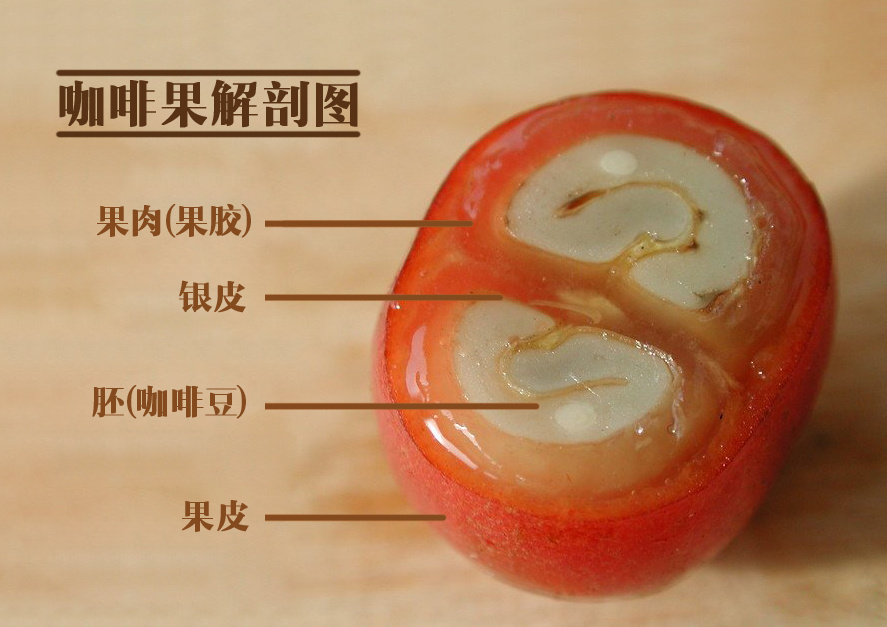
18 pieces of cold knowledge about coffee eleven ways to identify coffee
A cup of coffee will lose 70% of its flavor in 2 minutes, and the following knowledge is definitely enough for you to hold your eyebrows for 2 minutes. Coffee is one of the most popular drinks in the world. Although it is very popular, many people don't know it very well. Here are 19 little secrets behind coffee. After reading it, you will know where coffee comes from and grow a pound of coffee.
2016-04-06 Coffee tasting Dafa about 18 articles knowledge one appraisal method one cup
Graded high-quality coffee beans
There are two ways to classify raw coffee beans, one is the filter number, and the other is the elevation. It is divided by the number of the filter screen, and the size is in the unit of the screen (size). Round beans are generally smaller than flat beans, between 8-13 and 12-29. 8, 9, 10. 12, 13. 18. 29 = small, medium, ordinary. Quasi-big. Big, extra large. The bigger the size, the bigger the beans. Like SC.
2014-09-13 Grading of raw coffee beans boutique coffee beans
Kenya Coffee Grade: Kenya AA
Kenyan coffee has many followers in the boutique coffee industry, and Kenyan AA has an extraordinary popularity. Usually, Kenyan coffee is classified as follows: 1) Common categories: coffee fruits picked by hand, picked by hand, picked out immature fruit (unripe), overripe fruit (overripe) and other defects, peeled, fermented for about 36 hours, and dried in the sun on a metal grid.
2014-09-03 Kenyan coffee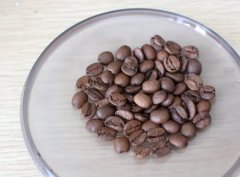
Standard for grading coffee beans
There are two ways to grade coffee beans, one is to filter the number of points, one is to elevation points. It is divided by the filter number and the size is determined by the mesh size. Round beans are generally smaller than flat beans, round beans between 8-13, flat beans between 12-29. 8,9,10... 12,13... 18... 29 = Small, Medium, Normal... It's a big... big, extra big. The bigger the number, the bigger the bean. Like SC
2015-01-08 quality coffee common sense green beans grading standard method
Coffee goes through all over the world
From the 17th century to the early 18th century, the habit of drinking coffee spread from Europe, from the west to the whole of Europe, and eastward to India and present-day Indonesia. As for coffee as a growing crop, the Islamists brought the seeds from Yemen to India, and then Europe introduced the seeds to Ceylon and Java. Bring seeds from Java to Amsterdam
2014-08-15 Coffee knowledge coffee development process global coffee development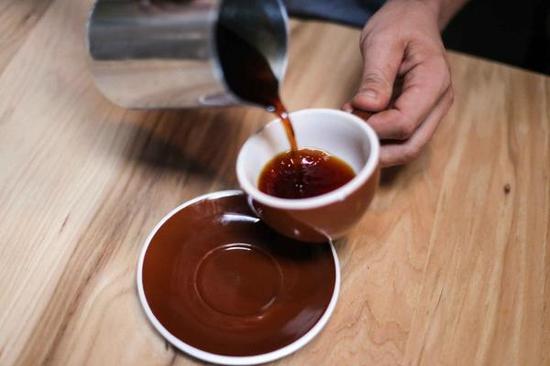
18 pieces of cold knowledge about coffee eleven ways to identify coffee
A cup of coffee will lose 70% of its flavor in 2 minutes, and the following knowledge is definitely enough for you to hold your eyebrows for 2 minutes. Coffee is one of the most popular drinks in the world. Although it is very popular, many people don't know it very well. Here are 19 secrets behind the coffee. After reading it, you will know where the coffee comes from and grow a pound of coffee.
2015-09-19 About coffee 18 articles knowledge one identification method one cup 2 points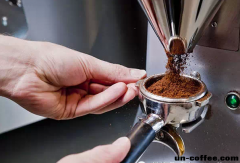
Those things about coffee extraction espresso extraction and correction
Third, espresso extraction and revision (1) EBF in the boutique coffee industry is getting more and more attention today, coffee extraction rate as an objective and real data, its impact on the performance of the cup has been recognized by most knowledge-based baritsa. Under this premise, it means that we can combine the variables that affect the extraction rate and analyze in depth how to correct it.
2015-10-19 Coffee take those espresso extract modify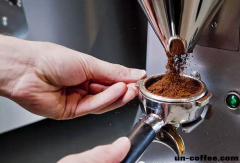
Those things about coffee extraction espresso extraction and correction
(1) EBF is getting more and more attention in the boutique coffee industry today, coffee extraction rate as an objective and real data, its impact on the performance of the cup has been recognized by most knowledge-based baritsa. Under this premise, it means that we can combine the variables that affect the extraction rate and analyze in depth how to achieve proper extraction by modifying the extraction rate.
2015-01-23 Coffee take those espresso extract modify EBF boutique
Grading standard of raw coffee beans
There are two ways to classify brown raw beans, one is to filter the number, and the other is to divide it by elevation. It is divided by the number of the filter screen, and the size is in the unit of the screen (size). Round beans are generally smaller than flat beans, between 8-13 and 12-29. 8, 9, 10. 12, 13. 18. 29 = small, medium, ordinary. Quasi-big. Big, extra large. The bigger the size, the bigger the beans. Like SC-1.
2014-08-20 Coffee knowledge grading standards coffee raw beans
Classification standard of coffee raw beans for fine coffee
There are two ways to classify raw coffee beans, one is the filter number, and the other is the elevation. It is divided by the number of the filter screen, and the size is in the unit of the screen (size). Round beans are generally smaller than flat beans, between 8-13 and 12-29. 8, 9, 10. 12, 13. 18. 29 = small, medium, ordinary. Quasi-big. Big, extra large. The bigger the size, the bigger the beans. Like SC.
2014-09-03 Coffee knowledge boutique coffee beans coffee raw beans coffee bean grading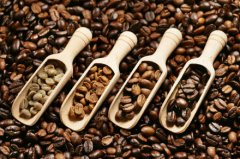
Quality coffee beans, knowledge, classification of raw coffee beans
There are two ways to classify raw coffee beans, one is the filter number, and the other is the elevation. It is divided by the number of the filter screen, and the size is in the unit of the screen (size). Round beans are generally smaller than flat beans, between 8-13 and 12-29. 8, 9, 10. 12, 13. 18. 29 = small, medium, ordinary. Quasi-big. Big, extra large. The bigger the size, the bigger the beans. Like SC.
2015-01-04 Boutique coffee beans knowledge coffee raw beans grading methods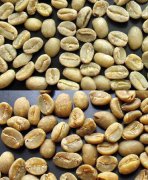
Grading of raw coffee beans
There are two ways to classify raw coffee beans, one is the filter number, and the other is the elevation. It is divided by the filter number, and the size is size in terms of the screen size. Round beans are generally smaller than flat beans, between 8-13 and 12-29. 8, 9, 10. 12, 13. 18. 29 = small, medium, ordinary. Quasi-big. Big, extra large. The bigger the size, the bigger the beans. Like SC-.
2014-07-01 Raw beans raw coffee beans coffee beans grading
Standard for grading of fine coffee beans, common sense coffee and raw beans
It is divided by the number of the filter screen, and the size is in the unit of the screen (size). Round beans are generally smaller than flat beans, between 8-13 and 12-29. 8, 9, 10. 12, 13. 18. 29 = small, medium, ordinary. Quasi-big. Big, extra large. The bigger the size, the bigger the beans. SC-19, for example, is the No. 19 bean. According to the elevation of the cultivated land, it can be divided into seven grades.
2015-01-13 Boutique coffee beans common sense coffee raw beans grading standards filtering number size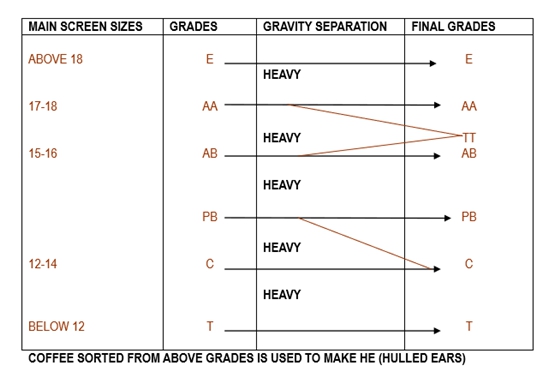
World boutique Coffee beans: Kenya Coffee Grade Kenya AA
Kenyan coffee has many followers in the boutique coffee industry, and Kenyan AA has an extraordinary popularity. Usually, Kenyan coffee is classified as follows: 1) Common categories: coffee fruits picked by hand, picked by hand, picked out immature fruit (unripe), overripe fruit (overripe) and other defects, peeled, fermented for about 36 hours, and dried in the sun on a metal grid.
2015-12-09 World boutique coffee beans Kenya coffee grade division Ken
Coffee and Chocolate
From the early 18th century, another dark drink, chocolate, became popular at court and among the nobility. Dickens in "A Tale of Two Cities" in this description of the aristocrat drinking chocolate scene: the first attendant to hold the chocolate pot before the holy adult; the second attendant to use his special tools to grind chocolate into foam; the third attendant served the adult favorite napkin; the fourth
2014-08-05 coffee chocolate relationship 18th century beginning court aristocracy between popular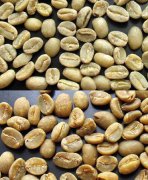
Classification of raw coffee beans in Coffee Encyclopedia
There are two ways to classify raw coffee beans, one is the filter number, and the other is the elevation. It is divided by the filter number, and the size is size in terms of the screen size. Round beans are generally smaller than flat beans, between 8-13 and 12-29. 8, 9, 10. 12, 13. 18. 29 = small, medium, ordinary. Quasi-big. Big, extra large. The bigger the size, the bigger the beans. Like SC-.
2014-09-19 Coffee encyclopedia raw coffee beans coffee raw beans grading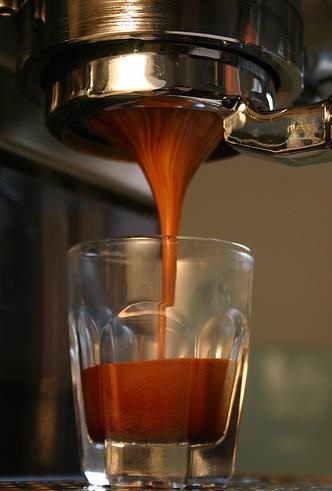
Espresso status Survey Commercial concentrated formulations and the most average Household formulations
Author: Jame Hoffman, founder of Square Mile, a famous baker in London. Champion of the 2007 World Barista Competition. Ms Chimp article was written on Aug. 31, 2015. this article is the result of a questionnaire survey conducted by me in the past two weeks. I received about 1500 answers, and the response rate was very good. Although I need to go.
2016-07-22 Espresso condition Survey Commercial concentrated Formula average Household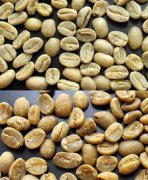
Grading of raw coffee beans there are two ways to grade raw coffee beans.
There are two ways to classify raw coffee beans, one is the filter number, and the other is the elevation. It is divided by the filter number, and the size is size in terms of the screen size. Round beans are generally smaller than flat beans, between 8-13 and 12-29. 8, 9, 10. 12, 13. 18. 29 = small, medium, ordinary. Quasi-big. Big, extra large. The bigger the size, the bigger the beans. Like SC-.
2015-06-05 Coffee beans grading coffee raw beans methods two kinds
General knowledge of fine coffee beans grading of raw coffee beans
There are two ways to classify raw coffee beans, one is the filter number, and the other is the elevation. It is divided by the filter number, and the size is size in terms of the screen size. Round beans are generally smaller than flat beans, between 8-13 and 12-29. 8, 9, 10. 12, 13. 18. 29 = small, medium, ordinary. Quasi-big. Big, extra large. The bigger the size, the bigger the beans. Like SC-.
2014-11-13 Coffee knowledge boutique coffee coffee bean common sense grading
"Black Deacon" Funtom Cafe Coffee details, delicacies and limited perimeter publicity
Black Deacon Funtom Cafe, with the theme of cartoonist Shu Liang's work "Black Deacon", will be limited to the public within the AREA-Q of Q-plaza Harajuku in Tokyo from January 18, 2016, during which a variety of delicacies and limited perimeter will be sold. Now that the pictures have all been exposed, let's satisfy our greed. Black Deacon Funtom Cafe is set up as a coffee shop run by Charfan Dom Hein himself.
2015-12-23 Black Deacon Funtom Cafe Coffee details Food limits perimeter