“17th” search results (600)

Coffee Culture History of British Literary Cafe
It is known all over the world that English people are addicted to tea. But from the mid-17th century to the early 18th century, the whole of London was soaked in coffee instead of tea. British men switch from drinking to drinking coffee, or both. When they get drunk in a pub, they go to the cafe to sober up with caffeine and then go to the pub to continue drinking. The first coffee shop in England, which appeared at Oxford University in 1650, was a
2015-04-07 Britain literature and art cafes coffee cultural history
Introduction to boutique coffee beans-- the characteristics of Mantenin Coffee
The Dutch introduced Arabica seedlings to Ceylon (present-day Sri Lanka) and Indonesia for the first time in the 17th century. In 1877, a large-scale coffee rust hit the Indonesian islands, destroying almost all coffee trees. People had to give up Arabica, which had been in operation for many years, and introduced Robsta coffee trees with strong disease resistance from Africa. Indonesia today is a coffee producer.
2016-03-24 Boutique coffee beans introduction Mant coffee characteristics taste 17th century Dutch
Coffee Culture of various countries British Literary Cafe
It is known all over the world that English people are addicted to tea. But from the mid-17th century to the early 18th century, the whole of London was soaked in coffee instead of tea. British men switch from drinking to drinking coffee, or both. When they get drunk in a pub, they go to the cafe to sober up with caffeine and then go to the pub to continue drinking. The first coffee shop in England, which appeared at Oxford University in 1650, was a
2014-08-12 Coffee Culture Art Cafe
Celebration of the 50th Anniversary of Sino-Cuban Friendship in Fine Coffee beans, Cuban Coffee, Crystal Mountain Coffee, Cuba
Cubita is Cuban coffee, which is mainly exported to Japan, France, Germany, Ireland, Canada and other countries. The cubita coffee entering the Chinese market is all selected from the pollution-free Crystal Mountain coffee beans in the high altitude areas of Cuba, which is a typical Caribbean coffee bean. All the granules of coffee beans are strictly selected according to the standard of sieve 17-19, and the selected coffee beans have large particles and high maturity.
2016-01-06 Boutique coffee beans Cuba coffee crystal mountain medieval friendship 50th anniversary celebration
Coffee Culture of various countries British Literary Cafe
It is known all over the world that English people are addicted to tea. But from the mid-17th century to the early 18th century, the whole of London was soaked in coffee instead of tea. British men switch from drinking to drinking coffee, or both. When they get drunk in a pub, they go to the cafe to sober up with caffeine and then go to the pub to continue drinking. The first coffee shop in England, which appeared at Oxford University in 1650, was a
2015-10-06 Countries coffee culture Britain literature and art cafes
Boutique coffee recommends Indonesian coffee
In the mid-17th century, coffee trees were introduced to Indonesia by the Dutch (some official sources believe that earlier). The first batch of coffee from Java was sold to Amsterdam in 1712. However, coffee trees in all plantations were destroyed by coffee rust in 1877, and Robart coffee trees had to be introduced from Africa to replace the original species. Today, only 6% of the coffee beans and 10% of the coffee beans are Arab.
2014-12-18 Boutique Coffee recommendation Indonesia 17th Century Middle Dutch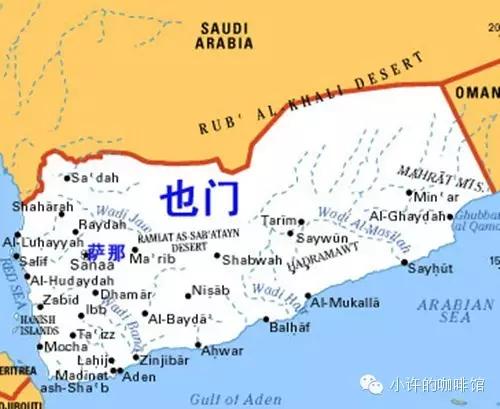
Mocha Coffee Yemen Coffee World Coffee Tour the country of Mocha-Yemen
The word Mocha, the country of the World Coffee Tour, Yemen, originated in Europe in the 16th and 17th century, because coffee imported from the Arab world was transported from the port of Mocha in Yemen, so at first people used mocha as a synonym for coffee. So until the invention of the mocha pot in the 20th century, people took it for granted that this kind of coffee-making utensils were called mocha pots. As for Esther,
2016-03-21 Mocha coffee Yemen world tour country mocha
Coffee manor introduces Indian plantation A coffee
India is the first country in Asia to grow coffee, and India's A-grade coffee beans have always been a kind of coffee strongly concerned by coffee lovers all over the world. Its flavor and taste features: uniform particles, rich taste, slippery and delicious. The cultivation of Indian coffee originated from their colonists, the British. As early as the 17th and early 18th centuries, the English were not as addicted to tea as they are now.
2014-11-12 Coffee knowledge coffee manor coffee cultivation
Why does coffee wake people up?
The secret is caffeine. Modern medicine has proved that it can stimulate the central nervous system, accelerate the speed at which people perceive the surrounding environment, and improve people's response and understanding ability. it can indeed bring spiritual pleasure, which is different from alcoholic pleasure. It is continuous, rising, steady, and does not have the attenuating effect of reaching the peak of pleasure like alcohol. From 17
2014-08-05 Why coffee sober secret is caffeine modern medicine.
Grade A coffee beans from India
India is the first country in Asia to grow coffee, and India's A-grade coffee beans have always been a kind of coffee strongly concerned by coffee lovers all over the world. Its flavor and taste features: uniform particles, rich taste, slippery and delicious. The cultivation of Indian coffee originated from their colonists, the British. As early as the 17th and early 18th centuries, the English were not as addicted to tea as they are now.
2014-08-07 India coffee beans Asia the earliest cultivation coffee country one
Indian Plantation A Coffee is called "very natural gold nugget".
India is the first country in Asia to grow coffee, and India's A-grade coffee beans have always been a kind of coffee strongly concerned by coffee lovers all over the world. Its flavor and taste features: uniform particles, rich taste, slippery and delicious. The cultivation of Indian coffee originated from their colonists, the British. As early as the 17th and early 18th centuries, the English were not as addicted to tea as they are now.
2015-06-01 India plantations coffee very natural nuggets known as
Asian Fine Coffee Bean Indian Plantation A Coffee
India was the first country in Asia to grow coffee, and India's A-grade coffee beans have always been a coffee that has received strong attention from coffee lovers around the world. Its flavor and taste characteristics: uniform particles, rich taste, smooth and delicious. The cultivation of Indian coffee originated with their colonists, the British. In the 17th and early 18th centuries, the English did not drink tea as much as they do today.
2014-09-30 Coffee knowledge Asian specialty coffee beans Indian coffee
Indian plantation A coffee known as "very nugget"
India was the first country in Asia to grow coffee, and India's A-grade coffee beans have always been a coffee that has received strong attention from coffee lovers around the world. Its flavor and taste characteristics: uniform particles, rich taste, smooth and delicious. The cultivation of Indian coffee originated with their colonists, the British. In the 17th and early 18th centuries, the English did not drink tea as much as they do today.
2015-10-13 very natural nugget name india plantation coffee
Indian Plantation A Coffee, known as "very natural nuggets".
India is the first country in Asia to grow coffee, and India's A-grade coffee beans have always been a kind of coffee strongly concerned by coffee lovers all over the world. Its flavor and taste features: uniform particles, rich taste, slippery and delicious. The cultivation of Indian coffee originated from their colonists, the British. As early as the 17th and early 18th centuries, the English were not as addicted to tea as they are now.
2014-07-02 Indian plantations coffee beans boutique coffee
Indian Plantation A Coffee, known as "very natural nuggets".
India is the first country in Asia to grow coffee, and India's A-grade coffee beans have always been a kind of coffee strongly concerned by coffee lovers all over the world. Its flavor and taste features: uniform particles, rich taste, slippery and delicious. The cultivation of Indian coffee originated from their colonists, the British. As early as the 17th and early 18th centuries, the English were not as addicted to tea as they are now.
2014-11-20 Coffee knowledge Indian coffee coffee plantations
The Common sense Coffee basis of Grade A Coffee beans in India
India is the first country in Asia to grow coffee, and India's A-grade coffee beans have always been a kind of coffee strongly concerned by coffee lovers all over the world. Its flavor and taste features: uniform particles, rich taste, slippery and delicious. The cultivation of Indian coffee originated from their colonists, the British. As early as the 17th and early 18th centuries, the English were not as addicted to tea as they are now.
2015-05-14 India coffee beans common sense coffee basics
Indian Plantation A Coffee, known as "very natural nuggets".
India is the first country in Asia to grow coffee, and India's A-grade coffee beans have always been a kind of coffee strongly concerned by coffee lovers all over the world. Its flavor and taste features: uniform particles, rich taste, slippery and delicious. The cultivation of Indian coffee originated from their colonists, the British. As early as the 17th and early 18th centuries, the English were not as addicted to tea as they are now.
2015-09-15 Very natural nuggets known as India plantations coffee
The latest cup test of Kenya
Kenya is a neighbor of Ethiopia, but coffee was introduced at the end of the 19th century. Although it has a history of only more than 100 years, Kenyan coffee is now an important representative of the boutique coffee market. Kenyan coffee is graded according to the size of raw beans (sieve), raw beans into a PB, flat beans are mainly AA++,AA+,AA,AB,C,E and other grades. Beans above AA level are used on the 17th.
2014-09-02 Cup test Kenya
Coffee Bean Java Coffee Flavor Introduction Full of Taste
Among the coffee-producing Asian countries, Indonesia is one of the most noteworthy. Indonesia is an island country in the Indian Ocean, with islands on either side of the equator, three of which: Java, Sumatra and Surawesi produce globally important coffee. In the mid-17th century, the Dutch brought coffee trees to Ceylon (Sri Lanka) and Java in Indonesia. 18th century, India
2015-12-28 boutique coffee beans java coffee flavor presentation taste full asian
A mocha pot is a coffee pot.
Historically, the word mocha has been used as a nickname for coffee, and coffee is mocha. The coffee pot is the mocha pot. Invented by the Italians. Why is coffee a mocha? In the early 17th century, the first Yemeni coffee sold to Europe was exported through the ancient port of Mocha. Europeans (first of all, the merchants of Venice, Italy) called the delicious coffee shipped from the port of Mocha Mocha Coffee.
2014-07-29 Mocha pot coffee maker coffee utensils