“16 species” search results (500)

Characteristics of the Historical Origin of Coffee Culture in Colombia
History tracing Editor Colombian Coffee Brand Colombian Coffee Brand (9) the history of coffee cultivation in Colombia can be traced back to the Spanish colonial era in the 16th century. there are also many theories about the history of coffee in Colombia: one: it is said to have come from the island of the Caribbean and by sea through El Salvador in Central America. Second: in 1808, a priest obeyed the law.
2016-06-05 Columbia Coffee Cultural History Origin characteristics History Editor Goran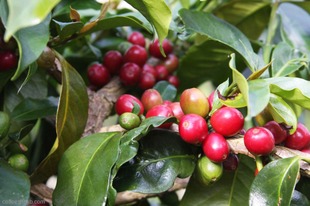
Tanzania coffee bean varieties Tanzania boutique coffee bean varieties SC3, SC11 and SC14
Species of coffee beans in Tanzania, local coffee species: in the past, the coffee species commonly used in Tanzania are Bourbon (N.39) and Kents (KP 423). However, due to the low insect resistance and disease resistance of these two coffee varieties, the coffee quality can not meet the requirements of high-quality coffee, not to mention the world-famous UTZ and Fair trade certification. With the new technology of growing coffee beans
2016-01-21 Tanzania coffee beans variety boutique SC3 SC11 SC14
An introduction to the Historical Origin of Coffee cultivation in Colombia
The history of coffee cultivation in Colombia can be traced back to the Spanish colonial era in the 16th century, and there are many theories about the history of coffee in Colombia: one: it is said to come from the island of Haiti in the Caribbean and from El Salvador in Central America. Second: in 1808, a priest introduced coffee beans to Colombia for the first time from the French Antilles via Venezuela. One of them
2016-06-27 Colombia cultivation Coffee History Origin introduction Andes Mountains Columbia
An introduction to the Origin and Cultural course of Coffee beans in Kenya
1) Common classification: hand-picked coffee fruit, picked by hand, picked out immature fruit (unripe), overripe fruit (overripe) and other defects, peeled, after about 36 hours of fermentation, placed on a metal grid for sun drying, in the processing plant to remove the seed shell (parchment), become a blue-green appearance of attractive Kenyan raw beans. These beautiful raw beans, roots
2016-06-03 Kenya coffee beans species grading introduction origin culture history common points
Introduction to the planting methods of the Coffee growing area in El Salvador
A brief History of Coffee production in 1742, coffee was introduced to El Salvador from the Caribbean (1740). In the mid-19th century, El Salvador's original export pillar Indigo (one of the dyes) received a gradual decline in the development of synthetic dyes in Europe, and coffee gradually became the main export product under the guidance of the government. In 1856, the first 693 bags of coffee beans were shipped to Europe. all long
2016-07-11 Salva many Coffee planting area way introduction Anna Volcano region
Introduction to the flavor and taste characteristics of sweet Colombian coffee manor
The history of coffee cultivation in Colombia can be traced back to the Spanish colonial era in the 16th century, and there are many theories about the history of coffee in Colombia: one: it is said to come from the island of Haiti in the Caribbean and from El Salvador in Central America. Second: in 1808, a priest introduced coffee beans to Colombia for the first time from the French Antilles via Venezuela. One of them
2016-09-06 Sweet Columbia Coffee Manor producing area Flavor palate Variety characteristics introduction
Botanical characteristics of small seed Coffee
1. Root coffee is a shallow root crop, and the plant propagated with seeds is a cone root system. From the point of view of varieties, the roots of small and medium grain species are shallow, while those of large grain species are deeper. Yunnan small grain coffee is a 3-year-old 4-year-old fruit tree with a deep main root of about 70cm. The lateral root that grows horizontally from the main root is called the horizontal lateral root, the vertical lateral root grows downward, and the root extracted from the lateral root is called the secondary lateral root.
2016-06-05 Small grains coffee botany characteristics shallow roots crops seeds reproduction planting
Introduction of Indonesian Coffee Flavor characteristics of manors in Indonesian coffee producing areas Kahayang Gan Manor
The prosperity of coffee in Indonesia was not sustainable, coffee production was fatally hit at the end of the 18th century, and leaf rust, originally found in West Java, spread rapidly, destroying the Arabica coffee estate in Indonesia. The leading position of the coffee trade was replaced by the American producing countries. However, it is worth mentioning that the leaf rust disaster did not affect the eastern Indonesian producing areas, namely, Flores Island and Timor, today.
2016-07-30 Indonesia Coffee Flavor introduction producing area Manor characteristics Kaha Yanggan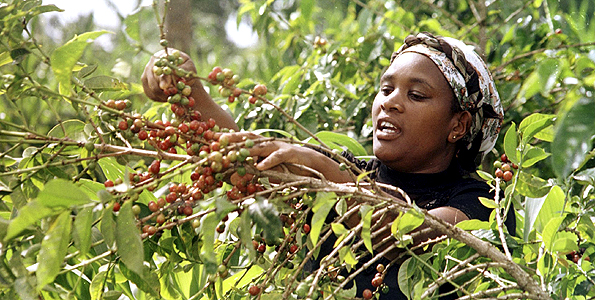
How to choose and buy? How can I buy good coffee beans online? Bourbon species for washing treatment in Rwanda
1. When buying beans online, you should pay attention to the production date, shelf life, packaging and sealing, the roasting degree of coffee beans, the types of coffee beans, and your utensils to determine what kind of beans you want. If you use blue mountain beans to make ESP, it is indeed a maverick way, but it is also too unprofessional and expensive, and the taste is not very good. The production date must be at least
2016-04-23 How how to buy OK coffee beans online buy Rwanda water
El Salvador Coffee Manor introduces El Salvador Coffee Flavor Renas Manor
In 1742, coffee was introduced to El Salvador from the Caribbean (1740). In the mid-19th century, El Salvador's original export pillar Indigo (one of the dyes) received a gradual decline in the development of synthetic dyes in Europe, and coffee gradually became the main export product under the guidance of the government. In 1856, the first 693 bags of coffee beans were shipped to Europe. Until the second World University.
2016-07-27 El Salvador Coffee Manor introduction producing area Flavor Linus Nass
Botanical characteristics of small Grain Coffee in Yunnan
1. Root coffee is a shallow root crop, and the plant propagated with seeds is a cone root system. From the point of view of varieties, the roots of small and medium grain species are shallow, while those of large grain species are deeper. Yunnan small grain coffee is a 3-year-old 4-year-old fruit tree with a deep main root of about 70cm. The lateral root that grows horizontally from the main root is called the horizontal lateral root, the vertical lateral root grows downward, and the root extracted from the lateral root is called the secondary lateral root.
2014-09-05 Coffee knowledge Yunnan Coffee small Coffee Coffee Botany
Introduction to the morphological and taste characteristics of Colombian coffee-species
Colombian Coffee-species Morphology Colombian Coffee Plant Morphology Colombian Coffee Plant Morphology the varieties of Colombian coffee are mainly small grain coffee. Plants are small trees or large shrubs, 5-8 m tall, usually much branched at base; old branches gray-white, nodes dilated, young branches glabrous, compressed. Leaves thinly leathery, ovate-lanceolate or lanceolate, 6-14 cm long and 3.5-5 wide
2016-06-12 Columbia Coffee species Morphology taste characteristics introduction Colombia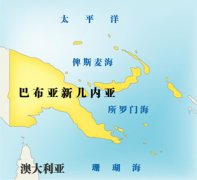
Papua New Guinea-Birds of Paradise Fly
Asian coffee, which started late, is already short of famous brands. In addition, Vietnam's vigorous coffee production in recent years has cast a shadow over Asian coffee. The name of Indonesian Java coffee a century ago has also changed in a rust epidemic. Good Arabica beans are also increasingly difficult to find. Only Sumatra with the sun called Mantenin remains.
2014-09-02 Papua New Guinea Top Coffee Beans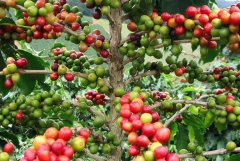
The history of coffee cultivation in Colombia is known as "green gold".
The history of coffee cultivation in Colombia can be traced back to the Spanish colonial era in the 16th century, and there are many theories about the history of coffee in Colombia: one: it is said to come from the island of Haiti in the Caribbean and from El Salvador in Central America. Second: in 1808, a priest introduced coffee beans to Colombia for the first time from the French Antilles via Venezuela. One of them
2016-05-06 Colombia coffee planting history known as green gold species
Botanical characteristics of small seed Coffee Coffee shallow Root crops
1. Root coffee is a shallow root crop, and the plant propagated with seeds is a cone root system. From the point of view of varieties, the roots of small and medium grain species are shallow, while those of large grain species are deeper. Yunnan small grain coffee is a 3-year-old 4-year-old fruit tree with a deep main root of about 70cm. The lateral root that grows horizontally from the main root is called the horizontal lateral root, the vertical lateral root grows downward, and the root extracted from the lateral root is called the secondary lateral root.
2015-10-07 Small grains coffee botany characteristics shallow roots crops
Botanical characteristics of small seed Coffee characteristics of Coffee in Yunnan
1. Root coffee is a shallow root crop, and the plant propagated with seeds is a cone root system. From the point of view of varieties, the roots of small and medium grain species are shallow, while those of large grain species are deeper. Yunnan small grain coffee is a 3-year-old 4-year-old fruit tree with a deep main root of about 70cm. The lateral root that grows horizontally from the main root is called the horizontal lateral root, the vertical lateral root grows downward, and the root extracted from the lateral root is called the secondary lateral root.
2015-02-16 Small grains coffee botany characteristics Yunnan shallow roots crops seeds multiplication
El Salvador Coffee producing area introduces the IzaIco area of Sonsonate Province
In 1742, coffee was introduced to El Salvador from the Caribbean (1740). In the mid-19th century, El Salvador's original export pillar Indigo (one of the dyes) received a gradual decline in the development of synthetic dyes in Europe, and coffee gradually became the main export product under the guidance of the government. In 1856, the first 693 bags of coffee beans were shipped to Europe. Until the second World University.
2016-06-21 El Salvador coffee producing area introduction Sonsonate IzaIco
Variety of coffee beans introduction to coffee beans
The origin of coffee plant can be traced back to millions of years ago, in fact, the real age when it was discovered can no longer be tested. It is only said that coffee is a shepherd named Kaldi in the highlands of Ethiopia. When he discovered that his sheep had inadvertently eaten the fruit of a plant, he became very lively and energetic, and discovered coffee ever since. All historians seem to be the same
2016-05-08 Coffee beans varieties practices introduction
Basic knowledge of boutique coffee
Coffee (scientific name: Coffea arabica), also known as coffee tree, Arabica coffee, etc., is the national flower of Yemen. Before the 6th century in the park, Yemen was called Arab, so the coffee trees transported from them to other places were also called Arabian coffee trees. The name coffee comes from the Arabic Qahwah, which means plant drink. Later, the coffee spread all over the world, and it was picked.
2015-02-09 Boutique coffee basics common sense about knowledge scientific name Coffea
Coffee knowledge Fine Coffee basic knowledge
Coffee (scientific name: Coffea arabica), also known as coffee tree, Arabica coffee, etc., is the national flower of Yemen. Before the 6th century in the park, Yemen was called Arab, so the coffee trees transported from them to other places were also called Arabian coffee trees. The name coffee comes from the Arabic Qahwah, which means plant drink. Later, the coffee spread all over the world, and it was picked.
2015-03-09 Coffee knowledge boutique basics common sense