“1200” search results (2334)

Graded coffee raw bean treatment
At present, there are three main rating criteria for raw coffee beans, and different countries adopt different rating methods according to their own production conditions and national conditions (not all coffee producing countries adopt the same method). Let's introduce these three popular rating methods. One: the reason for the emergence of such a classification standard according to the altitude of the coffee producing area is mainly because of the high level.
2014-09-18 Grading of raw coffee beans and treatment of raw coffee beans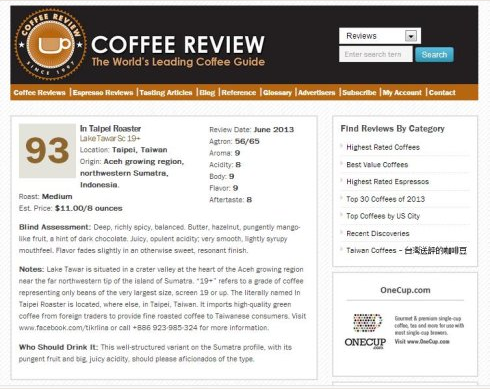
Emerald Manning of Lake Tawa, Sumatra, hand of Hope Plan Coffee beans
If Chen Man is an elegant lady, then this time the emerald Manning I think is a princess of princes and nobles. This hand of Hope from Lake Tawa in Aceh, Sumatra, plans the emerald Mantenin, which is 1200-1600 meters above sea level. The raw beans are all crystal clear, full and plump, with a classification of more than 19 mesh. Use the usual dampness in Sumatra.
2015-08-05 Sumatra Tower Lake WA Emerald Mante Hope hand Plan Coffee beans such as
Classification standard of raw coffee beans
There are two ways to classify raw coffee beans, one is the filter number, and the other is the elevation.
2014-06-04 Coffee knowledge coffee raw beans grading standards
Coffee industry development Cafe brain drain reasons
1, no money to earn a lot of coffee shop manager or boss to ask me for people, the salary is lower than the hot pot shop waiter, once I said to such a boss, you open this salary is recruiting baristas or recruiting slaves. I mentioned in my previous article "Why Coffee is Not Popular in China" that the salary of baristas in 2008 was around 1200 yuan, but you were in 2
2015-01-12 Coffee Industry development Cafe Talent Loss Reason No money Quite a lot
Introduction to the characteristics of Mexican Fine Coffee Bean Flavor and taste Manor
The Olmec civilization (Olmec) is the oldest known American civilization. It existed from about 1200 BC to 400 BC and is located in the rainforest of what is now south-central Mexico and is famous for its large head statues. The Olmec civilization was born in the tropical jungles of the San Lorenzo Highlands of Central America around 1200 BC. San Lorenzo was an early Olmec.
2016-08-23 Granules plump even Mexico boutique coffee beans flavor taste manor production
Types of bean grinders for fine coffee in other Ethiopian coffee producing areas
Iron ratio to Bebeca: the iron ratio is 1000 to 1900 meters above sea level and 900 to 1200 meters above sea level. Located on the edge of the Kafa forest, these two areas are the lowest coffee-producing areas in Ethiopia, dominated by bulk commercial beans or formula beans. Tiebi also has a lot of wild coffee. Coffee in this area is seldom used as boutique or single bean. Kinby and Lekampi: Lim is heading northwest, but
2016-04-20 Ethiopia coffee other producing areas boutique bean grinder type Tiebi Beibei
Basic knowledge of fine coffee grading of raw coffee beans
At present, there are three main rating criteria for raw coffee beans, and different countries adopt different rating methods according to their own production conditions and national conditions (not all coffee producing countries adopt the same method). Let's introduce these three popular rating methods. One: the reason for the emergence of such a classification standard according to the altitude of the coffee producing area is mainly because of the high level.
2015-04-17 Boutique coffee basics common sense raw beans grading at present
Introduction of coffee bean producing areas in other coffee producing areas of Ethiopia
Iron ratio to Bebeca: the iron ratio is 1000 to 1900 meters above sea level and 900 to 1200 meters above sea level. Located on the edge of the Kafa forest, these two areas are the lowest coffee-producing areas in Ethiopia, dominated by bulk commercial beans or formula beans. Tiebi also has a lot of wild coffee. Coffee in this area is seldom used as boutique or single bean. Kinby and Lekampi: Lim is heading northwest, but
2015-02-12 Ethiopia coffee other producing areas coffee beans introduction Tiebi Beibei Bei.
Introduction to the flavor and taste of Burundian boutique coffee beans in the manor producing area
Plus the very rare aboriginal Twa. This abnormal social structure occupied by ethnic minorities planted the evil seed of national instability and reached its peak in October 1993. Just four months after taking office, Melchior Ndadaye, Burundi's first ever Hutu head of state and the first democratically elected president, was attacked.
2016-08-22 Aromatic rich Burundian boutique coffee beans flavor taste manor producing area special
Introduction to the special and elegant Mexican coffee flavor and taste of the fine coffee in the manor area.
The Olmec civilization (Olmec) is the oldest known American civilization. It existed from about 1200 BC to 400 BC and is located in the rainforest of what is now south-central Mexico and is famous for its large head statues. The Olmec civilization was born in the tropical jungles of the San Lorenzo Highlands of Central America around 1200 BC. San Lorenzo was an early Olmec.
2016-08-25 Taste special elegant Mexican coffee flavor taste manor producing area characteristics
There are two ways to grade green coffee beans.
There are two ways to grade coffee beans, one is to filter the number of points, one is to elevation points. The size of the round beans is generally smaller than the flat beans, the round beans are between 8-13, and the flat beans are between 12-29. 8,9,10... 12,13... 18... 29= ,,......, Extra large. The bigger the number, the bigger the bean. SC-19, for example, is bean number 19.
2015-11-03 coffee green beans grading method two
Graded high-quality coffee beans
There are two ways to classify raw coffee beans, one is the filter number, and the other is the elevation. It is divided by the number of the filter screen, and the size is in the unit of the screen (size). Round beans are generally smaller than flat beans, between 8-13 and 12-29. 8, 9, 10. 12, 13. 18. 29 = small, medium, ordinary. Quasi-big. Big, extra large. The bigger the size, the bigger the beans. Like SC.
2014-09-13 Grading of raw coffee beans boutique coffee beans
Standard for grading coffee beans
There are two ways to grade coffee beans, one is to filter the number of points, one is to elevation points. It is divided by the filter number and the size is determined by the mesh size. Round beans are generally smaller than flat beans, round beans between 8-13, flat beans between 12-29. 8,9,10... 12,13... 18... 29 = Small, Medium, Normal... It's a big... big, extra big. The bigger the number, the bigger the bean. Like SC
2015-01-08 quality coffee common sense green beans grading standard method
Introduction to the varieties of coffee beans
It is believed that many people have bought mountain coffee, and recently, many merchants have been advertising that their coffee beans are Akalabi. Where did they come from? The coffee beans on the market are mainly divided into Arabrica. Robusta refers to those whose beans grow higher than 1200 meters above sea level, accounting for 60% of the total output of coffee beans in the world.
2014-08-27 Coffee knowledge coffee bean varieties brief introduction of coffee
Grading standard of raw coffee beans
There are two ways to classify brown raw beans, one is to filter the number, and the other is to divide it by elevation. It is divided by the number of the filter screen, and the size is in the unit of the screen (size). Round beans are generally smaller than flat beans, between 8-13 and 12-29. 8, 9, 10. 12, 13. 18. 29 = small, medium, ordinary. Quasi-big. Big, extra large. The bigger the size, the bigger the beans. Like SC-1.
2014-08-20 Coffee knowledge grading standards coffee raw beans
Classification standard of coffee raw beans for fine coffee
There are two ways to classify raw coffee beans, one is the filter number, and the other is the elevation. It is divided by the number of the filter screen, and the size is in the unit of the screen (size). Round beans are generally smaller than flat beans, between 8-13 and 12-29. 8, 9, 10. 12, 13. 18. 29 = small, medium, ordinary. Quasi-big. Big, extra large. The bigger the size, the bigger the beans. Like SC.
2014-09-03 Coffee knowledge boutique coffee beans coffee raw beans coffee bean grading
Quality coffee beans, knowledge, classification of raw coffee beans
There are two ways to classify raw coffee beans, one is the filter number, and the other is the elevation. It is divided by the number of the filter screen, and the size is in the unit of the screen (size). Round beans are generally smaller than flat beans, between 8-13 and 12-29. 8, 9, 10. 12, 13. 18. 29 = small, medium, ordinary. Quasi-big. Big, extra large. The bigger the size, the bigger the beans. Like SC.
2015-01-04 Boutique coffee beans knowledge coffee raw beans grading methods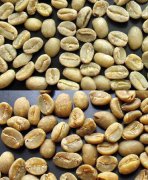
Grading of raw coffee beans
There are two ways to classify raw coffee beans, one is the filter number, and the other is the elevation. It is divided by the filter number, and the size is size in terms of the screen size. Round beans are generally smaller than flat beans, between 8-13 and 12-29. 8, 9, 10. 12, 13. 18. 29 = small, medium, ordinary. Quasi-big. Big, extra large. The bigger the size, the bigger the beans. Like SC-.
2014-07-01 Raw beans raw coffee beans coffee beans grading
Standard for grading of fine coffee beans, common sense coffee and raw beans
It is divided by the number of the filter screen, and the size is in the unit of the screen (size). Round beans are generally smaller than flat beans, between 8-13 and 12-29. 8, 9, 10. 12, 13. 18. 29 = small, medium, ordinary. Quasi-big. Big, extra large. The bigger the size, the bigger the beans. SC-19, for example, is the No. 19 bean. According to the elevation of the cultivated land, it can be divided into seven grades.
2015-01-13 Boutique coffee beans common sense coffee raw beans grading standards filtering number size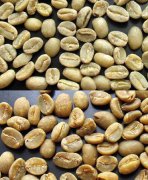
Classification of raw coffee beans in Coffee Encyclopedia
There are two ways to classify raw coffee beans, one is the filter number, and the other is the elevation. It is divided by the filter number, and the size is size in terms of the screen size. Round beans are generally smaller than flat beans, between 8-13 and 12-29. 8, 9, 10. 12, 13. 18. 29 = small, medium, ordinary. Quasi-big. Big, extra large. The bigger the size, the bigger the beans. Like SC-.
2014-09-19 Coffee encyclopedia raw coffee beans coffee raw beans grading