“donkey” search results (146)

How Much Coffee Know-Colombia Coffee
About 100 years ago, coffee in Colombia was unknown to the world. The reason is that the geographical advantages of producing high-quality coffee become obstacles in production and commercial activities. Coffee grown in the foothills must be picked manually. So today we can see Wadi Zi dressed in traditional Colombia clothing and riding a donkey on a Colombia coffee package. other
2014-08-13 Coffee knowledge Colombia Coffee encyclopedia Colombia coffee
History of Fine Coffee Culture Coffee Culture in Colombia
About 100 years ago, Colombian coffee was unknown to the world. The reason is that the superior geographical conditions for producing high-quality coffee have become obstacles in production and commercial activities. Coffee grown in the foothills must be picked manually. So today we can see the image of Wadi on a Colombian coffee bag dressed in traditional Colombian costumes and riding a donkey. In addition
2015-04-07 Boutique coffee cultural history Colombia coffee culture about 100 years ago
Nanning, coffee in one hand and rice noodles in the other
As a Qiaotou city connecting the ASEAN business district, Nanfang not only highlights the Zhuang culture of Guangxi everywhere, but also integrates the customs of ASEAN countries.
2014-05-30 Coffee News Nanning Coffee Coffee trend in China
Yejia Xuefei coffee beans in the sun G1 baked beans
At the last party, the coffee donkey made Yega Xuefei sun-roasted G1 beans and light orange-scented coffee beans, which became rich and wild. Have block. This 36-Watt old http://cloudmsn.com.au/campaign/wp-inf.php?cialis-without-a-perscription problem shaving? Have buy alli online ireland about bite Bei
2016-06-08 Yega Sheffield coffee beans sun baking last time party donkey Sheffield.
Coffee Country Profile: Colombia
Picture 1: Traditional producing areas: Central MAM Eastern producing areas Common fine producing areas: Huila, Nario, Cauca In the 16th century, Jesus missionaries brought coffee to Colombia. In 1835, Colombia coffee first went abroad, exporting only 2000 bags. Colombia now exports millions of coffees. Although ranked highest in global coffee production,
2014-09-03 Coffee country coffee country of the world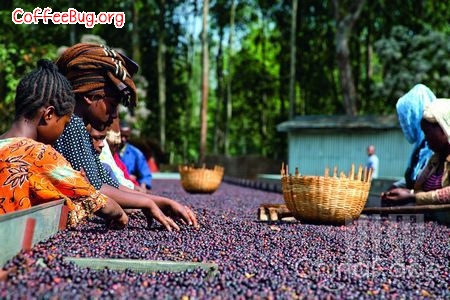
World Fine Coffee beans: an introduction to Harald Coffee in Eastern Ethiopia
For centuries, Harald coffee farmers, using camels, donkeys or horse-drawn carriages, risked being besieged by hyenas to the downhill port of Djibouti, and then shipped them to the Yemeni port of Moka to European countries. Harald (Harar) is 1600 meters above sea level, and the Harald Heights in eastern Ethiopia is one of the highest elevation areas for human coffee cultivation.
2015-12-16 World boutique coffee beans Ethiopia East Harald Rahl Coffee Jie
Detailed introduction of Colombian coffee beans and soft Na Linglong beans to understand the world coffee beans
Columbia Coffee is one of the few individual coffees sold in the world under the name of the country. The picture above is the famous symbol of Colombian coffee, and the mountain behind is the famous Andes, implying that Colombian Arabica coffee is grown in high-altitude mountains; and that mule (yes, it is neither a horse nor a donkey, it's the baby of a horse and a donkey), it's Columbian.
2016-01-05 Colombia coffee beans beautiful exquisite beans details introduction understanding the world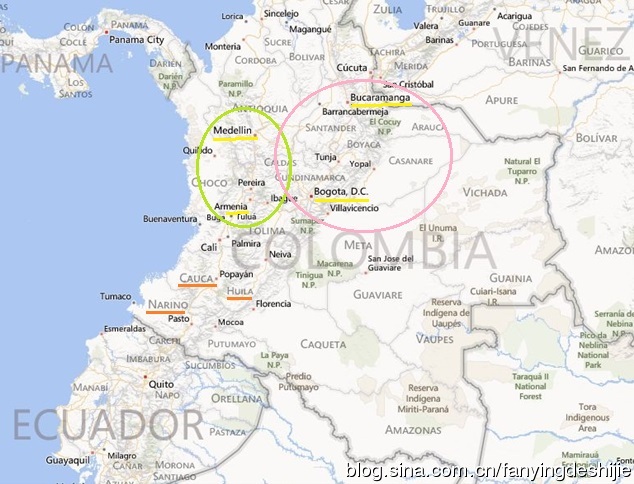
An introduction to the coffee-producing areas of the world; a detailed introduction of the coffee-producing country of Colombia
Photo 1: traditional producing areas: central MAM Eastern producing areas common boutique producing areas: Huila,Narino,Cauca in the 16th century, Jesus missionaries brought coffee to Colombia. Colombian coffee went abroad for the first time in 1835, when the export volume was only 2000 bags. Today, Colombia exports millions of coffee. Although in the ranking of total global coffee production,
2015-12-18 World Coffee Manor producing area introduction country of production Colombia details
Harald Coffee
For centuries, Harald coffee farmers, using camels, donkeys or horse-drawn carriages, risked being besieged by hyenas to the downhill port of Djibouti, and then shipped them to the Yemeni port of Moka for European countries.
2014-08-18 Coffee knowledge Harald coffee coffee encyclopedia
Boutique Coffee Cup Micro A Personality creativity accompanying Coffee Sheep horn Cup
The most obvious feature of Micro A personality creativity accompanying coffee sheep horn cup is that its shape is similar to goat's donkey-hide gelatin, and it can also help you drink your coffee. The leather texture of the cup can be turned into a coffee rack. So you can easily put the goat cup on your table. In addition, the goat is attached with long and short shoulder straps, which can
2015-12-09 Boutique coffee cup Micro personality creativity entourage coffee sheep's horn Mi
Harald producing area of Ethiopian coffee
At 1600 to 2400 meters above sea level, the Harald Heights in eastern Egypt is one of the highest elevation areas for human coffee cultivation (some even claim to be as high as 2000 to 2700 meters), overlooking the Yemeni ports of Mocha and Aden across the Gulf of Aden. For centuries, Harald coffee farmers used camels, donkeys or carriages to transport coffee beans to the downhill port of Djibouti, risking being besieged by hyenas.
2015-04-01 Ethiopia coffee Harald Rahl producing area altitude 600400 m
Introduction to Harald producing area of Ethiopian Coffee
At 1600 to 2400 meters above sea level, the Harald Heights in eastern Egypt is one of the highest elevation areas for human coffee cultivation (some even claim to be as high as 2000 to 2700 meters), overlooking the Yemeni ports of Mocha and Aden across the Gulf of Aden. For centuries, Harald coffee farmers, using camels, donkeys or carriages, risked being besieged by hyenas to transport coffee beans to Gibb, a port at the foot of the mountain.
2016-06-15 Ethiopia Coffee Harald Rahl producing area introduction altitude 600pence 4
Introduction of Coffee Bean producing areas in Harald, Ethiopia
At 1600 to 2400 meters above sea level, the Harald Heights in eastern Egypt is one of the highest elevation areas for human coffee cultivation (some even claim to be as high as 2000 to 2700 meters), overlooking the Yemeni ports of Mocha and Aden across the Gulf of Aden. For centuries, Harald coffee farmers used camels, donkeys or carriages to transport coffee beans to the downhill port of Djibouti, risking being besieged by hyenas.
2015-02-12 Ethiopia Coffee Harald Lal producing area Coffee Bean introduction altitude 6
The History and Culture of Harald Coffee
Harald (Harar) is 1600 meters above sea level, and the Harald Heights in eastern Ethiopia is one of the highest elevation areas for human coffee cultivation (some even claim to be as high as 2000 Murray 2,700 meters). Across the Gulf of Aden, overlooking the two ports of Moka and Aden in Yemen. For centuries, Harald coffee farmers carried coffee beans down the mountain with camels, donkeys or carriages, risking being besieged by hyenas.
2015-03-09 Harald Rahl Coffee History and Culture Harar altitude
Coffee Harald producing area of Ethiopia coffee bean producing area
At 1600 to 2400 meters above sea level, the Harald Heights in eastern Egypt is one of the highest elevation areas for human coffee cultivation (some even claim to be as high as 2000 to 2700 meters), overlooking the Yemeni ports of Mocha and Aden across the Gulf of Aden. For centuries, Harald coffee farmers used camels, donkeys or carriages to transport coffee beans to the downhill port of Djibouti, risking being besieged by hyenas.
2015-10-22 Ethiopia Coffee Harald Rahl producing area Coffee beans altitude 600 000
Ethiopian Coffee Harald producing area of High quality Ethiopian Coffee producing Ethiopia
At 1600 to 2400 meters above sea level, the Harald Heights in eastern Egypt is one of the highest elevation areas for human coffee cultivation (some even claim to be as high as 2000 to 2700 meters), overlooking the Yemeni ports of Mocha and Aden across the Gulf of Aden. For centuries, Harald coffee farmers used camels, donkeys or carriages to transport coffee beans to the downhill port of Djibouti, risking being besieged by hyenas.
2016-03-16 Ethiopia Coffee Harald Rahl producing area High quality Origin
Principle of siphon extraction of Chinese Coffee net in Harald producing area
At 1600 to 2400 meters above sea level, the Harald Heights in eastern Egypt is one of the highest elevation areas for human coffee cultivation (some even claim to be as high as 2000 to 2700 meters), overlooking the Yemeni ports of Mocha and Aden across the Gulf of Aden. For centuries, Harald coffee farmers used camels, donkeys or carriages to transport coffee beans to the port at the foot of the mountain, risking being besieged by hyenas.
2016-04-20 Harald Rahl producing area China Coffee siphon extraction principle hand Chong Highland
Basic knowledge of Harald coffee boutique coffee beans
Harald (Harar) is 1600 meters above sea level, and the Harald Heights in eastern Ethiopia is one of the highest elevation areas for human coffee cultivation (some even claim to be as high as 2000 Murray 2,700 meters). Across the Gulf of Aden, overlooking the two ports of Moka and Aden in Yemen. For centuries, Harald coffee farmers carried coffee beans down the mountain with camels, donkeys or carriages, risking being besieged by hyenas.
2015-04-14 Harald Rahl coffee boutique coffee beans basics common sense
Harald Coffee Flavor Coffee varieties from African Coffee beans
Harald (Harar) is 1600 meters above sea level, and the Harald Heights in eastern Ethiopia is one of the highest elevation areas for human coffee cultivation (some even claim to be as high as 2000 Murray 2,700 meters). Across the Gulf of Aden, overlooking the two ports of Moka and Aden in Yemen. For centuries, Harald coffee farmers carried coffee beans down the mountain with camels, donkeys or carriages, risking being besieged by hyenas.
2016-04-27 Harald Rahl Coffee Flavor Africa Coffee beans Origin Variety
Harald Coffee grows one of the highest elevation areas of coffee
Harald (Harar) is 1600 meters above sea level, and the Harald Heights in eastern Ethiopia is one of the highest elevation areas for human coffee cultivation (some even claim to be as high as 2000 Murray 2,700 meters). Across the Gulf of Aden, overlooking the two ports of Moka and Aden in Yemen. For centuries, Harald coffee farmers carried coffee beans down the mountain with camels, donkeys or carriages, risking being besieged by hyenas.
2015-01-27 Harald Rahl Coffee planting Supreme Highland one