“Timo” search results (73)
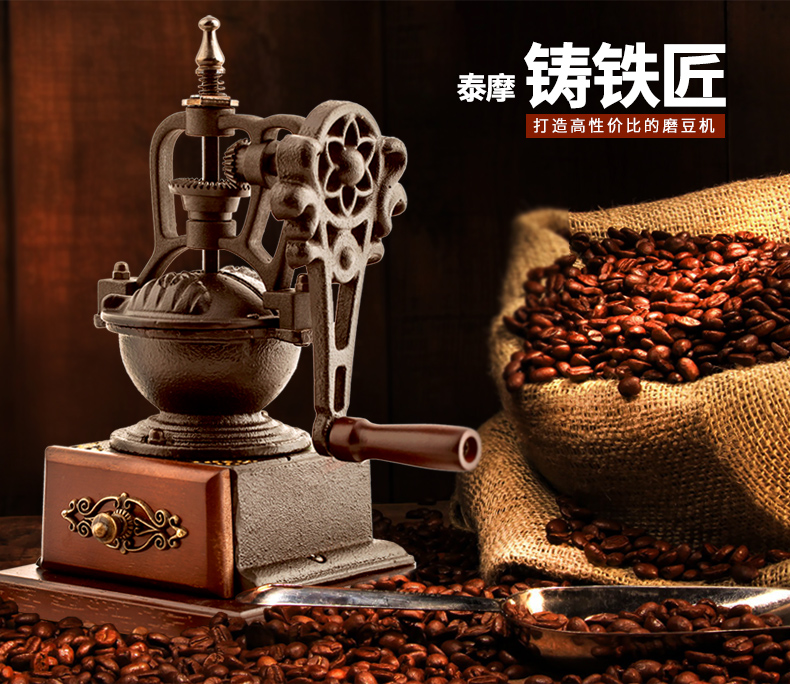
Coffee bean grinder introduction: TIMEMORE Timo blacksmith retro hand coffee grinder
Brand name: TIMEMORE/ product parameters: packaging volume: 0.2Brand: TIMEMORE/ Temo gross weight: 2.1item number: TGD04WD color classification: blacksmith + carving custom blacksmith (send brushes) usage: manual
2015-12-17 Coffee beans bean grinder introduction TIMEMORE Timo blacksmith retro hand
Arabica and Robusta hybrid coffee bean varieties
1. Timo: A hybrid of Arabica and Ba and Robasta found in East Timor. 2. Catimor: Major variety of commercial bean, East Timor, colonized by Portugal for 400 years. Brazilian bourbon variety Catimor was transplanted to East Timor by Portuguese in 1959. Mixed with Timo, coffee from 1970 to 1990
2016-04-22 Rabbi Robbs Booth Hybrid Coffee Bean Variety Bath
Members of the Arabica and Robusta Arabica families of the two families of coffee beans
Two family hybrids, the new world "Mundo novo" bourbon has had an affair with the iron pickup! There are illegitimate children in two families! It was first found in Brazil with high yield and strong disease resistance. The only drawback is that it can be more than 3 meters high and is not easy to harvest. Because of the good quality of cup test, it is regarded as the new hope of Brazilian coffee industry, so it is named New World. Kaduai "Catuai" card
2016-03-18 Coffee beans big families hybrids rabbi Robbs Booth family members everybody.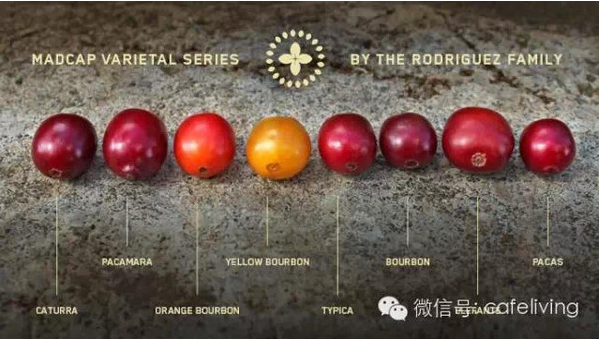
Arrangement of hematemesis among members of Arabica coffee bean family
It has always been a complicated matter to classify coffee genetically. As far as the coffee varieties on the market are concerned, the most superficial classification is of course divided into Arabica and Robusta (hereinafter referred to as radish beans). The difference between Arabica and radish beans can be understood by following Wechat cafeliving's reply to fish balls, and the editor will not repeat them here. Today, let's mainly talk about
2015-05-22 Rabbi coffee beans family members relationships hematemesis sorting
Boutique Coffee beans: an Analysis of the relationship among members of the Arabica Coffee Bean Family
It has always been a complicated matter to classify coffee genetically. As far as the coffee varieties on the market are concerned, the most superficial classification is of course divided into Arabica and Robusta (hereinafter referred to as radish beans). The difference between Arabica and radish beans can be understood by following Wechat cafeliving's reply to fish balls, and the editor will not repeat them here. Today, let's mainly talk about
2015-12-02 Boutique coffee beans rabbi family members relationships carding
Introduction to the flavor description and grindability characteristics of Katim coffee beans in Yunnan Province, China
China Yunnan Coffee Catimor: in 1959, the Portuguese mixed Brazilian Kaddura and Timo to breed Katim / Katimo with strong disease resistance, which is now an important variety of commercial beans. Yunnan small grain coffee is a 3-year-old 4-year-old fruiting tree. Coffee is a short-day plant. Coffee has the characteristics of multiple flowering and concentrated florescence. Small seed coffee in the cloud
2016-10-20 China South Carolina Tim coffee beans flavor description grinding characteristics variety taste
Boutique coffee beans: coffee genealogy (variety knowledge popularization post) basic knowledge of coffee introduction
From Ethiopia to East Africa, coffee varieties have experienced about 1300 years of development and evolution. Experienced Yemen, India, Java, the Netherlands, Paris, Bourbon, Martinique Island, Haiti, Mexico, Brazil and other Central and South American countries. Coffee is an evergreen shrub of the genus Rubiaceae of Gentianaceae. The general classification of coffee is: Arabica iron.
2015-12-02 Boutique coffee beans coffee genealogy variety knowledge popularization introduction basic knowledge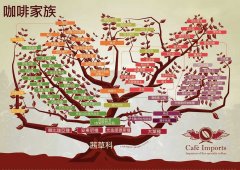
Coffee Bean Variety Daquan | how important Arabica Coffee beans are
It has always been a complicated matter to classify coffee genetically. As far as the coffee varieties on the market are concerned, the most superficial classification is of course divided into Arabica and Robusta (hereinafter referred to as radish beans). About the difference between Arabica and turnip beans, follow Wechat cafeliving reply
2021-10-13 Rabbi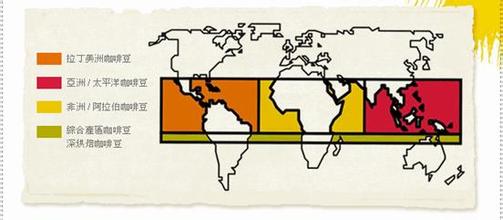
Coffee Bean Varieties Arabica Bourbon Iron Pickup Arabica & Robasta Kenya
The well-known Arabica species (the main force of fine coffee) and Robasta species (slightly rough flavor, more suitable for commercial use) were first identified by Swedish botanist Linnaeus in 1735, more than a hundred years earlier than Robasta species. There are 2,000 to 3,000 varieties of Arabica, all of which are derived from Ethiopia's oldest iron pickup (Typica).
2016-03-15 Coffee Bean Variety Rabbi Bourbon Pickup Robas Bath Kenya Commons Week
Timothy Hill Best Country of Origin for Coffee Ethiopia Ken
Specialty coffee is also known as specialty coffee. It refers to coffee made from green beans with excellent taste characteristics grown in a few extremely ideal geographical environments. Depending on the particular soil and climatic conditions in which they are grown, they have outstanding flavors. This type of coffee is carefully selected and graded for its hard texture, rich taste and wind.
2016-06-23 Timo Hill Timothy Best Coffee Origin Ranking
Coffee beans Narinona of Colombia exquisite Tamina
Coffee industry leader Fisher cup evaluation: Medium body and acidity, fine and soft excellent aroma (medium alcohol thickness and acidity, smooth taste, elegant flavor) Narino province is located in the southwest of Colombia, west of the Pacific Ocean, south of the border with neighboring Ecuador (Ecuador), the Andes Mountains run through the province, where there are magnificent mountains
2014-09-09 Coffee beans Colombia Narinona exquisite Tamina
Colombian Coffee producers Association
The Colombian Coffee producers Association (Federacion Nacional de Cafeteos de Clolmbia), known as [FNC] for short in the industry, introduced the two main varieties of Colombian coffee, Kaddura and Colombia.
2014-08-18 Coffee knowledge coffee association Colombia coffee producer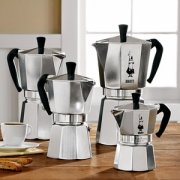
The coffee pot for making coffee about the Biloti mocha pot
The mocha pot, also known as the steaming coffee pot, is a method that uses the pressure generated by boiling water to help make coffee. It originated in Italy and was invented by Alfonso Biloti (Alfanso Bialetti). In 1919, Alfonso Biloti saw the idea of a structure that could be used to make coffee in a washing machine used by local women. In the middle of the washing machine at that time
2015-01-05 Brewing coffee coffee pot about Bille Timo card pot mocha pot also known as steaming
Cadillac Cafe luxury car brand to find another way out
Luxury car brand Cadillac has done a lot of work in the fashion and art world over the past year. Now it offers something as addictive as fashion caffeine. The latest idea is called Cadillac Cafe, a coffee house or retail store with art galleries and custom fragrances. This 12000-square-foot cafe is located in Kedila.
2016-06-06 cadillac cafe luxury car brand alternative way out past year luxury
Coffee Encyclopedia Colombian Coffee
The Colombian Coffee producers Association (Federacion Nacional de Cafeteos de Clolmbia), known as [FNC] for short in the industry, introduced the two main varieties of Colombian coffee, Kaddura and Colombia. Kaddura, which was introduced from Brazil in the 1960s, now accounts for 45-50% of the country's output and has replaced the earliest Tibica. A new variety with the same name as Colombia [Colombia]
2014-09-19 Coffee encyclopedia Colombian coffee
Cadillac Cafe luxury car brand find another way out
Luxury car brand Cadillac has done a lot of work in the fashion and art world over the past year. Now it offers caffeine, which is as addictive as fashion. The latest idea is called Cadillac Cafe, a coffee shop or retail store with art galleries and custom perfumes. This coffee shop with an area of about 12000 square feet is located in Cadilla.
2016-06-06 Cadillac cafes luxury cars brands another way out in the past a year luxury
Colombia Coffee Boutique Coffee Basics
Colombia Coffee Producers Association (Federación Nacional de Cafeteos de Clolambia), or industry abbreviation [FNC] staff introduced the two main varieties of Colombian coffee, Cadura and Colombia. Kadura was introduced from Brazil in the 1960s and now accounts for 45-50% of Colombia's production, replacing the earliest Tibica. A new breed of the same name as Colombia [Colombi
2015-04-14 Colombia Coffee Fine Basic Common sense Producer Association
Colombian Coffee Coffee basic knowledge
The Colombian Coffee producers Association (Federacion Nacional de Cafeteos de Clolmbia), known as [FNC] for short in the industry, introduced the two main varieties of Colombian coffee, Kaddura and Colombia. Kaddura, which was introduced from Brazil in the 1960s, now accounts for 45-50% of the country's output and has replaced the earliest Tibica. A new variety with the same name as Colombia [Colombia]
2015-06-05 Columbia Coffee Basics Common sense producers Associations
Boutique coffee beans introduce Colombian coffee
The Colombian Coffee producers Association (Federacion Nacional de Cafeteos de Clolmbia), known as [FNC] for short in the industry, introduced the two main varieties of Colombian coffee, Kaddura and Colombia. Kaddura, which was introduced from Brazil in the 1960s, now accounts for 45-50% of the country's output and has replaced the earliest Tibica. A new variety with the same name as Colombia [Colombia]
2014-11-13 Coffee knowledge boutique coffee beans Colombian coffee
What is the uniqueness of Colombian coffee? Colombian coffee and its
The Colombian Coffee producers Association (Federacion Nacional de Cafeteos de Clolmbia), known as [FNC] for short in the industry, introduced the two main varieties of Colombian coffee, Kaddura and Colombia. Kaddura, which was introduced from Brazil in the 1960s, now accounts for 45-50% of the country's output and has replaced the earliest Tibica. A new breed with the same name as Colombia [Columby]
2016-03-16 Colombia coffee unique what compared with its production