“Importer” search results (292)
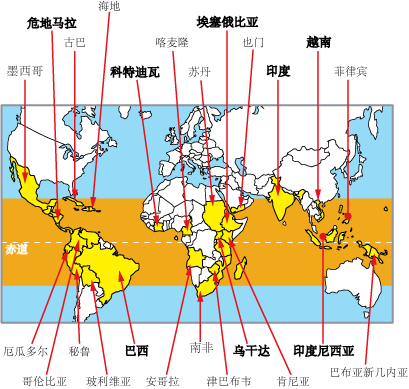
Suriname is the first country in South America to grow coffee. Norway is a major importer of coffee products.
Suriname Suriname (Surinam) is the first country in South America to grow coffee, and Norway was once a major importer of coffee products. However, the country's output is very small today, and it is mentioned here only for historical reasons. The Dutch, who settled in Suriname in 1667, introduced coffee trees from Java in the early 18th century. The first coffee trees were made by the mayor of Asmstedan.
2016-04-11 Suriname South America the first growing coffee country Norway products major into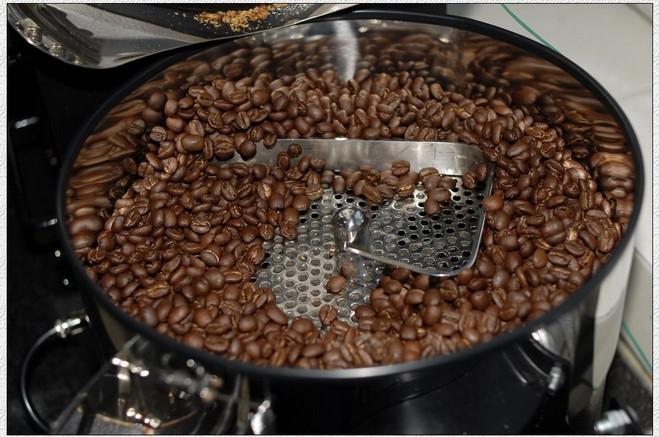
Suriname was the first country in South America to grow coffee. Norway was once the country's main importer of coffee products
Suriname was the first country in South America to grow coffee, and Norway was once a major importer of coffee products from Suriname. Today, however, the country produces very little and is mentioned here only for historical reasons. The Dutch, who settled Suriname in 1667, introduced coffee trees from Java in the early 18th century. The first coffee trees were donated by the mayor of Ashtangi.
2016-04-07 South America first cultivation coffee country Suriname Norway was production
Vietnam is the largest importer of coffee from China.
Vietnam and Malaysia have been the main sources of coffee imported from China since 2002, the Viet Cong Electronic News reported on September 25. Vietnamese coffee accounts for 90% of China's total coffee imports from ASEAN countries. According to Vietnamese customs statistics, China imported 137000 tons of coffee between 2007 and 2011. Of this total, 103900 tons were imported from Vietnam, with the import value reaching 195 million US dollars, accounting for China's total.
2016-04-13 Vietnam China Coffee Import Big country Viet Cong Electronic News September 25
China becomes the sixth largest importer of American wine
The United States is the fourth largest wine producer in the world, after France, Italy and Spain. All 50 states produce wine, while California produces 89% of the country's wine. According to United States law of April 2007, there are now 187 designated grape growing areas in the United States. Recently, Vinepair, a well-known wine blog, counted the number of American wines produced in 2013.
2014-06-05 Coffee machine coffee powder coffee beans
Coffee beans and roasting grades about Blue Mountain Coffee
The law stipulates that only beans produced in the Blue Mountains can be called Blue Mountain Coffee. High-quality Blue Mountain Coffee is divided into three grades: No. 1 (more than 17cm 18 items), No. 2 (16 items) and No. 3 (15 items), with 17 items equivalent to 17x64 inches; they all taste the same (all confirmed by the cup test of professionals approved by the Jamaican government), but differ in size.
2014-09-04 Coffee knowledge coffee bean roasting blue mountain coffee grading blue mountain coffee
Coffee Bean rating Standard for Blue Mountain Coffee
According to the law, only beans produced in the Blue Mountain area can be called Blue Mountain Coffee. High-quality Blue Mountain Coffee is divided into three grades: No. 1 (more than 17cm 18 mesh), No. 2 (16 mesh) and No. 3 (15 mesh), with 17 mesh equivalent to 17x64 inches; they all taste the same (all confirmed by dental sales plus government-approved professional cups), but of different sizes, and these three grades of raw beans are different.
2014-12-28 Coffee beans grades standards about Blue Mountains coffee teeth laws regulations only
General knowledge about Blue Mountain Coffee
The Tooth Plus Law stipulates that only beans produced in mountainous areas can be called Luoshan Coffee. High-level Gaoshan Coffee can be divided into three grades: No. 1 (over 17,18 mesh), No. 2 (16 mesh) and No. 3 (15 mesh), with 17 eyes equivalent to 17x64 inches; it tastes the same (all must be confirmed by the professional cup of dentistry and government staff), but the sizes are different, these three levels
2015-04-16 About the Blue Mountains coffee common sense teeth laws regulations only mountains districts
Boutique Coffee discusses the grades of Blue Mountain Coffee
According to the law, only beans produced in the Blue Mountain area can be called Blue Mountain Coffee. High-quality Blue Mountain Coffee is divided into three grades: No. 1 (more than 17cm 18 mesh), No. 2 (16 mesh) and No. 3 (15 mesh), with 17 mesh equivalent to 17x64 inches; their taste (all confirmed by dental sales plus government-approved professional cups) are all the same, but of different sizes.
2014-11-12 Coffee knowledge boutique coffee Blue Mountain Coffee Grade
On the level of Blue Mountain Coffee
According to the law, only beans produced in the Blue Mountain area can be called Blue Mountain Coffee. High-quality Blue Mountain Coffee is divided into three grades: No. 1 (more than 17cm 18 mesh), No. 2 (16 mesh) and No. 3 (15 mesh), with 17 mesh equivalent to 17x64 inches; their taste (all confirmed by dental sales plus government-approved professional cups) are all the same, but of different sizes.
2014-08-21 Coffee knowledge Blue Mountain Coffee Coffee Grade
Boutique Coffee Common sense about the Grade of Blue Mountain Coffee
According to the law, only beans produced in the Blue Mountain area can be called Blue Mountain Coffee. High-quality Blue Mountain Coffee is divided into three grades: No. 1 (more than 17cm 18 mesh), No. 2 (16 mesh) and No. 3 (15 mesh), with 17 mesh equivalent to 17x64 inches; their taste (all confirmed by dental sales plus government-approved professional cups) are all the same, but of different sizes.
2014-11-20 Coffee knowledge boutique coffee Blue Mountain Coffee Coffee Grade
How are the coffee beans graded? About the grade of Blue Mountain Coffee
According to the law, only beans produced in the Blue Mountain area can be called Blue Mountain Coffee. High-quality Blue Mountain Coffee is divided into three grades: No. 1 (more than 17cm 18 mesh), No. 2 (16 mesh) and No. 3 (15 mesh), with 17 mesh equivalent to 17x64 inches; their taste (all confirmed by dental sales plus government-approved professional cups) are all the same, but the sizes are different.
2015-10-14 Coffee beans how grading about Blue Mountains coffee grades teeth selling laws regulations
Only coffee beans produced in the Blue Mountain area can be called Blue Mountain Coffee.
According to the law, only beans produced in the Blue Mountain area can be called Blue Mountain Coffee. High-quality Blue Mountain Coffee is divided into three grades: No. 1 (more than 17cm 18 mesh), No. 2 (16 mesh) and No. 3 (15 mesh), with 17 mesh equivalent to 17x64 inches; their taste (all confirmed by dental sales plus government-approved professional cups) are all the same, but of different sizes.
2015-09-15 Only the Blue Mountains regions produce coffee beans coffee teeth sell laws regulations
Introduction on the grade of blue mountain coffee what are the characteristics of authentic blue mountain coffee beans
According to the law, only beans produced in the Blue Mountain area can be called Blue Mountain Coffee. High-quality Blue Mountain Coffee is divided into three grades: No. 1 (more than 17cm 18 mesh), No. 2 (16 mesh) and No. 3 (15 mesh), with a size of 17 mesh equivalent to 17x64 inches; they taste (all through dental sales and recognized by the government.
2022-10-23 Blue Mountain Coffee Grade Blue Mountain Coffee beans Fine Coffee beans
Understand the classification characteristics of Blue Mountain Coffee what is the grade of Jamaica Blue Mountain No. 1 coffee bean
According to the law, only beans produced in the Blue Mountain area can be called Blue Mountain Coffee. High-quality Blue Mountain Coffee is divided into three grades: No. 1 (more than 17cm 18 mesh), No. 2 (16 mesh) and No. 3 (15 mesh), with a size of 17 mesh equivalent to 17x64 inches; they taste (all through dental sales and recognized by the government.
2022-10-07 Blue mountain coffee blue mountain coffee grade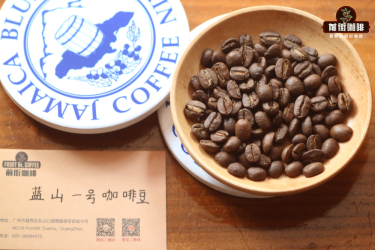
On the classification standard of Jamaican boutique Blue Mountain Coffee how many kinds of Blue Mountain Coffee are there
According to the law, only beans produced in the Blue Mountain area can be called Blue Mountain Coffee. High-quality Blue Mountain Coffee is divided into three grades: No. 1 (more than 17cm 18 mesh), No. 2 (16 mesh) and No. 3 (15 mesh), with a size of 17 mesh equivalent to 17x64 inches; they taste (all through dental sales and recognized by the government.
2022-10-28 Coffee knowledge boutique coffee Blue Mountain Coffee Coffee Grade
Ethiopian coffee beans
General requirements: The moisture content of sun-dried coffee beans should not exceed 11.5% by weight, and at least 85% of the beans remain above 14 mesh after sifting. (This is why Egyptian beans don't look good: 14 + means 14, 15, 16, 17, 18, etc. mixed together, beans must be uneven) Parchment Coffee Grades: 1, 2, 3, 4, 5, 6, 7, 8, 9
2016-06-08 Ethiopia coffee beans grade presentation general requirements sun exposure water
From Coffee Beans (23)--America--Suriname
Suriname was the first country in South America to grow coffee, and Norway was a major importer of coffee products from that country. Today, however, the country produces very little and is mentioned here only for historical reasons. The Dutch, who settled Suriname in 1667, introduced coffee trees from Java in the early 18th century. The first coffee trees were made by Aster.
2014-06-12 Coffee Bean America Suriname
Starting with Coffee beans (46)-Asia-Philippines
There is a bright future. Coffee was introduced into the Philippines (Philippines) in the early 19 th century, and by 1880 the country had become the world's fourth largest coffee exporter. However, due to the spread of coffee rust, the country became a coffee importer soon after 1880. However, the coffee growing industry has gradually recovered. Today, after slow and steady development, the country's coffee industry is growing.
2014-06-13 Coffee beans Asia Philippines
Coffee producing area Suriname
Suriname (Surinam) was the first country in South America to grow coffee, and Norway was once a major importer of coffee products. However, the country's output is very small today, and it is mentioned here only for historical reasons.
2014-06-19 Coffee knowledge coffee origin Suriname coffee
Philippine Coffee prices rise
Recently, the head of the Philippine Coffee Commission said that due to the expected decline in production and increased import demand, the price of coffee in the Philippines is likely to rise. The price of locally produced instant coffee is expected to increase by 5% and that of non-instant coffee by 15%. The annual output of coffee in the Philippines reached 30, 000 tons at its peak, but the annual demand is 100000 tons. It is a traditional coffee importer and is expected to produce 26000 coffee this year.
2014-07-25 Coffee news Philippine coffee coffee prices rise