“Composition” search results (1456)
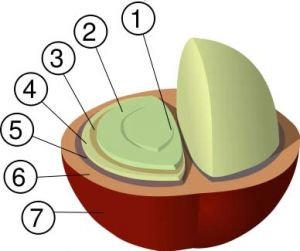
From the composition and composition of coffee beans to talk about the acidity of coffee to understand the structural growth substances of coffee beans
Caffeic acid [Chinese name] caffeic acid [English name] Caffeic acid [composition classification] Organic acids and phenolic coffee acidity may be the most incorrect and most misunderstood term used to evaluate the taste of coffee. This is a quantitative term that refers to the relative strength of the acidic components in the liquid being evaluated. Although the terms of coffee are sour and descriptive
2016-01-07 Coffee beans ingredients composition coffee cognition structure growth substances Chinese
Analysis of coffee composition where does the bitterness in coffee come from
A cup of coffee is a complex drink made up of more than 30 chemicals that determine the taste, aroma and acidity of the coffee. Since the 1930s, scientists have isolated and identified a variety of chemicals related to the sensory composition of coffee, but no one can figure out what makes coffee so bitter. In order to solve this mystery, science has to cook.
2014-09-27 Coffee knowledge coffee composition coffee bitterness
The composition of coffee beans
The ingredient of coffee beans Coffee is a complex mixture that is beneficial to human health. The chemical composition of coffee is determined by the interaction of agricultural, roasting, blending and manufacturing factors. The main ingredients of coffee have been known to humans for half a century. According to the content, the water-soluble components of coffee include: polyphenols (pulp) 8%, polysaccharides 6%, chlorogenic acid 4%, minerals 3%, water 2%,
2014-08-26 Coffee bean ingredients coffee encyclopedia
Analysis of the composition of coffee beans in Indonesia; Lin Dong Mantini
The composition characteristics of coffee affect coffee flavor caffeine 1. Plants of the genus Flavin and theobromine, the same as theophylline. two。 Stimulate cerebral cortex and vasodilation. 3. Promote kidney function and diuresis. 4. Stimulate stomach peristalsis, stomach disease should not drink too much. Bitter tannin 1. Yellowish powder. two。 Pyrosylic acid is produced when boiled. Sour and sweet fat 1. Coffee contains
2016-06-07 Coffee beans ingredients Analysis Indonesia amp #160 Lindong Mante Coffee
Coffee composition analysis, let you know more about coffee!
"Coffee composition analysis" 1."Caffeine": strong bitter taste. Stimulates the central nervous system, heart and respiratory system. Appropriate amount can reduce muscle fatigue, promote digestive juice secretion, promote kidney function, diuresis, discharge excess sodium ions in the body. A normal person's scientific daily coffee intake will not lead to excessive caffeine intake affecting normal life phenomenon! 2."Tannin acid": after boiling
2014-09-23 Coffee knowledge Coffee ingredients Understanding coffee
The chemical composition of coffee
Coffee is a complex mixture of potential "neutriceuticals". The chemical composition of coffee is determined by a number of factors: agriculture, roasting, blending, and brewing. The main elements of coffee have been known for more than half a century.
2014-08-04 Coffee knowledge coffee chemical composition coffee encyclopedia
Common sense of average Chemical composition of Coffee beans
The average chemical composition of raw coffee beans is as follows: water 12%, nitrogen 12%, fat 12%, sugar and dextrin (dextrine) 10%, other non-nitrogen substances 18%, dust 4%, tannin 6.7%, caffeine 1.2%, coffee essential oil 0.1%. Of course, these data are not fixed, and the quantity of some of these ingredients varies greatly, which is why each kind of coffee is so different.
2015-06-06 Coffee beans averaging study group common sense
The average chemical composition of raw coffee beans is as follows
The average chemical composition of raw coffee beans is as follows: water 12%, nitrogen 12%, fat 12%, sugar and dextrin (dextrine) 10%, other non-nitrogen substances 18%, dust 4%, tannin 6.7%, caffeine 1.2%, coffee essential oil 0.1%. Of course, these data are not fixed, and the quantity of some of these ingredients varies greatly, which is why each kind of coffee is so different.
2015-05-29 Original coffee beans average study group as follows
The average chemical composition of raw coffee beans is as follows
The average chemical composition of raw coffee beans is as follows: water 12%, nitrogen 12%, fat 12%, sugar and dextrin (dextrine) 10%, other non-nitrogen substances 18%, dust 4%, tannin 6.7%, caffeine 1.2%, coffee essential oil 0.1%. Of course, these data are not fixed, and the quantity of some of these ingredients varies greatly, which is why each kind of coffee is so different.
2015-09-21 Original coffee beans average study group as follows
The composition of coffee beans
Sugar: without sugar, you will not only feel the bitterness of caffeine and the sour taste of tannin, but also feel sweet, which is caused by the sugar contained in the coffee itself. After baking, most of the sugar will be converted to caramel, bringing a unique brown to the coffee. Minerals: lime, iron, sulfur, sodium carbonate, phosphorus, chlorine, silicon, etc., because the proportion rarely affects coffee.
2014-07-02 Coffee bean ingredients understand coffee beans
High-quality coffee common sense coffee nutrition composition table
Coffee mainly contains: 1. Caffeine; 2. Tannic acid; 3. Fat; 4. Protein; 5. Sugar; 6. Fiber; 7. Minerals. Every 100 grams of coffee liquid contains 99.5 grams of water, 0.2 grams of protein, 0.1 grams of fat, 0.1 grams of ash, trace sugars, 3 mg of calcium, 4 mg of phosphorus, 2 mg of sodium, 0.01 mg of vitamin B2 and 0.3 mg of nicotinic acid. Put 10 grams of coffee
2014-10-11 Coffee knowledge boutique coffee knowledge coffee nutrition composition table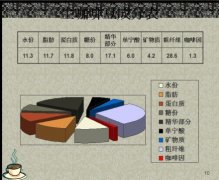
High-quality coffee basic knowledge coffee raw bean composition table
Do you know the ingredients of raw coffee beans? A list of ingredients that will teach you to read the ingredients of coffee. The content of water, fat and protein is still quite high.
2014-11-24 Coffee knowledge coffee common sense coffee raw beans composition table
Chemical composition of milk in fine coffee
Milk is made up of protein, fat and sugar. Protein is the medium of foaming, and when the air is pumped into the milk, the protein forms a thin film around the air, wrapping the air to form bubbles. Fat inhibits and destroys the foaming process, although whole milk produces softer foam than skim milk and unfortified milk
2014-11-24 Knowledge of coffee general knowledge of fine coffee chemical composition of milk
Coffee Nutrition composition Table the benefits of drinking Coffee
Coffee nutrition composition table contains 2.2 grams of moisture, 12.6 grams of protein, 16 grams of fat, 46.7 grams of sugar, 9 grams of cellulose, 4.2 grams of ash, 120 milligrams of calcium, 170 milligrams of phosphorus, 42 milligrams of iron, 3 milligrams of sodium, 20.12 grams of vitamin B20.12 grams, 3.5 milligrams of nicotinic acid, 1.3 grams of caffeine and 8 grams of tannins. Every 100 grams of coffee extract contains 99.5 grams of water, 0.2 grams of protein,
2016-05-31 Coffee nurturance sub-meter benefits coffee 100 grams coffee beans
Size, uniformity and composition quality of raw coffee beans Hawaiian Kona coffee beans
The name Kona Extra Fancy | Hawaiian Kona Extra Fancy Extra Fancy refers to the quality standard grade set by the Kona Association of Hawaii. The evaluation standard of this grade is the size of raw coffee beans.
2016-05-04 Coffee raw beans size uniformity composition quality Hawaii Cona coffee beans
Coffee training knowledge about the chemical composition of coffee
Caffeine: caffeine is the most eye-catching of all the ingredients in coffee. It belongs to a kind of phytoxanthin (animal muscle component). It has the same properties as theobromine contained in cocoa, green tea contains the same theophylline, and the percentage of reduction after baking is very small. Caffeine has a very wide range of effects. will affect the human brain, heart, blood vessels, gastrointestinal, muscle and kidney and other parts, the right amount of coffee
2014-10-08 Coffee knowledge coffee composition coffee chemical composition
Do you know the composition of coffee?
Caffeine: it has a particularly strong bitter taste and stimulates the central nervous system, heart and respiratory system. Appropriate amount of caffeine can also reduce muscle fatigue and promote digestive juice secretion. Because it promotes kidney function, it is diuretic and helps the body to expel excess sodium ions from the body. But eating too much can lead to caffeine poisoning. Tannic acid: boiled tannic acid will be decomposed into pyrouric acid
2014-08-13 Coffee composition coffee encyclopedia coffee knowledge
The composition of coffee beans the bitterness and mellowness of coffee
Sugar: without sugar, you will not only feel the bitterness of caffeine and the sour taste of tannin, but also feel sweet, which is caused by the sugar contained in the coffee itself. After baking, most of the sugar will be converted to caramel, bringing a unique brown to the coffee. Minerals: lime, iron, sulfur, sodium carbonate, phosphorus, chlorine, silicon, etc., because the proportion rarely affects coffee.
2015-09-22 Coffee beans ingredients coffee bitter sour mellow sugar added sugar in addition to will
The composition and aroma of coffee beans is the life of coffee quality.
Sugar: without sugar, you will not only feel the bitterness of caffeine and the sour taste of tannin, but also feel sweet, which is caused by the sugar contained in the coffee itself. After baking, most of the sugar will be converted to caramel, bringing a unique brown to the coffee. Minerals: lime, iron, sulfur, sodium carbonate, phosphorus, chlorine, silicon, etc., because the proportion rarely affects coffee.
2015-06-04 Coffee beans ingredients aroma coffee quality life sugar added sugar except
The chemical composition of coffee
Caffeine is the most eye-catching of all the ingredients of coffee. It belongs to plant xanthamins (animal muscle components) and has the same properties as theobromine in cocoa and theophylline in green tea.
2014-05-16 Coffee knowledge coffee chemical composition