“Bark” search results (153)

Coffee making Fancy coffee Cinnamon coffee
Cinnamon coffee introduction: bark fragrance, also known as cinnamon, can be used as spices, taste and cinnamon produced from Ceylon cinnamon similar, but more spicy, less delicious cinnamon, and thicker cinnamon. Cinnamon bark contains 12% volatile oil, the main component is cinnamaldehyde (C9H8O). Cinnamon bark is used as a condiment for dishes, especially liqueur and chocolate. Southern Europeans prefer cinnamon to cinnamon, and in North America meat.
2014-09-11 Coffee Making Fancy Coffee Cinnamon Coffee
Control of Coffee Bark Moth, a Disease and insect of Garden plants
The adult is gray-white with a length of 15-28mm and a wingspan of 25-55mm. Male moth antennae are double pectinate in the middle and lower part, and the ends are linear. There are 3 pairs of blue spots on the back of the chest. The abdomen is white with black stripes. The front wing is white, translucent, covered with bluish blue spots of different sizes, and there are 8 bluish blue spots on the outer edge of the hindwing. Female moths are generally larger than male moths, with filamentous antennae. The eggs are round and yellowish. End
2014-06-11 Plants coffee control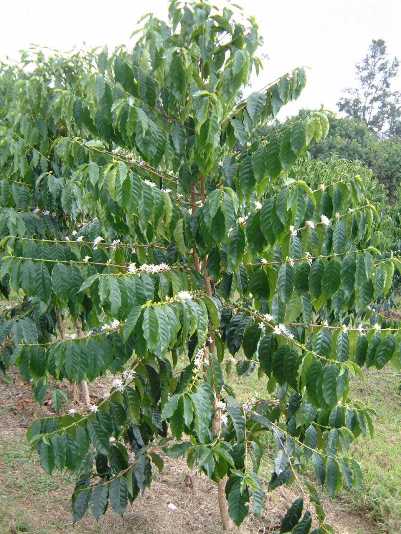
Coffee common sense scientists find fatal weakness of coffee pests
Harmful coffee pests break down caffeine through intestinal bacteria, according to a new study published on July 14 in the journal Nature Communications. Without these intestinal flora, caffeine is toxic to coffee bark beetles, and this newly discovered intestinal flora may provide new strategies to help control the pest. Coffee bark beetle is a worldwide coffee pest, causing
2015-07-15 Coffee common sense scientists discovery pests lethality weakness July 14 since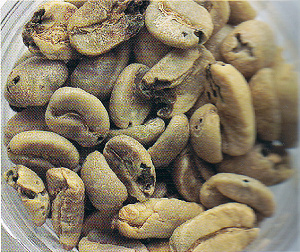
Harmful coffee beetles were detected in coffee beans imported from Laos
Recently, during the inspection of a batch of 3.06 tons of raw coffee beans from Laos, staff of the Animal and Plant Department of Xiamen Haicang Inspection and Quarantine Bureau detected quarantine pest coffee fruits for the first time in Fujian Province. Coffee bark beetle has been listed in the list of quarantine pests prohibited from entry in China. In order to prevent the spread of coffee fruit beetle in China, Haicang Bureau has responded to the above-mentioned regulations in accordance with the relevant regulations.
2016-08-17 Laos imported coffee beans detected harmful coffee small fruit recently a batch from
Introducing trees into coffee plantations can increase the yield of coffee beans.
Can you imagine a tree mixed with your coffee? This may not sound like a good idea, but a new study shows that mixed growth of trees and coffee shrubs can increase the number of birds and increase coffee production. One of the main risks for bean growers is the coffee bark beetle, an insect that drills into the coffee beans and lays eggs into them. Recently, in Jamaica
2014-06-10 Coffee cultivation coffee beans coffee production
Introducing trees into coffee plantations can increase the yield of coffee beans.
Can you imagine a tree mixed with your coffee? This may not sound like a good idea, but a new study shows that mixed growth of trees and coffee shrubs can increase the number of birds and increase coffee production. One of the main risks for bean growers is the coffee bark beetle, an insect that drills into the coffee beans and lays eggs into them. Recently, in Jamaica
2015-04-07 Coffee plantation introduction tree can increase coffee beans yield whether like one
Increasing tree planting in coffee plantations can increase the yield of coffee beans
Can you imagine planting some trees in your coffee garden, which may sound surprising, but studies have shown that planting a certain number of trees in your coffee garden can increase the number of birds and increase coffee production. Many coffee plantation owners know that one of the main risks of coffee is the coffee bark beetle, an insect that drills into the coffee beans and puts the eggs
2015-10-22 Coffee plantations increase trees planting can coffee beans yield
Basic knowledge of coffee how to make fancy coffee
The so-called fancy coffee refers to coffee with condiments or other drinks. Here are several common ways to make fancy coffee: 1. Cappuccino coffee CAFE CAPPUCCINO raw materials: coffee 120ml, foam cream 30ml, cinnamon powder, willow bark, cinnamon strips production: astringent coffee, floating foam cream, sprinkle cinnamon powder on the cup, put a little willow bark in milk
2014-09-19 Coffee knowledge coffee basics fancy coffee
Introducing trees in coffee plantations can boost yields
Can you imagine a tree mixed with your coffee? It may sound like a bad idea, but a new study shows that growing trees mixed with coffee bushes increases bird populations and coffee production.
2014-07-09 Coffee News Coffee Growing Coffee Production Coffee Encyclopedia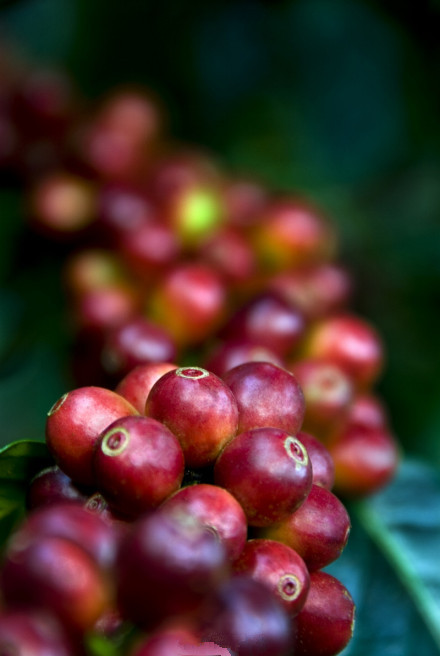
Scientists find Achilles' heel of coffee fruit beetle
A new study published in Nature Communications on July 14 shows that coffee fruit beetles, a harmful coffee pest, break down caffeine through intestinal flora, according to a new study published in Nature Communications on July 14. Without these intestinal flora, caffeine is toxic to coffee bark beetles, and this newly discovered intestinal flora may provide new strategies to help control the pest. Coffee fruit
2015-07-21 Scientists found that coffee small fruit fatal weakness the world agrochemical Chinese website newspaper
Comparison of cold tolerance between coffee and macadamia nuts
A leading agronomist warned me that coffee shade trees should be promoted with caution. He found that macadamia nuts have bark cracking after frost. In response to this problem, I deliberately observed the behavior of macadamia nuts and coffee in the process of research in the countryside.
2014-07-01 Coffee knowledge coffee encyclopedia
Produced in Hainan: Liberika coffee beans
Liberica coffee beans: large shrubs or small trees, 6-15 m tall; dark brown bark; branches spreading, hard and straight.
2014-07-03 Hainan coffee beans Liberica coffee beans boutique coffee beans
Liberica coffee beans
Liberica coffee beans: large shrubs or small trees, 6-15 m tall; dark brown bark; branches spreading, hard and straight. Leaves opposite, leathery, elliptic or Obovate-elliptic, 15-30 cm long, tip mucronate, base broadly cuneate, margin entire, rarely microwave, often with small pores in lower vein axils; petiole 8-20 mm long; stipules broadly triangular, 3-4 mm long, tip obtuse, rarely convex
2014-08-21 Coffee knowledge Liberica coffee beans Hainan coffee beans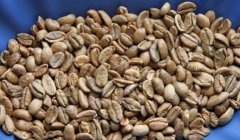
Liberica coffee beans produced in Hainan
Liberica coffee beans: large shrubs or small trees, 6-15 m tall; dark brown bark; branches spreading, hard and straight. Leaves opposite, leathery, elliptic or Obovate-elliptic, 15-30 cm long, tip mucronate, base broadly cuneate, margin entire, rarely microwave, often with small pores in lower vein axils; petiole 8-20 mm long; stipules broadly triangular, 3-4 mm long, tip obtuse, rarely convex
2014-09-25 Hainan Librika coffee beans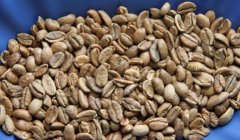
Chinese coffee Hainan Liberica coffee beans
Liberica coffee beans: large shrubs or small trees, 6-15 m tall; dark brown bark; branches spreading, hard and straight. Leaves opposite, leathery, elliptic or Obovate-elliptic, 15-30 cm long, tip mucronate, base broadly cuneate, margin entire, rarely microwave, often with small pores in lower vein axils; petiole 8-20 mm long; stipules broadly triangular, 3-4 mm long, tip obtuse, rarely convex
2014-11-20 Coffee knowledge Chinese coffee Hainan coffee Librika coffee beans
Introduction to Librika Coffee beans
Liberica coffee beans: large shrubs or small trees, 6-15 m tall; dark brown bark; branches spreading, hard and straight. Leaves opposite, leathery, elliptic or Obovate-elliptic, 15-30 cm long, tip mucronate, base broadly cuneate, margin entire, rarely microwave, often with small pores in lower vein axils; petiole 8-20 mm long; stipules broadly triangular, 3-4 mm long, tip obtuse, rarely convex
2015-04-16 Libby Rika coffee beans boutique introduction shrubs Joe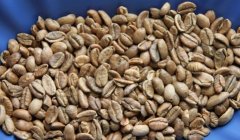
Produced in Hainan, China: Liberica coffee beans
Liberica coffee beans: large shrubs or small trees, 6-15 m tall; dark brown bark; branches spreading, hard and straight. Leaves opposite, leathery, elliptic or Obovate-elliptic, 15-30 cm long, tip mucronate, base broadly cuneate, margin entire, rarely microwave, often with small pores in lower vein axils; petiole 8-20 mm long; stipules broadly triangular, 3-4 mm long, tip obtuse, rarely convex
2015-06-01 China Hainan Libby Rika Coffee beans shrubs Joe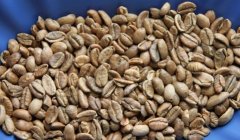
China Hainan Coffee Beans Librika Coffee Beans
Coffee beans: large shrubs or small trees, 6-15 m tall; bark dark brown; branches spreading, hard and straight. Leaves opposite, leathery, elliptic or obovate-elliptic, 15-30 cm long, apex mucronate, base broadly cuneate, margin entire, rarely wavy, often with pits in lower vein axils; petiole 8-20 mm long; stipules broadly triangular, 3-4 mm long, apex obtuse, rarely convex
2014-11-11 Coffee knowledge China Hainan coffee beans Liberica coffee beans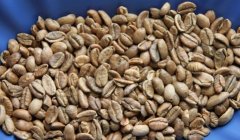
Liberica coffee beans made in Hainan, China
Liberica coffee beans: large shrubs or small trees, 6-15 m tall; dark brown bark; branches spreading, hard and straight. Leaves opposite, leathery, elliptic or Obovate-elliptic, 15-30 cm long, tip mucronate, base broadly cuneate, margin entire, rarely microwave, often with small pores in lower vein axils; petiole 8-20 mm long; stipules broadly triangular, 3-4 mm long, tip obtuse, rarely convex
2015-10-13 Libby Rika Coffee beans China Hainan Origin Irrigation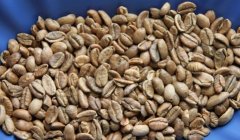
China Hainan boutique coffee beans Liberica coffee beans
Liberica coffee beans: large shrubs or small trees, 6-15 m tall; dark brown bark; branches spreading, hard and straight. Leaves opposite, leathery, elliptic or Obovate-elliptic, 15-30 cm long, tip mucronate, base broadly cuneate, margin entire, rarely microwave, often with small pores in lower vein axils; petiole 8-20 mm long; stipules broadly triangular, 3-4 mm long, tip obtuse, rarely convex
2014-12-28 China Hainan boutique coffee beans Libby Rika irrigation