“wilting” search results (27)
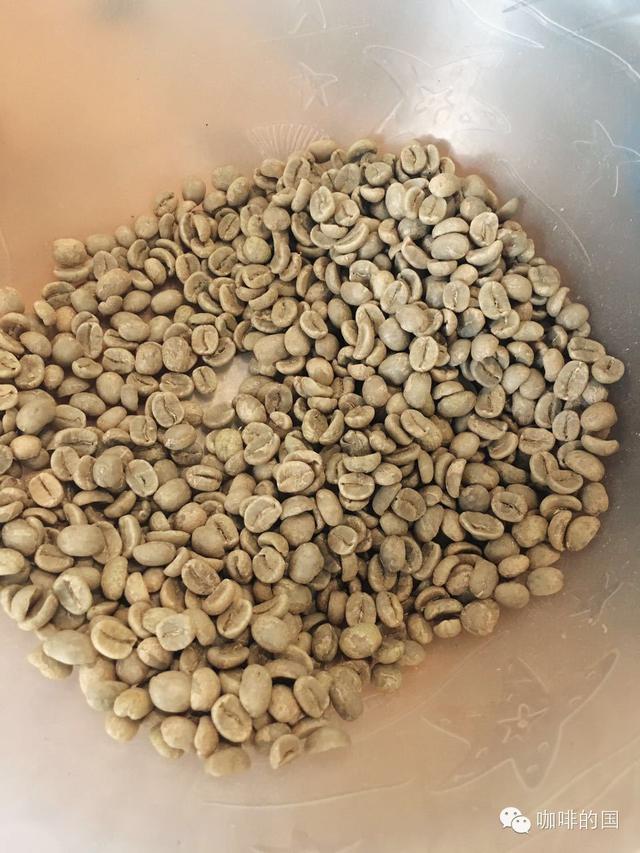
How to select defective beans? What are the categories of defective beans? Recognize all kinds of common defective beans
All black beans / partial black beans: raw beans that are supposed to appear light turquoise turn black. Immature beans are over-fermented in the process of refining, resulting in microbial infection, mixed taste, sour smell, mildew smell, drug taste and so on, which may contain biotoxins. Sour beans / local sour beans: raw beans have a yellow, yellowish-brown or reddish-brown appearance, usually accompanied by blackened germs, harvested or after harvest
2015-12-17 How to select flaw class which cognition various common black bean local
SCAA Fine Coffee grading defective Bean Standard
All black beans / part of black beans appearance features: black opaque raw bean cup sensory features: diversity: fermentation taste, sharp choking taste, turbidity, mildew taste, sharp sour taste, chemical irritation and other single or multiple odors mixture. Cause: excessive fermentation, leading to microbial invasion and infection. Appearance characteristics of whole sour beans / partial sour beans: raw beans have a yellow, yellowish brown or reddish brown appearance, usually
2015-11-10 SCAA boutique coffee grading defects standard black beans part appearance special
SCAA Fine Coffee Grading All kinds of defective beans
Whole black beans/partial black beans Appearance characteristics: black opaque raw beans Cup sensory characteristics: diversity: fermented flavor, sharp choking flavor, turbidity, mildew, sharp sour flavor, chemical stimulation flavor and other single or multiple odors mixed. Cause: Excessive fermentation, leading to microbial invasion infection. Whole/partial sour beans Appearance characteristics: Raw beans have a yellow, tan or reddish brown appearance, usually
2015-11-03 SCAA Fine Coffee Grading amp Various Flaw Black Bean Partial
Control of Diseases and pests in Coffee
(1) Pest control 1. Coffee tiger longicorn beetles are distributed in all coffee producing areas in the world, and also occur in Yunnan, Guangxi and Hainan Island in China. It is one of the major pests of coffee. The coffee tiger longicorn beetle harms the coffee trunk for more than 2 years. At first, it eats between the cambium and xylem, and then eats the xylem. The victim was in a curved tunnel filled with sawdust.
2015-10-07 Coffee diseases and pests control diseases pests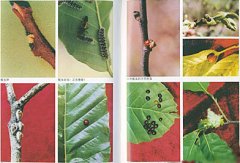
Common Diseases and pests in Coffee cultivation and Prevention and Coffee basic knowledge
(1) Pest control 1. Coffee tiger longicorn beetles are distributed in all coffee producing areas in the world, and also occur in Yunnan, Guangxi and Hainan Island in China. It is one of the major pests of coffee. The coffee tiger longicorn beetle harms the coffee trunk for more than 2 years. At first, it eats between the cambium and xylem, and then eats the xylem. The victim was a curved tunnel filled with sawdust.
2015-10-07 Coffee planting common diseases and insect pests control methods basics common sense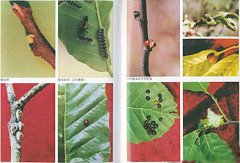
Common Coffee Diseases and pests in Coffee cultivation and Control methods
It is distributed in all coffee producing areas in the world, and it also occurs in Yunnan, Guangxi and Hainan Island in China. It is one of the major pests of coffee. Coffee longicorn beetles, which damage the coffee trunk by larvae for more than 2 years, initially eat between the cambium and xylem, and then eat (1) pest control. 1. Coffee tiger longicorn beetles are distributed in all coffee producing areas in the world. Yunnan, Guangxi and Hainan, China
2015-02-16 Coffee common sense planting common diseases and insect pests prevention and control methods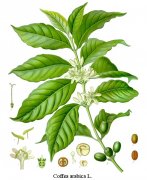
Coffee cultivation techniques detailed explanation of planting knowledge of Coffee trees
Coffee, cocoa and tea are called the three major beverages in the world, and their output, consumption and output value all rank first. In addition to being used as a beverage, coffee can also extract caffeine and coffee oil; in medicine, it can be used as an anesthetic, stimulant and diuretic cardiotonic agent. Coffee pulp can be used to make wine, vinegar, pectin and molasses; dried pulp can be used as animal feed; dried fruit shell can be used as fertilizer and burning
2015-02-16 Coffee cultivation techniques planting knowledge detailed explanation