“water vapor” search results (500)

Basic knowledge of how to buy coffee pots and beans
Now the coffee pots on the market are all drip-type, and they are divided into Japanese style, American style and Italian style. The Japanese coffee maker, also known as the siphon pot, has an alcohol lamp on the base and two glass balls on it. It heats the water from the lower glass ball to produce water vapor, pushes the hot water from the lower sphere to the upper pot, and then sucks back the coffee extracted from the upper glass ball after the lower pot cools. Cooked in a Japanese coffee pot
2015-09-25 How to buy coffee maker coffee beans coffee basics common sense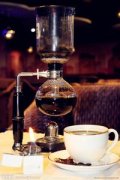
Coffee making skills homemade coffee analysis: siphon pot
Siphon pot (Syphon), commonly known as "glass ball" or "siphon", is a simple and easy-to-use method of coffee brewing, and it is also one of the most popular coffee brewing methods in cafes. Although the siphon pot has the nickname of "plug wind type", it has nothing to do with the siphon principle, but uses water heating to produce water vapor, resulting in thermal expansion and cold contraction principle, push the hot water from the lower sphere to the upper pot, and then wait for the lower pot to cool.
2015-04-17 Coffee making skill homemade parsing siphon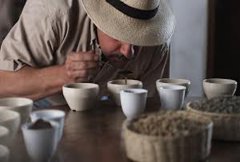
Coffee common sense SCAA coffee cup testing process
1. Fragrance: the first step in cup evaluation is to evaluate the aroma of coffee beans. Grind 10 grams of coffee, put it in 3-5 sample cups, and then breathe hard at the gas released by the freshly crushed coffee cells. The characteristics of the aroma indicate the essence of the taste of coffee beans: the sweet smell indicates that its taste is sour; the pungent smell indicates that its taste is irritating. The power of aroma
2014-09-23 Coffee knowledge SCAA coffee common sense coffee cup test
Six steps of coffee cup evaluation
There are six steps in coffee cup evaluation, describing the aroma, aroma, taste, smell, aftertaste and mellowness of coffee. 1. Fragrance: the first step in cup evaluation is to evaluate the aroma of coffee beans. Grind 10 grams of coffee, put it in 3-5 sample cups, and then breathe hard at the gas released by the freshly crushed coffee cells. The characteristics of the aroma indicate the essence of the taste of coffee beans:
2015-01-06 Boutique coffee tasting coffee cup step six steps description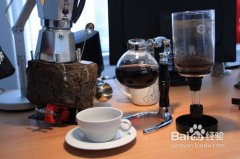
How to use a siphon coffee pot to make coffee
Siphon pot (Syphon), commonly known as "glass ball" or "siphon", is a simple and easy-to-use method of coffee brewing, and it is also one of the most popular coffee brewing methods in cafes. Although the siphon pot has the nickname of "plug wind type", it has nothing to do with the siphon principle, but uses water heating to produce water vapor, resulting in thermal expansion and cold contraction principle, push the hot water from the lower sphere to the upper pot, and then wait for the lower pot to cool.
2015-11-07 How to use siphon coffee maker coffee
Six Steps to Coffee Cup Evaluation
Coffee cup evaluation has six steps, describing coffee aroma, aroma, taste, smell, aftertaste and alcohol. Image: ab3a6c70gw1e5uo4ma2xzj20gj0a9gnf.jpg 1. Fragrance: The first step in cup evaluation is to evaluate the aroma of coffee beans. Grind 10 grams of coffee, place in 3 to 5 sample cups, and sniff vigorously the coffee released by the freshly ground coffee cells
2014-08-30 Tasting coffee cups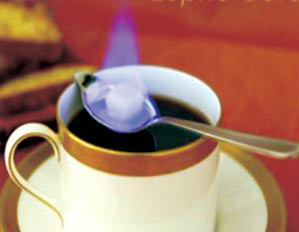
Soft acidity of Yega Chefevoca Coffee Flavor description method of Grinding method Manor introduction
Yejia Xuefei, nearly 2,000 meters above sea level, is one of the highest coffee producing areas in the world. Here has been a wetland since ancient times, Yirga means to settle down, Cheffe means wetland, Lake Turkana, Lake Abaya, Lake Chamo bring rich water vapor here. The rift valley, represented by Misty valley, is foggy all the year round, like spring all the year round, with a gentle breeze.
2016-10-06 Soft Fruit Acid Yega Sheffield Wauka Coffee Flavor description Grinding treatment
How to choose coffee pot and coffee beans how to choose coffee beans
Now the coffee pots on the market are all drip-type, and they are divided into Japanese style, American style and Italian style. The Japanese coffee maker, also known as the siphon pot, has an alcohol lamp on the base and two glass balls on it. It heats the water from the lower glass ball to produce water vapor, pushes the hot water from the lower sphere to the upper pot, and then sucks back the coffee extracted from the upper glass ball after the lower pot cools. Cooked in a Japanese coffee pot
2015-08-19 How to buy coffee pot coffee beans choose
Coffee tasting, coffee cup evaluation, six steps
There are six steps in coffee cup evaluation, describing the aroma, aroma, taste, smell, aftertaste and mellowness of coffee. 1. Fragrance: the first step in cup evaluation is to evaluate the aroma of coffee beans. Grind 10 grams of coffee, put it in 3-5 sample cups, and then breathe hard at the gas released by the freshly crushed coffee cells. The characteristics of the aroma indicate the essence of the taste of coffee beans:
2014-09-19 Coffee knowledge coffee tasting coffee cup testing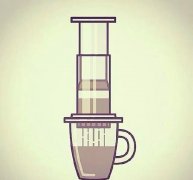
You should understand coffee culture and history. Baristas must know common sense.
When the filter coffee maker was invented in 1889, when the Bavarian army was in a difficult time, the Duke of Rumford devoted himself to the research and invented a coffee making tool that could be recycled indefinitely. How it works is that when it comes into contact with a heat source and reaches a high temperature, the pressure caused by water vapor allows water and coffee to circulate. The one used in the filter coffee maker
2015-09-18 Should understand coffee culture history coffee Shibi common sense 1889 Guo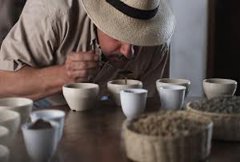
SCAA Coffee Cup testing process introduction to Fine Coffee
1. Fragrance: the first step in cup evaluation is to evaluate the aroma of coffee beans. Grind 10 grams of coffee, put it in 3-5 sample cups, and then breathe hard at the gas released by the freshly crushed coffee cells. The characteristics of the aroma indicate the essence of the taste of coffee beans: the sweet smell indicates that its taste is sour; the pungent smell indicates that its taste is irritating. The power of aroma
2015-09-01 SCAA coffee cup process boutique coffee entry basics aroma Fra
The basic knowledge of hand-brewing coffee the cooking method of siphon pot
Siphon pot, commonly known as "glass ball" or "siphon", is a simple and easy-to-use method of coffee brewing, and it is also one of the most popular coffee brewing methods in cafes. Although the siphon pot has the nickname of "plug wind type", it has nothing to do with the siphon principle, but uses water heating to produce water vapor, resulting in hot expansion and cold contraction principle, push the hot water from the lower sphere to the upper pot, and then put the upper pot after the lower pot cools.
2014-11-24 Coffee knowledge hand coffee siphon pot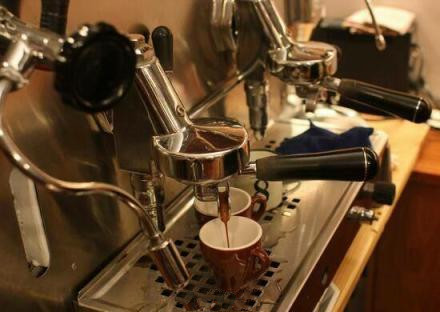
Six steps of coffee tasting General knowledge of fine coffee
Coffee tasting has six steps to describe the aroma, aroma, taste, smell, aftertaste and mellowness of coffee. 1. Fragrance: the first step in tasting is to evaluate the aroma of coffee beans. Grind 8.25 grams of coffee, put it in 3-5 sample cups, and then breathe hard at the gas released by the freshly crushed coffee cells. The characteristics of the aroma indicate the taste of coffee beans.
2015-04-08 Coffee tasting six steps boutique common sense coffee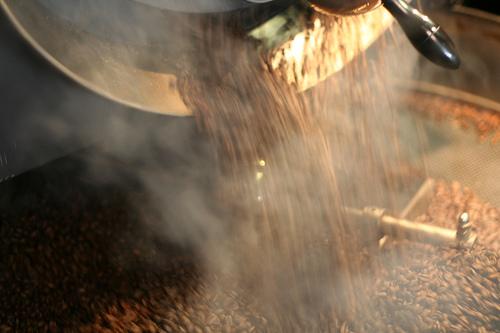
The change and degree of roasting process the flavor characteristics of roasting degree of coffee beans on the comparison table
The five stages of baking: 1. Dry, when the raw bean is heated, the water vapor in the raw bean will evaporate, and when it reaches about 135 degrees, the raw bean begins to lighten from green and gradually whitens. two。 Dehydration, as heating, raw beans from green to light yellow, when the temperature is about 160 degrees, will emit the smell of grass, or the aroma of baked grain, continuous heating, beans will turn light brown. 3. one
2016-01-22 Roasting process change degree Division Coffee beans comparison Table Flavor characteristics Baking
Where did decaf come from?
Caffeine is a xanthine alkaloid, a central nervous system stimulant that temporarily repels drowsiness and restores energy. Caffeinated coffee, tea, soft drinks and energy drinks sell very well, so caffeine is also the most commonly used psychotropic drug in the world. In North America, 90% of adults use caffeine every day. Many natural sources of caffeine also contain
2016-05-23 Caffeine coffee how caffeine a kind of xanthine alkaloids compounds medium
How to choose the coffee pot and the purity of coffee beans is also another consideration.
Now the coffee pots on the market are all drip-type, and they are divided into Japanese style, American style and Italian style. The Japanese coffee maker, also known as the siphon pot, has an alcohol lamp on the base and two glass balls on it. It heats the water from the lower glass ball to produce water vapor, pushes the hot water from the lower sphere to the upper pot, and then sucks back the coffee extracted from the upper glass ball after the lower pot cools. Cooked in a Japanese coffee pot
2015-10-06 How to choose and buy coffee pot coffee beans purity is also another consideration factor
How to choose and buy coffee pot and freshness of coffee beans are important factors affecting quality.
Now the coffee pots on the market are all drip-type, and they are divided into Japanese style, American style and Italian style. The Japanese coffee maker, also known as the siphon pot, has an alcohol lamp on the base and two glass balls on it. It heats the water from the lower glass ball to produce water vapor, pushes the hot water from the lower sphere to the upper pot, and then sucks back the coffee extracted from the upper glass ball after the lower pot cools. Cooked in a Japanese coffee pot
2015-09-25 How to choose and buy coffee pot coffee beans freshness all influence quality important
Rich and fruity Ethiopian Yega Sheffield Woka Coffee Flavor Taste Manor Introduction
Yega Shefi, nearly two kilometers above sea level, is one of the highest coffee-producing areas in the world. It has been a wetland since ancient times, Yirga means settled, Cheffe means wetland, and Lake Turkana, Lake Abaya and Lake Chamo bring abundant water vapor here. In the rift valley represented by Misty Valley, fog permeates all year round, spring is like all the year round, and the breeze is gentle.
2016-09-12 rich charming fragrant ethiopian yega sherry woka coffee flavor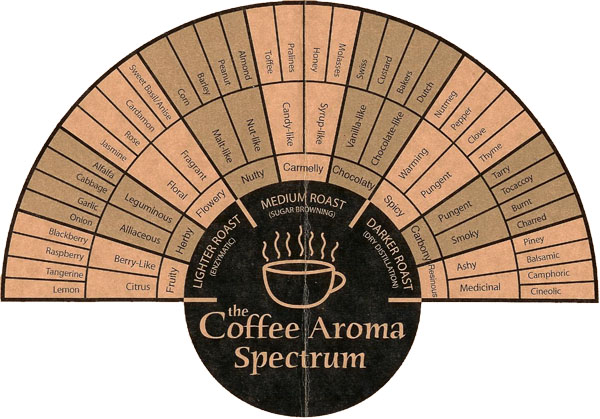
SCAA coffee cup testing process Coffee Flavor Coffee aroma, aroma, taste and aftertaste introduction
1. Fragrance: the first step in cup evaluation is to evaluate the aroma of coffee beans. Grind 10 grams of coffee, put it in 3-5 sample cups, and then breathe hard at the gas released by the freshly crushed coffee cells. The characteristics of the aroma indicate the essence of the taste of coffee beans: the sweet smell indicates that its taste is sour; the pungent smell indicates that its taste is irritating. The power of aroma
2016-01-15 SCAA coffee cup process coffee flavor aroma taste aftertaste
Taste of Hawaiian Kona Coffee with suitable Climate introduction Fine Coffee beans Hawaiian Coffee beans
Kona coffee, Arabica, beautiful appearance, average neat bean shape, clear taste, medium mellow, slightly sour taste, strong aroma and long aftertaste. Kona coffee is divided into four grades, namely Extra Fancy, Fancy, Prime and Gr.No.1. Due to the low output and high production cost, the price of Kona in the market is catching up with the increasing demand for fine coffee.
2016-07-28 Climate suitable Hawaii Kona coffee flavor taste introduction boutique