“washing treatment” search results (2000)
The treatment method of Coffee Fruit-- the introduction of Water washing method and the difference between Water washing method and Solar method
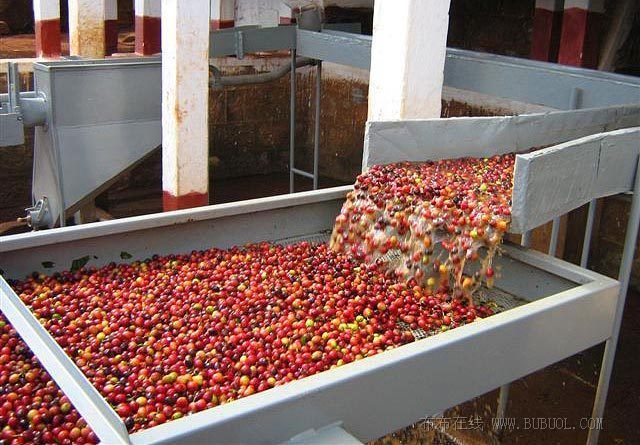
When the coffee fruit is harvested from the mountain, the next step is to remove the peel and pulp of the coffee beans. There are two main ways of treatment: washing and solarization. But the ultimate determining factor is whether there is enough water to use. Some special boutique coffees are both insolated and washed. Washing requires the use of special machinery and equipment and adequate water sources.
2016-01-11 Coffee fruit treatment method washing introduction and sun difference explanation
Lively sour Sidamo Gucci Coffee Flavor description treatment characteristics of Grinding degree introduction to varieties
The greatest advantage of Sidamo coffee beans is that the soil fertility is maintained through the circulation of organic matter, using the withered leaves of surrounding trees or plant roots as fertilizer. Therefore, the coffee produced in cities and towns has obvious differences and characteristics. In 2010-2012, it continuously obtained the high score of CR92~94, the authoritative coffee evaluation website in the United States. Thus it can be seen that the raw beans in this producing area
2016-10-20 Lively sour dharma ancient geisha coffee flavor description treatment grinding characteristics
The processing method in coffee beans what is the Italian processing process and the special characteristics of the finished product flavor description?
Coffee treatment: let's analyze each raw bean treatment method one by one: 1. The process of natural solarization (Natural/Dried-in-the-Fruit) is the simplest. The fruit begins the process of sun drying without treatment after picking. This is the oldest method of treatment in existence. This method is still used in places such as Ethiopia and Brazil. Natural day
2016-10-19 Coffee beans medium processing solarization what is it Italian style process finished product wind
How many varieties of Panamanian boutique coffee and traditional treatment methods are introduced for washing
There are many varieties of Panamanian boutique coffee, such as Geisha, Typica, Bourbon, Caturra, Catuai and San Ramon. The traditional way of treatment is washing, however, with the challenge spirit of the local coffee industry, and through unremitting efforts, the high-quality flavor of dry and honey treatment has also begun to refresh the taste buds of coffee customers to experience the main coffee producing areas of Chiriqui province.
2016-06-17 Panama boutique coffee how many variety tradition treatment way washing introduction
Treatment of Coffee Fruit and Coffee beans
When the coffee fruit is harvested from the mountain, the next step is to remove the peel and pulp of the coffee beans. There are two main ways of treatment: washing and solarization. But the ultimate determining factor is whether there is enough water to use. Some special boutique coffees are both insolated and washed. Washing requires the use of special machinery and equipment and adequate water sources.
2015-04-16 Coffee fruit coffee beans treatment washing
Brief introduction of Coffee Bean Raw Bean treatment
Washing method: 1, select beans: put the harvested fruit in a water tank and soak for about 24 hours. At this time, ripe fruit will sink, while immature and overripe fruit will float up and can be removed. 2. Remove the pulp: use a machine to remove the skin and pulp, leaving only the coffee beans wrapped in the endocarp. At this time, there is a layer of mucous membrane on the outside of the beans, and the process of washing is
2014-09-23 Coffee knowledge coffee bean treatment washing method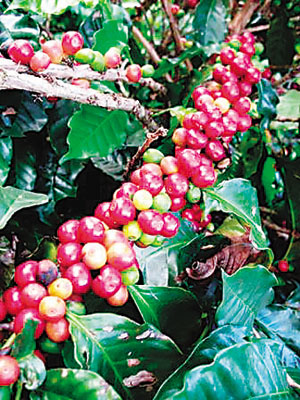
W2, H2, N2 treatment of traditional raw bean treatment
W2, H2, N2: it can be understood as the traditional way of processing raw beans, and 90 + also regards them as the distinction of taste. Ninety Plus thought that coffee itself is a kind of fruit, so he made his own exclusive treatment according to taste (W2), (H2), and (N2). When you understand traditional coffee processing, you will find that a small amount of adjustment can blur the distinction between them. For example, in
2016-07-14 Tradition raw beans treatment way ninety taste distinction can understand tradition
Which country has the best coffee? Top ten coffee producing countries
Coffee is one of the most popular drinks in the world. Due to different countries exporting coffee, the quality, taste and taste of coffee vary from country to country. Top 10 countries with best coffee: Peru Peru is a South American country, thanks to the coffee grown in Peru
2023-04-08 Which Country Coffee Good Country of Origin Top Ten Ranking World Hot
What is the difference in the taste of exactly the same coffee beans between washing and tanning?
Tanning is a traditional method for the initial processing of coffee beans, and at present, almost all coffee-growing countries such as Ethiopia and Yemen still use solarization to treat raw beans. Sun treatment will first identify sunken beans in the sink, that is, ripe or half-ripe beans are spread in the drying farm for natural drying. The specific time depends on the local climatic conditions, which usually takes two to four weeks.
2016-04-25 Completely similarly coffee beans water washing treatment sun taste there will be how
Explanation of the washing method for the primary processing of coffee beans
Washing is the most popular and widely used method of raw bean treatment at present, and most of the boutique coffee beans will choose the washing method. In South America, all countries except Brazil choose to wash raw beans. Washing is the most scientific and technological method among all the treatment methods, and multiple screening is used to ensure the uniformity and stability of coffee bean quality. First of all, still
2014-10-09 Coffee knowledge coffee bean processing water treatment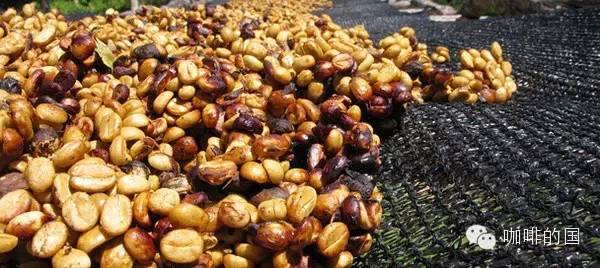
Coffee treatment what is Honey treatment Niagara Jim Molina Manor Honey treatment Red bourbon Fine products
The so-called honey treatment (Miel Process in Spanish) refers to the process of making raw beans by sun-drying with mucous membranes. After the outer pulp of the coffee bean is removed, there will be a layer of sticky jelly. The traditional method of washing is to wash it off with clean water, but because of the limitation of water resources in some high-altitude areas, there is this way of direct drying. Honey treatment process capacity
2016-03-30 Coffee processing what Nicaragua Jim Molly Manor Hongbo other seed essence
Coffee bean origin coffee bean planting environment
The process of natural solarization is the simplest. The fruit begins the process of sun drying without treatment after picking. This is the oldest method of treatment in existence. This method is still used in places such as Ethiopia and Brazil. Natural solarization is most common in areas where water resources are scarce. The drying process usually lasts about 4 weeks. The way to deal with it must be very
2016-05-29 Coffee beans origin planting environment nature sun this kind of treatment method process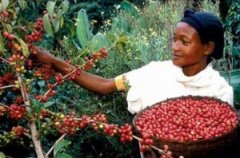
The birth of coffee beans (2) the methods of coffee bean treatment
Coffee bean processing when the hard bean farmers, will be ripe bright red coffee "cherry" pick down, coffee beans magical adventure will be launched. To convert a coffee fruit into a raw coffee bean, the peel and pulp of the coffee fruit need to be removed, leaving seeds or beans, and drying. This refining process usually has two main processing methods: washing (wet method) and drying.
2015-10-12 Coffee beans birth coffee beans treatment methods processing Dangxin bitter
Introduction to Lazmus Manor in Columbia Coffee Manor
Manor: Laminita Model Life country of Origin: Colombia Colombia: Nano Narino Variety: Borbon,Caturra,Typica altitude: 1600-2200Meters treatment: washed Washed Flavor description: fruit bright, caramel sweet, cocoa finish, greasy manor: small farmer batch Tolima 1983 country of origin: Colombia Colomb
2016-07-12 Sweet lasting Columbia Coffee Manor producing area introduction Raz Moss Zhuang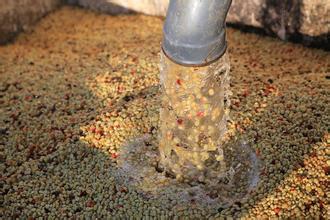
The treatment method of Coffee Bean-- the method of washing Coffee Bean
Dry treatment (secado), also known as natural all-day exposure (natural). After the coffee fruit is actually picked, it is dried directly in the sun. According to the weather conditions, it is generally necessary to dry the coffee beans for 2 weeks to reduce the water content of the coffee beans to 10%, 12%, and then use a machine to remove the dried peel and pulp. The raw bean processing plant (beneficio) usually retains the parchment shell on the outside of the coffee bean when the raw bean is stored.
2016-02-27 Coffee beans processing manipulation washing detail introduction detailed explanation treatment secad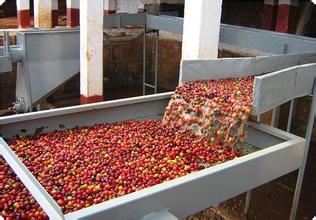
Treatment of raw coffee beans: introduction to the operation method and purpose of washing method
Washing method: 1, select beans: put the harvested fruit in a water tank and soak for about 24 hours. At this time, ripe fruit will sink, while immature and overripe fruit will float up and can be removed. 2. Remove the pulp: use a machine to remove the skin and pulp, leaving only the coffee beans wrapped in the endocarp. At this time, there is a layer of mucous membrane on the outside of the beans, and the process of washing is
2015-12-08 Coffee raw beans treatment washing operation method introduction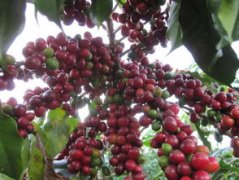
How to deal with high-quality coffee beans
There are a pair of oval seeds in the center of the fruit of the coffee tree, which are covered with exocarp, endocarp and pulp. Ripe fruits will rot in a short time without treatment, so the purpose of refining is to enable coffee beans to be preserved for a long time, easy to store and circulate. (1) Coffee fruits and fresh fruits should be treated immediately after they have been harvested. Refining is to remove the outer skin and pulp of coffee fruit.
2015-03-16 Coffee preparation boutique coffee beans how to deal with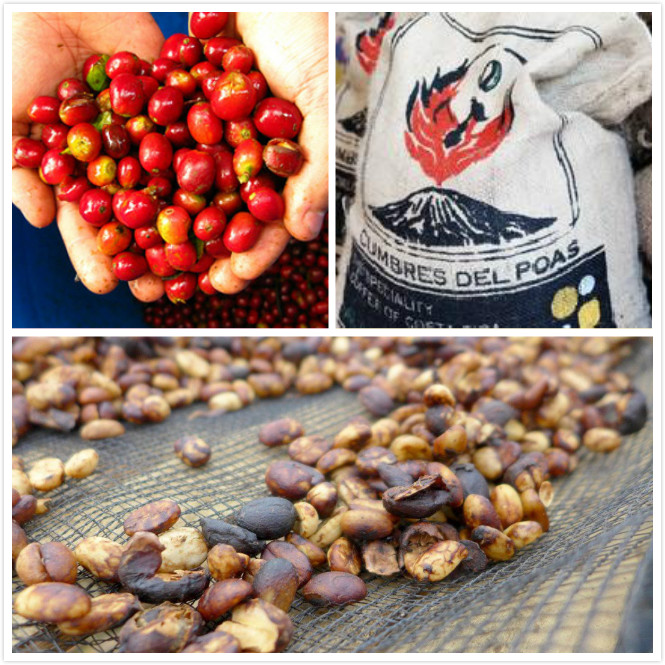
How to treat green coffee beans? Sunlight treatment Ethiopia Sunlight Ye Jia Xue Fei Ye Jia Xue Fei G1
Solarization is a traditional method of primary processing of coffee beans, and ancient coffee growing countries such as Ethiopia and Yemen still use solarization almost exclusively for raw beans. Sun-drying begins by spreading tank-identified beans, ripe or semi-ripe, on a drying ground. The exact time depends on local climatic conditions, and generally takes two weeks to four weeks.
2016-04-25 coffee green beans processing method sun ethiopia yega sherry
Elegant floral fragrance of Panama Poket Flower Butterfly Coffee Bean Baru Volcano
The famous beans in Alida Farm are also his washed beans, which taste clean and clear with a floral aroma. At present, Alida Farm tries a variety of treatment methods, including water washing treatment, sun treatment and honey-treated coffee beans. it is worth mentioning that Alida farm honey-treated coffee beans, a combination of sun treatment and water washing methods to remove the outer layer of fresh coffee berries.
2016-06-30 Elegance aroma Panama Pokui Flower Butterfly Coffee Bean Baru Volcano Li
Asian Coffee Papua New Guinea PNG Chimel Manor Grade A Water washing treatment of cooked Pearl beans
Located in the east of the Indonesian archipelago, Papua New Guinea, which is dominated by highlands, has a pattern of large manors / farms and small farmers, growing a variety of coffee varieties. The flavor of coffee in Papua New Guinea is very different from that of coffee from other Asian regions such as Indonesia, South Asia, India or the Pacific Islands; compared to Indonesian beans, which are mostly semi-washed (wet peeled).
2016-03-26 Asia Coffee Papua New Guinea PNG Mayer Manor washing treatment