“unripe” search results (685)

How to treat coffee beans
From: Eagle Health 2014-09-28 21:10:56 1. Sunning method--- Depending on the weather, it takes about two to four weeks to reduce the moisture content of the coffee beans in the fruit to 12%.
2015-11-03 coffee green beans processing method coffee beans way
The treatment method of half-sun-dried coffee and raw beans
Brazilian half-sun-natural removal of pectin: Brazil used to use the sun method in the past, the quality varies greatly, so that Brazil Yu is synonymous with middle and lower quality. However, in order to improve its quality and reverse its image, the world's largest coffee producer carried out a quality revolution in the 1990s and vigorously promoted the global half-sun method. Brazilian coffee fields are endless and are mostly harvested mechanically to conform to the classics.
2016-07-06 Sun drying coffee raw beans treatment methods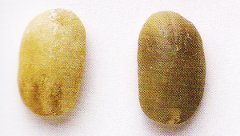
How to choose coffee beans by hand
Apples don't taste different because of size, which I agree with, but in the roasting of coffee beans, it doesn't matter if they're heated anyway. Coffee beans harvested from the same tree, regardless of size
2014-12-28 coffee beans buy basics common sense how to hand pick coffee green beans apples taste
Sun-treated Yejia Xuefei Coffee beans introduce Fine Coffee
There is a strict standard for collecting red fruits (as a result of coffee trees). Before exposure to coffee fruits, unripe green fruits or defective fruits are removed manually, and damaged or moldy fruits are removed during the sun drying process. after two weeks, the flesh sugar and essence seeped into the coffee beans, the water content was reduced to 12%, and then scraped off the hardened pulp, pectin layer and pods with a planer to remove the coffee.
2016-07-01 Tanning processing Yega Sheffield Coffee beans introduction boutique Coffee Solar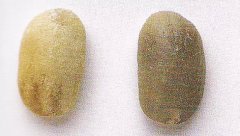
Selection methods and matters needing attention of raw coffee beans
The taste of raw beans and fruits before selection will not vary according to their size. What about coffee beans? Coffee beans harvested from the same tree, regardless of size
2015-10-10 Coffee raw beans selection methods points for attention
Bad varieties and specifications of coffee beans
Bad kinds of coffee beans fermented by falling into the soil before harvest. The moldy smell will have a great impact on the taste of coffee. Dead beans, also known as unripe beans, or affected by climatic factors, the development is not perfect. Fried spots will be produced after baking, making the coffee have a green and astringent taste. Black beans fermented beans, coffee beans that have rotted and blackened. Because it is black, it can be used with normal coffee at a glance.
2016-05-31 Coffee beans bad type specification grade editing fermentation harvest
Bad types and grade planning of coffee beans
Bad kinds of coffee beans fermented by falling into the soil before harvest. The moldy smell will have a great impact on the taste of coffee. Dead beans, also known as unripe beans, or affected by climatic factors, the development is not perfect. Fried spots will be produced after baking, making the coffee have a green and astringent taste. Black beans fermented beans, coffee beans that have rotted and blackened. Because it is black, it can be used with normal coffee at a glance.
2016-06-01 Coffee beans improved varieties categories grades planning bad species editing fermentation harvesting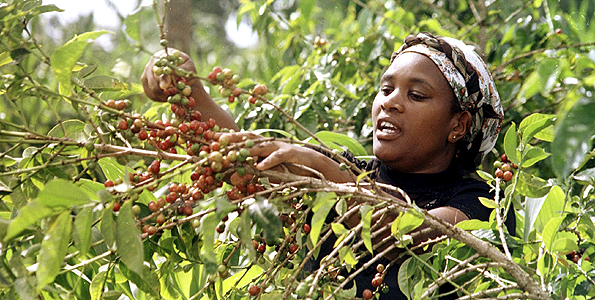
Dry water washing roasted coffee beans raw beans Ethiopian Sidamo sun treatment Lion King
The appearance of dry coffee is different from that of water-washed coffee: the water content of water-washed coffee is 12% Mel 13%, and that of dry coffee beans is 11% Mel 12%. Outwardly, the former looks darker green. Generally speaking, the raw beans with higher water content are mostly green or cyan, while those with less water content are brown or close to white. Raw beans are refined by washing.
2016-03-29 Dry washed roasted coffee beans coffee raw beans Ethiopia Dharma sun
What is the bad variety planning grade of coffee beans?
Fermented coffee beans that fall from the soil before harvest. The moldy smell will have a great impact on the taste of coffee. Dead beans, also known as unripe beans, or affected by climatic factors, the development is not perfect. Fried spots will be produced after baking, making the coffee have a green and astringent taste. Black beans fermented beans, coffee beans that have rotted and blackened. Because it is black, it can be distinguished from normal coffee beans at a glance.
2016-05-31 Coffee beans what bad varieties planning grading fermentation harvesting falling soil
What is the bad variety planning grade of coffee beans?
Fermented coffee beans that fall from the soil before harvest. The moldy smell will have a great impact on the taste of coffee. Dead beans, also known as unripe beans, or affected by climatic factors, the development is not perfect. Fried spots will be produced after baking, making the coffee have a green and astringent taste. Black beans fermented beans, coffee beans that have rotted and blackened. Because it is black, it can be distinguished from normal coffee beans at a glance.
2016-05-31 Coffee beans what bad varieties planning grading fermentation harvesting falling soil
Hand-selected coffee beans
I talked about the types of defective beans and their possible negative effects on the taste of coffee. The defective beans must be picked out before baking. This process is called the hand.
2014-09-02 Hand-selected coffee beans
Common Flavor and Taste Characteristics--Relationship between Coffee Grain Species and Flavor
Many people blame coffee astringency on baristas or roasters, thinking it is caused by improper extraction or roasting, but in fact there are many reasons for astringency. Let's analyze them one by one! The first is the raw bean part. Differences in astringency caused by variety differences. Roberta beans tend to be more astringent than arabica beans because arabica beans contain only 5.58% chlorogenic acid, while Roberta beans tend to be more astringent than arabica beans.
2016-10-18 Common Flavor Taste Characteristics Coffee Grain Type Relationship Many People
Processing of fresh coffee beans
Wet treatment requires the use of specific equipment and a large amount of water. When properly operated, it can ensure that the original quality of coffee beans is better preserved, producing homogeneous coffee beans with few bad beans. As a result, coffee beans produced in this way are generally considered to be of better quality and charge higher prices. Even after careful harvest, a certain amount of underdried and undercooked coffee
2014-09-29 Processing of fresh coffee beans
Coffee bean treatment method Honey treatment method introduction what kind of coffee bean is more suitable to use honey treatment method
Tanning has long existed in Ethiopia and Yemen. It doesn't waste much water and electricity, but it takes a lot of time and manpower to separate unripe beans from defective beans. After the coffee is picked, immediately go into the drying ground to dry. The process takes up to a month, and it must be carefully observed and constantly flipped to prevent
2016-07-14 Coffee beans treatment method introduction what comparison suitability use solarization
Recommend four ways to get raw coffee beans.
Today, I'd like to introduce the way to get beans from coffee: everyone knows citrus. Banana。 Apples and other fruits are rich in organic acids, immature fruits eat sour and astringent taste, ripe fruits taste sweet and delicious, because the organic acids of the fruit are converted into sugar. Coffee should also be picked after it is red and ripe, and the beans are more sweet. If the coffee farmer wants to save trouble, regardless of the coffee fruit
2014-09-01 Coffee knowledge coffee raw bean extraction bean extraction method coffee bean processing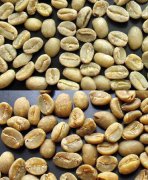
Grading of raw coffee beans
There are two ways to classify raw coffee beans, one is the filter number, and the other is the elevation. It is divided by the filter number, and the size is size in terms of the screen size. Round beans are generally smaller than flat beans, between 8-13 and 12-29. 8, 9, 10. 12, 13. 18. 29 = small, medium, ordinary. Quasi-big. Big, extra large. The bigger the size, the bigger the beans. Like SC-.
2014-07-01 Raw beans raw coffee beans coffee beans grading
Two methods for processing fresh coffee beans: wet treatment and drying
Wet treatment requires the use of specific equipment and a large amount of water. When properly operated, it can ensure that the original quality of coffee beans is better preserved, producing homogeneous coffee beans with few bad beans. As a result, coffee beans produced in this way are generally considered to be of better quality and charge higher prices. Even after careful harvest, a certain amount of underdried and undercooked coffee
2015-09-15 Coffee fresh beans processing two methods detailed explanation drying treatment requirements
Detailed explanation of two methods in the processing of Coffee fresh beans
Wet treatment requires the use of specific equipment and a large amount of water. When properly operated, it can ensure that the original quality of coffee beans is better preserved, producing homogeneous coffee beans with few bad beans. As a result, coffee beans produced in this way are generally considered to be of better quality and charge higher prices. Even after careful harvest, a certain amount of underdried and undercooked coffee
2014-11-14 Coffee knowledge coffee common sense coffee bean processing
Detailed explanation of two methods in the processing of fresh coffee beans
Wet treatment requires the use of specific equipment and a large amount of water. When properly operated, it can ensure that the original quality of coffee beans is better preserved, producing homogeneous coffee beans with few bad beans. As a result, coffee beans produced in this way are generally considered to be of better quality and charge higher prices. Even after careful harvest, a certain amount of underdried and undercooked coffee
2014-07-09 Coffee fresh beans coffee bean processing
Detailed explanation of two methods in the processing of raw coffee beans
Wet treatment requires the use of specific equipment and a large amount of water. When properly operated, it can ensure that the original quality of coffee beans is better preserved, producing homogeneous coffee beans with few bad beans. As a result, coffee beans produced in this way are generally considered to be of better quality and charge higher prices. Even after careful harvest, a certain amount of underdried and undercooked coffee
2014-09-01 Coffee knowledge coffee bean treatment wet treatment drying method