“uncooked” search results (151)

Panamanian coffee bean price what is the area of Panamanian Rosa coffee bean and Guatemala Rosa coffee bean?
In 1931, he obscure exported Kenya from Geisha Mountain Mountain in southwestern Ethiopia to Tanzania and Costa Rica, then transplanted to Panama in the 1960s, and then went through nearly half a century before he became a blockbuster, defeating the victorious armies such as Bourbon, Kaddura, Kaduai, Tibica and so on, winning 2005 in one breath.
2016-05-04 Panama coffee beans price Rosa Guatemala what area 1931 Mo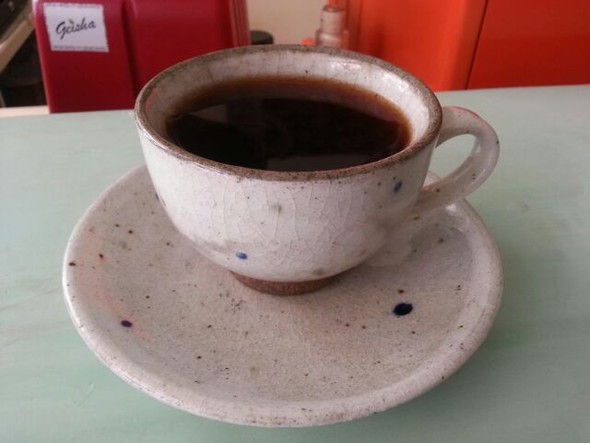
The New King of Fine Coffee-- A brief introduction to the Historical characteristics of Rosa Coffee
1 the species of Geisha was discovered in the rose forest of Ethiopia in 1931 and sent to the Coffee Research Institute in Kenya, introduced to Uganda and Tanzania in 1936, introduced to Costa Rica in 1953, and Panama was introduced by Francesca from Dongba Seven Farm Garden in the 1970s. Mr. Serraxin got the seeds from CATIE, Costa Rica, and began to grow Rosa Coffee.
2016-03-08 Boutique Coffee medium New King King Rose Summer introduction History characteristics varieties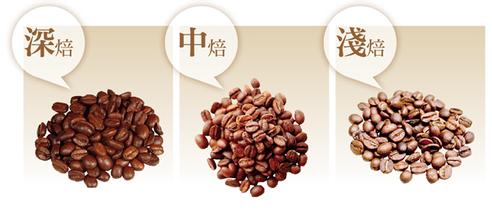
Coffee roaster Coffee Roaster principle and types of coffeeroaster coffee roaster
The principle and type of coffee roaster CoffeeRoaster [Guide] the manufacturing principle of commercial roaster is mainly divided into three types: direct fire type, semi-hot type, hot air type. At present, the latter two kinds of roasting are the best and are the mainstream in the selected coffee market. Commercial roaster the manufacturing principle of commercial roaster is mainly divided into three types: direct fire type, semi-hot type and hot air type. At present,
2016-04-12 Coffee roaster coffeeroaster principle type
A brief introduction to the characteristics of Rosa Coffee characteristics of Panamanian coffee beans
The species of Geisha was discovered in the Rose Summer Forest of Ethiopia in 1931 and sent to the Coffee Institute in Kenya; it was introduced to Uganda and Tanzania in 1936, in Costa Rica in 1953, and Panama was introduced in the 1970s by Francesca of Dongba Seven Farm Garden. Mr. Serraxin got the seeds from CATIE in Costa Rica and started growing Rosa Coffee because
2016-05-04 Boutique Rose Summer Coffee profile characteristics Panama Coffee beans G
Fine Rose Summer Coffee Rose Summer Coffee Bean Rose Summer Coffee Price Delicious Death Wish Coffee
The species Geisha was discovered in 1931 in Ethiopia's Guisha Forest and sent to the Coffee Institute in Kenya; introduced to Uganda and Tanzania in 1936, Costa Rica in 1953, Panama in the 1970s by Francesco de la Domba Seven Farm. Mr. Serrazin got seeds from CATIE in Costa Rica and started growing summer coffee, because
2016-05-04 Fine Rose Summer Coffee Coffee Bean Price Delicious Death Wish Ge
The principle and types of coffee roasters are divided into commercial roasters and household roasters.
First, commercial baking machine The manufacturing principle of commercial baking machine is mainly divided into three categories: direct fire type, semi-hot type, hot air type. At present, the latter two roasts have the best effect and are the mainstream in the specialty coffee market. 1, direct fire type The earliest baking tools used by humans are direct fire type, that is, the hot roller is baked with fire, and then the heat is transferred to the raw beans in the barrel. Although, the motor keeps turning the drum, turning
2015-10-27 Coffee Roaster Principle Type Division Commercial Household System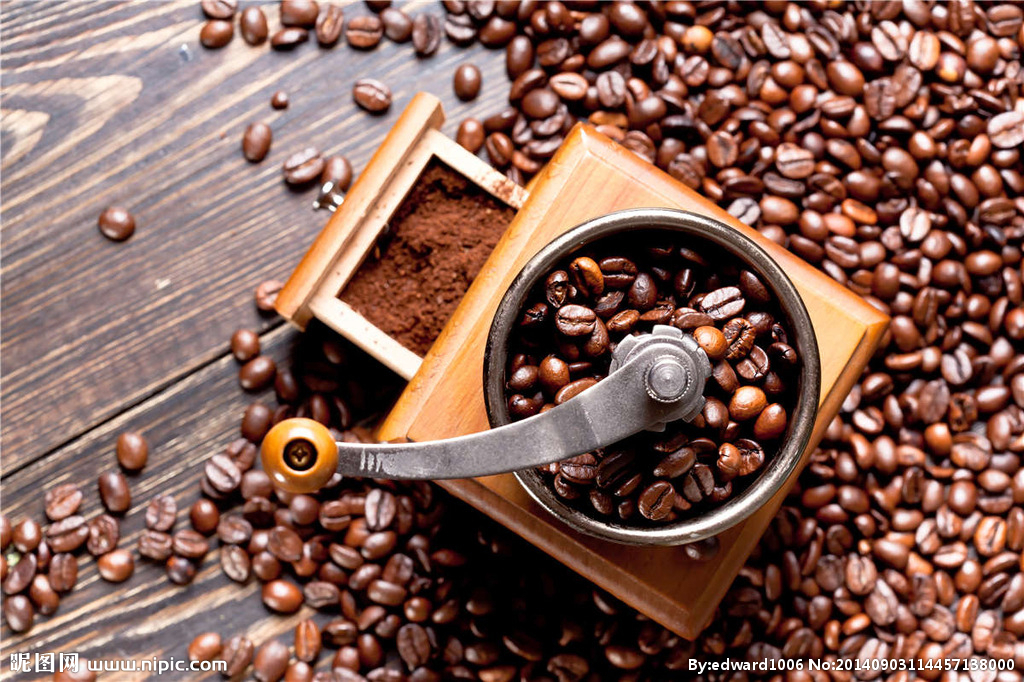
Panamanian coffee bean Panama Rosa coffee bean Guatemala Rosa coffee bean coffee bean flavor
The species of Geisha, the editor of Rose Summer Coffee, was discovered in the Rose Summer Forest of Ethiopia in 1931 and sent to the Coffee Research Institute in Kenya; it was introduced to Uganda and Tanzania in 1936, in Costa Rica in 1953, and Panama was introduced by Franco Seven Farm Garden in Dongba in the 1970s. Mr. Serraxin got the seeds from CATIE in Costa Rica and began to plant them.
2016-03-15 Panama Coffee beans Rosa Guatemala Flavor Coffee Editor Ge
Characteristics of exquisite Rosa Coffee introduction of exquisite Rosa Coffee
The species of Geisha, the editor of Rose Summer Coffee, was discovered in the Rose Summer Forest of Ethiopia in 1931 and sent to the Coffee Research Institute in Kenya; it was introduced to Uganda and Tanzania in 1936, in Costa Rica in 1953, and Panama was introduced by Franco Seven Farm Garden in Dongba in the 1970s. Mr. Serraxin got the seeds from CATIE in Costa Rica and began to plant them.
2016-05-03 Exquisite Rose Summer Coffee Features introduction Editor Geisha
Standard of SCAA pecialty Coffee Fine Coffee Raw Bean
[SCAA "Specialty Coffee" standard for high-quality coffee raw beans] the raw bean defects of SCAA can be divided into two types: I and II. The requirement for premium coffee grade (specialty coffee) is: 1. There are no class I defects; 2. No more than 5 II class defects 3. There can be no "quaker" (0 quaker) Quick beans in cooked coffee beans. 4. The appearance of raw coffee beans
2015-01-08 SCAA pecialty Coffee boutique coffee raw beans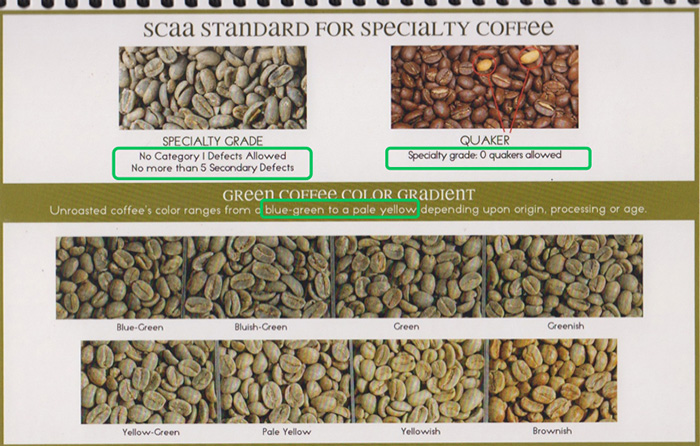
Boutique coffee beans: the standard of SCAA pecialty Coffee boutique coffee raw beans
The raw bean defects of SCAA can be divided into two types: I and II. The requirement for premium coffee grade (specialty coffee) is: 1. There are no class I defects; 2. No more than 5 II class defects 3. There can be no "quaker" (0 quaker) Quick beans in cooked coffee beans. 4. The color range of raw coffee beans is pale yellow (light yellow), yellow-green (
2015-12-08 Boutique coffee beans SCAA pecialty Coffee coffee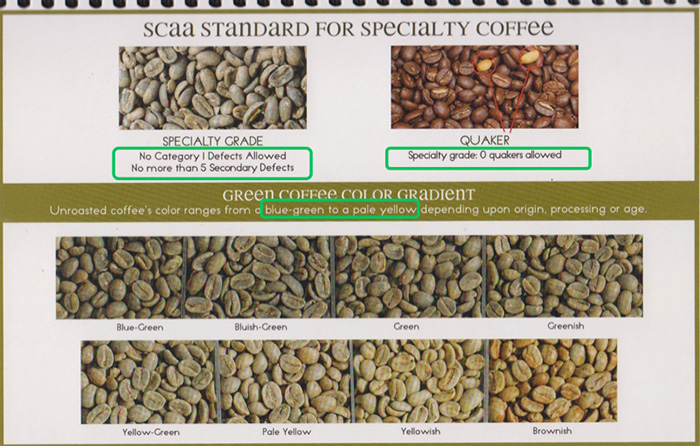
The standard of SCAA pecialty Coffee boutique coffee raw beans is necessary for a good cup of coffee.
The raw bean defects of SCAA can be divided into two types: I and II. The requirement for premium coffee grade (specialty coffee) is: 1. There are no class I defects; 2. No more than 5 II class defects 3. There can be no "quaker" (0 quaker) Quick beans in cooked coffee beans. 4. The color range of raw coffee beans is pale yellow (light yellow), yellow-green (
2015-12-05 SCAA pecialty Coffee boutique coffee raw beans