“trunk” search results (562)
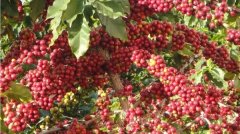
The structure of coffee trees
1. Root: coffee root is a conic root system. 2. Stem: the stem of coffee, also known as the trunk, is developed from straight branches. 3. Leaves: simple leaves opposite, green, oval to long elliptic. Flowers: flowers are white and fragrant. 5. Fruit: the fruit is a drupe, usually containing 2 seeds, as well as single and 3 seeds.
2014-08-21 Coffee knowledge coffee tree knowledge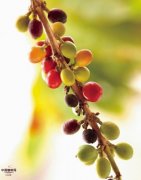
Understand the characteristics of coffee trees
1. Root: coffee root is a conic root system. 2. Stem: the stem of coffee, also known as the trunk, is developed from straight branches. 3. Leaves: simple leaves opposite, green, oval to long elliptic. Flowers: flowers are white and fragrant. 5. Fruit: the fruit is a drupe, usually containing 2 seeds, as well as single and 3 seeds.
2014-08-29 Coffee tree characteristics coffee tree coffee encyclopedia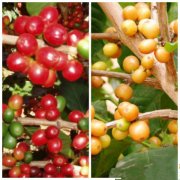
Five characteristics of coffee trees
1. Roots: Coffee roots are conical roots. 2, stem: coffee stem is also known as the trunk, is from the development of straight branches. 3, leaves: simple opposite, green, elliptic to long elliptic. 4. Flowers: white and fragrant. Fruit: The fruit is a drupe, usually containing 2 seeds, but also single and 3 seeds.
2014-09-01 coffee knowledge coffee tree coffee tree characteristics
Insect Control methods of Coffee trees in Yunnan
Small grain coffee cultivation in Yunnan Province, coffee cultivation techniques, coffee pest control.
2014-09-02 Coffee knowledge Yunnan coffee small grain coffee insect control methods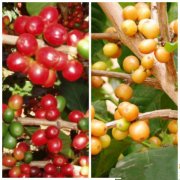
Hybrid coffee variety: Pacamara Coffee (Pacamara)
The higher the elevation, the better the quality, the hybrid with the giant bean Maragogype, a sudden variant of the Tibica species found in Brazil. The coffee tree is tall, and the branches of the trunk are wider than the Pacas species of Pacas. Pacamara coffee is a dark green leaf of Pacas Pacas (a sudden variant of the bourbon species) found in El Salvador in 1950. The edge of the leaf is wavy and cultivated.
2014-09-04 Coffee knowledge hybrid coffee varieties Pacamara coffee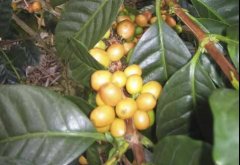
Coffee variety Pacamara (Pacamara)
Pacamara coffee is a hybrid of Pacas Pacas (a sudden variant of the bourbon species) and giant bean Maragogype (a sudden variant of the Tibica species found in Brazil) found in El Salvador in the 1950s. The coffee tree is very tall, the branch spacing of the trunk is wider than that of Pacas Pacas, and the edge of dark green leaves is wavy. It is suitable for cultivation at the elevation of 900m to 1500m.
2014-09-25 Coffee variety Pacamara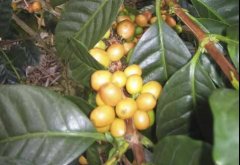
Boutique coffee bean coffee variety Pacamara
Pacamara coffee is a hybrid of Pacas Pacas (a sudden variant of the bourbon species) and giant bean Maragogype (a sudden variant of the Tibica species found in Brazil) found in El Salvador in the 1950s. The coffee tree is very tall, the branch spacing of the trunk is wider than that of Pacas Pacas, and the edge of dark green leaves is wavy. It is suitable for cultivation at the elevation of 900m to 1500m.
2014-09-30 Coffee knowledge boutique coffee beans coffee varieties Pacamara
Boutique coffee beans recommend Rosa coffee beans
Rosa originated from a very rare wild species in Ethiopia, and the beans may be named after this coffee bean found near the local village called Rosa. The coffee tree is tall, its leaves are slender, and it is not afraid of coffee rust. It is characterized by a wide gap between branches on the trunk. The appearance of raw beans is slender, and ripe beans have strong and rich fruit aromas. I personally feel full-bodied.
2014-10-28 Coffee knowledge boutique coffee beans rose summer coffee beans
Boutique Coffee Variety introduction Rosa (Geisha)
Rosa originated from a very rare wild species in Ethiopia, and the beans may be named after this coffee bean found near the local village called Rosa. The coffee tree is tall, its leaves are slender, and it is not afraid of coffee rust. It is characterized by a wide gap between branches on the trunk. The appearance of raw beans is slender, and ripe beans have strong and rich fruit aromas. I personally feel full-bodied.
2014-11-11 Coffee knowledge boutique coffee coffee varieties rose summer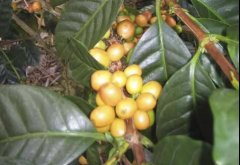
Boutique Coffee varieties about Pakamara (Pacamara)
Pacamara coffee is a hybrid of Pacas Pacas (a sudden variant of the bourbon species) and giant bean Maragogype (a sudden variant of the Tibica species found in Brazil) found in El Salvador in the 1950s. The coffee tree is very tall, the branch spacing of the trunk is wider than that of Pacas Pacas, and the edge of dark green leaves is wavy. It is suitable for cultivation at the elevation of 900m to 1500m.
2014-11-12 Coffee knowledge coffee varieties Pacamara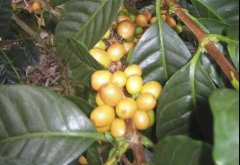
Introduction of boutique coffee varieties Pacamara (Pacamara)
Pacamara coffee is a hybrid of Pacas Pacas (a sudden variant of the bourbon species) and giant bean Maragogype (a sudden variant of the Tibica species found in Brazil) found in El Salvador in the 1950s. The coffee tree is very tall, the branch spacing of the trunk is wider than that of Pacas Pacas, and the edge of dark green leaves is wavy. It is suitable for cultivation at the elevation of 900m to 1500m.
2014-11-20 Coffee knowledge boutique coffee varieties Pacamara
Boutique coffee beans recommend Hawaiian Rosa coffee beans
Rosa originated from a very rare wild species in Ethiopia, and the beans may be named after this coffee bean found near the local village called Rosa. The coffee tree is tall, its leaves are slender, and it is not afraid of coffee rust. It is characterized by a wide gap between branches on the trunk. The appearance of raw beans is slender, and ripe beans have strong and rich fruit aromas. I personally feel full-bodied.
2014-12-15 Boutique Coffee beans recommended Hawaii Rose Summer originated in Ethiopia
Basic knowledge of boutique coffee Pacamara coffee
Pacamara coffee is a hybrid of Pacas Pacas (a sudden variant of the bourbon species) and giant bean Maragogype (a sudden variant of the Tibica species found in Brazil) found in El Salvador in the 1950s. The coffee tree is very tall, the branch spacing of the trunk is wider than that of Pacas Pacas, and the edge of dark green leaves is wavy. It is suitable for cultivation at the elevation of 900m to 1500m.
2014-12-19 Boutique coffee basics common sense Paka Mara Parka 195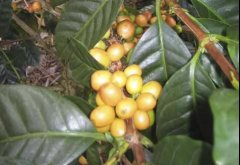
Classification of coffee varieties of coffee beans Pacamara (Pacamara)
Pacamara coffee is a hybrid of Pacas Pacas (a sudden variant of the bourbon species) and giant bean Maragogype (a sudden variant of the Tibica species found in Brazil) found in El Salvador in the 1950s. The coffee tree is very tall, the branch spacing of the trunk is wider than that of Pacas Pacas, and the edge of dark green leaves is wavy. It is suitable for cultivation at the elevation of 900m to 1500m.
2014-12-28 Coffee beans Coffee varieties Classification Parka Mara Pacamara
Characteristics of Coffee Tree planted with Fine Coffee beans
1. Root: coffee root is a conic root system. 2. Stem: the stem of coffee, also known as the trunk, is developed from straight branches. 3. Leaves: simple leaves opposite, green, oval to long elliptic. Flowers: flowers are white and fragrant. 5. Fruit: the fruit is a drupe, usually containing 2 seeds, as well as single and 3 seeds.
2015-01-16 Boutique coffee beans planting coffee characteristics cones roots stems also known as
Basic knowledge of boutique coffee beans Rosa coffee beans
Rosa originated from a very rare wild species in Ethiopia, and the beans may be named after this coffee bean found near the local village called Rosa. The coffee tree is tall, its leaves are slender, and it is not afraid of coffee rust. It is characterized by a wide gap between branches on the trunk. The appearance of raw beans is slender, and ripe beans have strong and rich fruit aromas. I personally feel full-bodied.
2015-01-17 Boutique coffee beans basics common sense rose summer originated from Ethiopia non-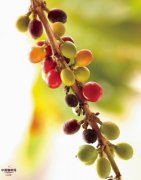
Characteristics of Coffee Tree basic knowledge of Fine Coffee
1. Root: coffee root is a conic root system. 2. Stem: the stem of coffee, also known as the trunk, is developed from straight branches. 3. Leaves: simple leaves opposite, green, oval to long elliptic. Flowers: flowers are white and fragrant. 5. Fruit: the fruit is a drupe, usually containing 2 seeds, as well as single and 3 seeds.
2015-01-29 Coffee characteristics boutique basics common sense coffee cones roots stems also known as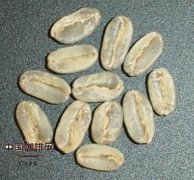
Ethiopian coffee beans rose summer coffee beans
Rosa originated from a very rare wild species in Ethiopia, and the beans may be named after this coffee bean found near the local village called Rosa. The coffee tree is tall, its leaves are slender, and it is not afraid of coffee rust. It is characterized by a wide gap between branches on the trunk. The appearance of raw beans is slender, and ripe beans have strong and rich fruit aromas. I personally feel full-bodied.
2015-01-31 Ethiopia coffee beans rose summer originated in Ethiopia very Jane
Boutique coffee beans basic Rosa coffee beans
Rosa originated from a very rare wild species in Ethiopia, and the beans may be named after this coffee bean found near the local village called Rosa. The coffee tree is tall, its leaves are slender, and it is not afraid of coffee rust. It is characterized by a wide gap between branches on the trunk. The appearance of raw beans is slender, and ripe beans have strong and rich fruit aromas. I personally feel full-bodied.
2015-03-20 Boutique coffee beans foundation rose summer originated in Ethiopia very Jane
The basic knowledge of Rosa Coffee beans
Rosa originated from a very rare wild species in Ethiopia, and the beans may be named after this coffee bean found near the local village called Rosa. The coffee tree is tall, its leaves are slender, and it is not afraid of coffee rust. It is characterized by a wide gap between branches on the trunk. The appearance of raw beans is slender, and ripe beans have strong and rich fruit aromas. I personally feel full-bodied.
2015-05-09 Rose summer coffee beans famous basic common sense rose summer originated in Ethiopia non-